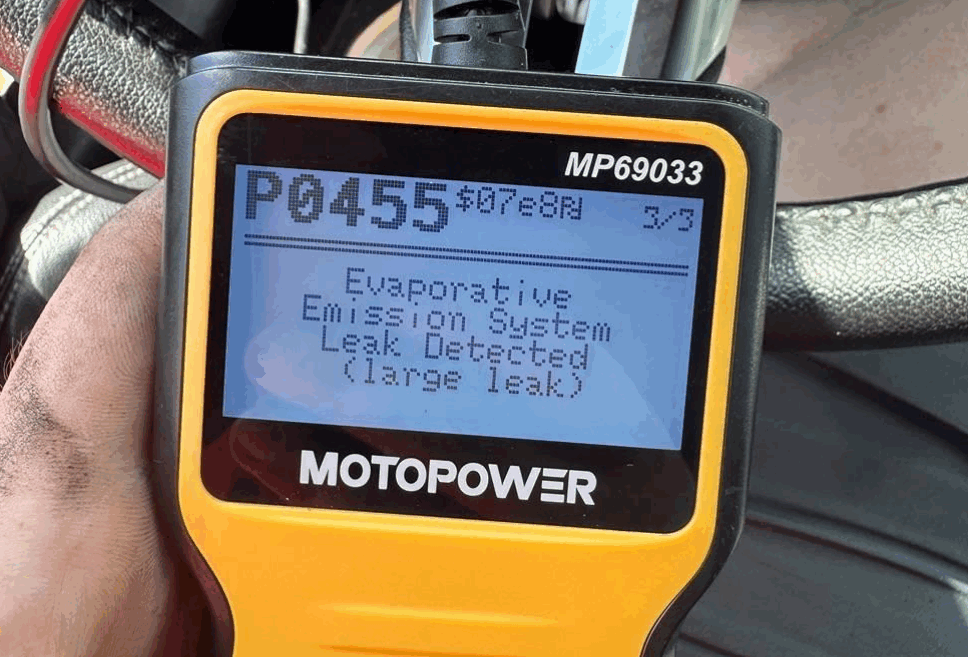
Nissan P0455 is an OBD II diagnostic trouble code that indicates the vehicle has detected a large leak in the evaporative emission control system, commonly called the EVAP system. This system prevents fuel vapors from escaping from the fuel tank into the atmosphere by containing and routing them through components such as the charcoal canister, purge valve, vent control valve, vapor lines, and fuel cap. When the engine control module detects that the EVAP system cannot maintain the expected pressure or vacuum during a self test, it can store code P0455 and turn on the Check Engine Light.
A Nissan with P0455 may continue to run normally because an EVAP leak does not always affect engine performance. However, the fault increases evaporative emissions and can cause the vehicle to fail an emissions inspection. A loose or damaged gas cap is one possible cause, but cracked EVAP hoses, leaking connections, a faulty vent control valve, a purge valve problem, or a damaged charcoal canister can also prevent the system from sealing correctly.
Diagnosing Nissan P0455 requires finding the actual source of the leak before replacing parts. This guide explains what P0455 means, how serious it is, which symptoms and causes to check, how to diagnose the EVAP system, and how to fix and verify the fault correctly.
What Does the Nissan P0455 Code Mean?
The Nissan P0455 code means the vehicle has detected a large leak in the evaporative emission control system, known as the EVAP system. The EVAP system controls fuel vapors that would otherwise escape from the fuel tank and enter the atmosphere. It uses several components to contain and manage these vapors, including the fuel cap, vapor lines, valves, and charcoal canister. When the system cannot maintain the expected pressure during its diagnostic test, the engine control system can store P0455.
The word “large” describes the size of the detected EVAP leak from the perspective of the system test. It does not necessarily mean that a large amount of gasoline is leaking from the vehicle. An EVAP leak can occur because a sealing surface is not closed correctly, a vapor hose is damaged, or an EVAP component cannot maintain the required system pressure. The code therefore identifies a system integrity problem rather than naming one specific failed part.
A Nissan P0455 diagnosis should begin with the EVAP system rather than with an assumption that the fuel cap is defective. A loose or damaged fuel cap is a common inspection point, but the actual fault can involve other EVAP components. Nissan provides model specific service information and DTC information through its technical publications, so the exact diagnostic procedure can vary by vehicle model and model year.
How Serious Is the Nissan P0455 Code?
Nissan P0455 is generally an emissions and EVAP system fault rather than a code that automatically indicates an immediate engine failure. Many vehicles with an EVAP leak can continue to operate normally because the fault affects the containment of fuel vapors rather than the basic combustion process. The Check Engine Light can remain illuminated while the vehicle shows few noticeable changes in acceleration, idle quality, or normal driving behavior.
The code still requires attention because an EVAP system that cannot maintain its required seal allows fuel vapors to escape and can cause the vehicle to fail an emissions inspection. The longer the fault remains unresolved, the more difficult it can become to determine whether the original problem was a simple sealing issue or a deeper EVAP component failure. A proper diagnosis is therefore more useful than repeatedly clearing the code.
The situation deserves more immediate attention when P0455 appears with a strong fuel odor, visible fuel leakage, difficult starting, unusual engine operation, or additional warning lights. Those symptoms can indicate a problem that requires inspection beyond the P0455 code itself. Nissan recommends using its vehicle specific service information for diagnosis because EVAP testing procedures and component configurations differ between models and model years.
Can You Drive a Nissan With a P0455 Code?
You can generally drive a Nissan with P0455 when the vehicle runs normally and there are no signs of a fuel leak or other serious fault. P0455 primarily identifies a problem with the EVAP system’s ability to contain fuel vapors. Because the EVAP system does not directly control the basic combustion process, a Nissan can continue to start, accelerate, and drive normally even while the Check Engine Light remains on.
Driving with P0455 should not become a reason to ignore the fault. An EVAP system that cannot maintain its required seal allows fuel vapors to escape and can cause an emissions inspection failure. Nissan service information also shows that P0455 can result from problems beyond the fuel filler cap, including leaking EVAP hoses, a leaking canister, a vent control valve problem, or other EVAP system faults.
Stop normal driving and inspect the vehicle promptly when P0455 appears with a strong fuel odor, visible liquid fuel, significant engine problems, or additional warning indicators. A fuel smell or visible fuel should not be treated as a normal consequence of an EVAP trouble code. Those signs require a separate inspection to determine whether a fuel system problem exists.
For a Nissan that drives normally with only the Check Engine Light illuminated, the practical priority is to schedule an EVAP diagnosis rather than repeatedly clearing the code. A technician can inspect the fuel cap and EVAP connections first, then use the model specific diagnostic procedure to locate the actual leak.
What Are the Symptoms of Nissan Code P0455?
The most common symptom of Nissan P0455 is an illuminated Check Engine Light, while some vehicles show no noticeable change in driving performance. This happens because P0455 identifies an EVAP system integrity problem rather than a direct failure of the engine’s primary air, fuel, ignition, or mechanical systems. Nissan service information describes P0455 as detection of a very large EVAP leak, with possible causes that include an improperly sealed fuel filler cap, leaking EVAP lines, a leaking canister, and valve or sensor related faults.
A Check Engine Light is the clearest warning sign because the engine control system stores the diagnostic trouble code when the EVAP monitoring test detects the fault. The vehicle may still idle normally, maintain normal acceleration, and provide normal fuel economy. The absence of obvious driving symptoms does not mean the EVAP problem has been corrected.
A fuel vapor smell can also occur when the leak allows vapors to escape from the EVAP system. The location and intensity of the odor depend on where the leak occurs. A loose fuel cap, damaged vapor hose, leaking connection, or damaged EVAP component can create different leak conditions, so the smell alone cannot identify the failed part.
A failed emissions inspection is another possible consequence of P0455. The vehicle can fail because the EVAP system is not maintaining the required vapor containment. Some drivers may therefore discover P0455 during an inspection even though the vehicle continues to drive normally.
The key point is that P0455 can exist with only one obvious symptom, the Check Engine Light. When additional symptoms appear, they provide useful diagnostic information but do not replace a proper EVAP leak test.
What Causes the Nissan P0455 Code?
Nissan P0455 has several possible causes. The main areas include the fuel cap, EVAP hoses, valves, canister, and fuel tank connections. The exact cause depends on the Nissan model and model year.
A loose or damaged fuel cap can trigger P0455. The cap seals the fuel tank opening. This seal helps the EVAP system hold pressure. A loose cap breaks that seal. A damaged seal can cause the same fault. An incorrect cap can also create an EVAP leak.
A cracked or disconnected EVAP hose can cause P0455. EVAP hoses carry fuel vapors between system components. These components include the fuel tank and charcoal canister. They also include the EVAP valves. A cracked hose lets fuel vapor escape. A disconnected hose can create a larger leak.
A faulty EVAP vent control valve can also cause P0455. The vent valve controls airflow through the EVAP system. It also affects the leak detection test. The system must seal during this test. A valve that fails to close can cause the test to fail.
A faulty purge control valve is another possible cause. The purge valve controls fuel vapor flow into the engine. The valve must operate correctly during EVAP testing. A valve that does not seal can affect system pressure. This fault can contribute to an EVAP leak code.
A leaking charcoal canister can cause P0455. The canister stores fuel vapors from the fuel tank. A damaged canister can release those vapors. A fuel tank connection can also leak. The same applies to other EVAP connections.
A faulty pressure sensor or sensor line can affect EVAP diagnosis. The control module uses pressure data during testing. Incorrect data can lead to an EVAP fault. The sensor should be checked when a leak is not found.
P0455 does not identify one specific failed part. The code indicates a large EVAP leak. The actual fault must be located through diagnosis. Replacing the fuel cap alone may not fix the problem. A proper inspection should confirm the failed component before replacement.
How Do You Diagnose Nissan Code P0455?
Diagnosing Nissan P0455 starts with checking the fuel cap and EVAP lines. These checks can find simple leaks before deeper testing begins. Nissan service procedures also inspect the EVAP canister, hoses, valves, and related connections. The exact sequence depends on the Nissan model and model year.
First, inspect the fuel filler cap. Make sure the cap has the correct design for the vehicle. Check that it is installed correctly. Look for damage around the sealing area. Nissan procedures also check whether the cap tightens correctly. Some Nissan service manuals specify using a genuine Nissan fuel filler cap.
Next, inspect the EVAP hoses and connections. Look for cracks, loose connections, and disconnected lines. Check the lines around the fuel tank and EVAP canister. Also inspect the purge line for visible damage. A large opening can produce the P0455 fault. Nissan procedures specifically include these visual checks.
Then, check the EVAP system with the correct diagnostic equipment. Nissan service procedures can use CONSULT or a compatible scan tool. The system can provide diagnostic data and confirmation tests. Some procedures also require specific fuel level and vehicle conditions. These requirements vary by model.
If the basic checks do not find the leak, a smoke test can help locate an EVAP leak. The test introduces smoke into the sealed system. Escaping smoke can reveal the damaged hose, connection, or component. This method is useful when the leak cannot be found through visual inspection.
A correct diagnosis should identify the failed part before replacement. Do not replace the fuel cap, purge valve, or vent valve only because P0455 is present. The code identifies an EVAP leak. It does not identify the exact failed component. Nissan diagnostic procedures confirm this by testing several parts and connections in sequence.
How Do You Fix the Nissan P0455 Code?
Fixing Nissan P0455 requires repairing the EVAP leak or failed component that caused the code. The correct repair depends on the result of the diagnostic test. Nissan service procedures check the fuel filler cap, EVAP hoses, canister, valves, and related connections before identifying the repair point. The exact procedure varies by Nissan model and model year.
If the fuel filler cap is loose or damaged, tighten it correctly or replace it. Check the sealing surface before installing a replacement. The cap must create a proper seal at the fuel tank opening. A replacement cap should match the Nissan application.
If an EVAP hose is cracked or disconnected, repair the connection or replace the damaged hose. Inspect the entire affected section before completing the repair. A small crack can prevent the EVAP system from maintaining pressure. A disconnected hose can create a much larger opening.
If the EVAP vent control valve is confirmed faulty, replace the valve according to the vehicle specific service procedure. The vent valve must control airflow correctly during EVAP testing. A valve that fails to close can prevent the system from passing its leak test.
If the purge control valve is confirmed faulty, replace the valve when testing shows that it does not operate or seal correctly. The purge valve controls vapor flow from the EVAP system into the engine. Its operation must match the requirements of the Nissan EVAP system.
If the charcoal canister, fuel tank connection, or another EVAP component is leaking, repair or replace the affected component. Nissan service procedures include these areas in P0455 diagnosis. The repair should target the confirmed leak rather than the code itself.
Do not replace EVAP parts based on P0455 alone. The code identifies an EVAP leak condition. It does not identify the failed component. A proper repair follows the diagnostic result. The system should also be tested again after the repair to confirm that the leak has been resolved.
How Do You Clear Nissan P0455 After the Repair?
You can clear Nissan P0455 with an OBD II scan tool after repairing the confirmed EVAP fault. Clearing the code removes the stored diagnostic trouble code from the engine control system. It does not repair the leak. The repair must be completed before the code is cleared.
First, confirm that the EVAP problem has been repaired. Check the repaired component and its connections. Make sure the fuel cap is sealed correctly. Check that no EVAP hose remains disconnected or damaged. The repair should address the actual cause found during diagnosis.
Next, connect an OBD II scan tool to the Nissan diagnostic connector. Read the stored codes before clearing them. Record any additional codes because they may provide useful diagnostic information. Then use the scan tool’s clear function to erase the stored P0455 code.
After clearing the code, drive the Nissan under the conditions required for the EVAP monitor to run. The exact drive cycle varies by model and model year. Some Nissan service procedures specify conditions such as fuel level, engine temperature, vehicle speed, and operating time. Follow the vehicle specific service procedure when available.
Finally, check whether P0455 returns and whether the EVAP monitor completes successfully. A code that stays cleared does not always prove that the repair is complete. The vehicle’s diagnostic monitor must also verify the EVAP system.
If P0455 returns, the original leak may still exist or another EVAP fault may remain. Do not repeatedly clear the code without further diagnosis. Return to the EVAP inspection and test the system again. A smoke test can help locate a leak that was not visible during the first inspection.
How Much Does It Cost to Fix Nissan Code P0455?
The cost to fix Nissan P0455 depends on the failed EVAP component and the amount of diagnostic work required. A loose fuel cap can require little repair work. A hidden EVAP leak can require more testing and labor. The code itself does not provide enough information to determine the final repair cost.
A fuel cap problem is usually one of the simpler P0455 repairs. The repair may only require tightening or replacing the cap. The technician should still confirm that the cap seals correctly. Replacing the cap without checking the EVAP system can leave the actual leak unresolved.
An EVAP hose repair can also have a relatively simple repair path. The cost depends on the location and accessibility of the damaged hose. A visible hose near an accessible component is easier to repair. A damaged line near the fuel tank can require more labor.
A faulty purge valve or vent control valve can increase the repair cost. The final amount depends on the Nissan model, part price, and labor time. Some valves are easy to access. Others require additional component removal.
A charcoal canister, fuel tank connection, or difficult EVAP leak can require more extensive work. These repairs may involve additional diagnostic time and greater labor requirements. A smoke test can also add diagnostic cost when the leak is not visible.
The best way to estimate Nissan P0455 repair cost is to identify the failed component first. A repair estimate based only on the P0455 code is not reliable. The same code can result from a simple fuel cap problem or a more complex EVAP leak. A proper diagnosis provides the information needed for an accurate repair estimate.
Why Does Nissan P0455 Come Back After Replacing the Gas Cap?
Nissan P0455 can return after replacing the gas cap because the gas cap may not be the source of the EVAP leak. P0455 identifies a large EVAP leak. It does not identify one specific component. Nissan service procedures therefore inspect several parts when the code remains active. These parts include EVAP hoses, valves, the charcoal canister, and related connections.
A new gas cap may still fail to solve the problem when an EVAP hose is cracked or disconnected. The hose can leak vapor even when the fuel tank cap seals correctly. Inspect the hoses between the fuel tank, canister, valves, and other EVAP components. Look for cracks, loose connections, and damaged sections.
A faulty vent control valve can also cause P0455 to return. The valve controls airflow through the EVAP system. It must operate correctly during the leak detection test. A new fuel cap cannot correct a valve that does not seal or operate properly.
A purge valve or charcoal canister can also remain as the source of the fault. The purge valve controls fuel vapor flow into the engine. The charcoal canister stores fuel vapors before they are purged. A problem with either component can affect EVAP system operation.
A leak near the fuel tank or filler neck can also remain after a gas cap replacement. These areas can be harder to inspect visually. A smoke test can help locate leaks that are not obvious during a basic inspection.
Replacing the gas cap should therefore be treated as one diagnostic step, not a complete P0455 diagnosis. If the code returns, inspect the remaining EVAP system. Test the suspected components before replacing additional parts. This approach reduces unnecessary repairs and identifies the actual cause of the Nissan P0455 code.
What Other EVAP Codes Can Appear With Nissan P0455?
Nissan P0455 can appear with other EVAP diagnostic trouble codes when the vehicle detects more than one fault. Additional codes can provide useful information about the affected part of the EVAP system. The exact combination depends on the Nissan model and the fault conditions.
A related EVAP code can help narrow the diagnostic path. For example, another code may point toward a purge problem, a vent problem, or a pressure sensing issue. P0455 alone only indicates a large EVAP leak. It does not identify the exact failed component.
Additional codes should be read before they are cleared. They can provide important information about the original fault. A technician should record all stored and pending codes during the initial scan. The Nissan specific service procedure can then determine which tests should be performed.
A related code does not automatically mean that another component needs replacement. Several codes can result from one underlying EVAP problem. A single damaged hose, for example, can affect more than one EVAP test. The diagnostic process should therefore identify the root cause before parts are replaced.
Conclusion
Nissan P0455 means that the vehicle has detected a large leak in the EVAP system. The code does not identify one specific failed part. A loose fuel cap can cause the fault, but damaged hoses, EVAP valves, the charcoal canister, fuel tank connections, and other components can also create the same code.
The correct repair starts with diagnosis. Inspect the fuel cap first. Check the EVAP hoses and connections next. Test the valves and other components when the basic inspection does not find the leak. Use a smoke test when the leak is difficult to locate.
Clearing P0455 is only the final step after the EVAP fault has been repaired. The code should be cleared with an appropriate scan tool. The vehicle should then complete its required EVAP monitoring conditions. If P0455 returns, the EVAP system needs further testing.
For Nissan owners, the most important principle is simple: diagnose the leak before replacing parts. This approach identifies the actual cause, avoids unnecessary repairs, and provides a reliable path to resolving Nissan P0455.