
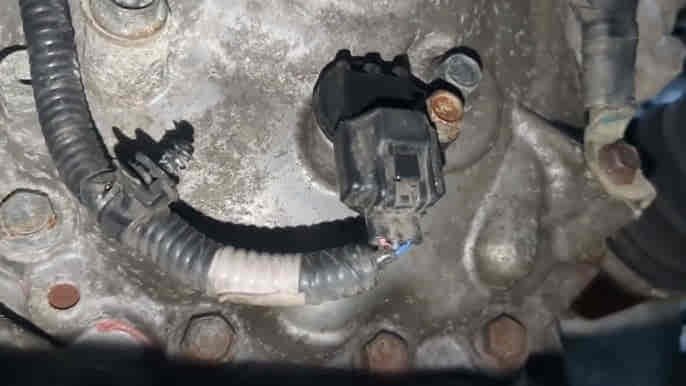
Nissan P0500 is an OBD-II diagnostic trouble code that indicates a problem with the vehicle speed signal detected by the Engine Control Module (ECM). The code appears when the ECM cannot receive a correct speed signal from the Vehicle Speed Sensor (VSS), wheel speed sensors, or related control systems that monitor vehicle movement.
There are 7 main causes of Nissan P0500 code, including a failed vehicle speed sensor, damaged wiring, faulty wheel speed sensor, ABS control module problems, transmission-related faults, ECM malfunction, and incorrect speed data caused by vehicle modifications. Each cause affects how the vehicle measures, transfers, or processes speed information before sending it to the control modules.
A Nissan vehicle with a P0500 code may experience several symptoms, such as an active Check Engine Light, inaccurate speedometer reading, unstable transmission shifting, disabled cruise control, or ABS warning lights. Replacing the speed sensor does not fix every P0500 case because the failure can come from different parts of the speed detection system.
This guide explains the top causes of Nissan P0500, how each problem occurs, and the correct repair method to restore accurate vehicle speed communication.
What Does Nissan P0500 Code Mean?
Nissan P0500 code means the Engine Control Module has detected a malfunction in the vehicle speed signal system. This diagnostic trouble code appears when the vehicle computer cannot receive, recognize, or calculate the correct speed information needed for engine management, transmission control, and other electronic systems.
The vehicle speed signal starts from sensors that monitor the rotation speed of the transmission output shaft or wheels. This information is converted into an electrical signal and sent to control modules such as the ECM, Transmission Control Module, or ABS Control Module depending on the Nissan model. When the received signal is missing, inaccurate, or outside the expected range, the system stores the P0500 trouble code and activates the Check Engine Light.
The Vehicle Speed Sensor is one of the most important components related to Nissan P0500 because it allows the vehicle to determine how fast it is moving. The ECM uses this data to control several functions, including fuel delivery, idle behavior, automatic transmission shifting, and cruise control operation. A failure in this communication process can create drivability problems even when the engine itself is still working normally.
A P0500 code does not always mean the speed sensor is damaged. The same code can appear because of electrical circuit failures, damaged connectors, ABS sensor problems, transmission speed signal issues, or communication errors between control modules. Correct diagnosis requires checking the complete speed monitoring system instead of replacing a single component immediately.
What Are the Top 7 Causes of Nissan P0500 Code?
There are 7 main causes of Nissan P0500 code: a failed Vehicle Speed Sensor, damaged electrical wiring, faulty wheel speed sensor, ABS control module failure, transmission speed signal problems, ECM malfunction, and incorrect vehicle speed calculation caused by modifications. These problems interrupt the process of collecting, transferring, and interpreting vehicle speed data.
A failed Vehicle Speed Sensor is the most common cause of Nissan P0500 because this component directly measures vehicle movement and sends speed information to the control system. The sensor creates an electrical signal based on rotational movement inside the transmission or drivetrain system. When the sensor becomes damaged because of internal failure, contamination, or normal wear, the ECM receives missing or incorrect speed information and stores the P0500 fault code.
Damaged wiring and electrical connectors can trigger Nissan P0500 by blocking communication between the speed sensor and control modules. The speed monitoring system depends on stable voltage, ground connection, and signal transfer. Broken wires, loose connectors, corrosion, and damaged terminals can interrupt the circuit even when the speed sensor itself still works correctly. This is why electrical inspection is required before replacing parts.
A faulty wheel speed sensor can create a P0500 code on Nissan vehicles that use ABS data as part of the speed calculation process. Wheel speed sensors measure individual wheel rotation and send this information to the ABS system. When one sensor provides incorrect information, the vehicle may lose accurate speed data, causing warning lights, ABS issues, or speedometer problems.
An ABS control module problem can also cause Nissan P0500 because this module manages speed information collected from wheel sensors. The ABS module processes wheel movement data before sharing it with other vehicle computers. If the module fails internally or loses communication with the ECM, the vehicle may no longer receive a reliable speed signal.
Transmission-related problems can trigger Nissan P0500 when the vehicle cannot measure output shaft speed correctly. Automatic transmissions rely on speed information to determine proper shift timing and driving conditions. A damaged transmission speed sensor or internal signal issue can cause rough shifting, delayed gear changes, and incorrect vehicle speed readings.
An ECM malfunction is a less common cause of Nissan P0500, but it can occur when the computer cannot process a correct speed signal. The ECM acts as the decision center that receives sensor data and controls vehicle functions. Software problems, internal circuit failures, or communication errors can prevent the ECM from recognizing normal speed information.
Incorrect tire size or vehicle modifications can create inaccurate speed calculations and lead to Nissan P0500 in certain situations. The vehicle control system is calibrated based on expected wheel rotation and factory specifications. Major changes in tire diameter, drivetrain components, or electronic systems can create differences between actual speed and calculated speed data.
What Are the Common Symptoms of Nissan P0500 Code?
Nissan P0500 code has 6 common symptoms: an illuminated Check Engine Light, inaccurate speedometer readings, abnormal transmission shifting, ABS warning light activation, cruise control failure, and reduced vehicle performance. These symptoms appear because multiple vehicle systems depend on accurate speed data to operate correctly.
The Check Engine Light is usually the first warning sign of a Nissan P0500 problem. The Engine Control Module continuously monitors vehicle speed signals while driving. When the ECM detects missing, unstable, or incorrect speed information beyond the programmed limit, it records the P0500 diagnostic trouble code and turns on the warning light to notify the driver.
An inaccurate or non-working speedometer is a direct symptom of vehicle speed signal failure. The speedometer needs information from the Vehicle Speed Sensor, ABS system, or related control modules to display the vehicle’s current speed. When this communication fails, the speedometer may stay at zero, move irregularly, or display a speed that does not match actual driving conditions.
Transmission shifting problems can occur because automatic transmissions use vehicle speed information to control gear changes. The Transmission Control Module compares speed data with engine load, throttle position, and driving conditions before selecting the correct gear. A missing speed signal can cause delayed shifting, harsh gear engagement, or unpredictable transmission behavior.
The ABS warning light may appear with Nissan P0500 when the problem involves wheel speed sensors or ABS communication. The Anti-lock Braking System requires accurate wheel rotation data to control braking pressure during low-traction situations. A faulty speed signal can limit ABS operation and affect other stability control features.
Cruise control failure is another possible symptom because the system needs continuous speed monitoring to maintain a selected driving speed. When the vehicle cannot verify accurate speed data, cruise control may automatically disable itself to prevent incorrect acceleration or speed adjustment.
Reduced vehicle performance can happen when the ECM receives unreliable speed information. Modern Nissan vehicles use speed data for several calculations, including fuel management, idle control, transmission response, and safety functions. Fixing the cause of P0500 restores accurate communication between these systems and allows normal vehicle operation.
How Do You Diagnose Nissan P0500 Code Correctly?
To diagnose Nissan P0500 code correctly, technicians need to inspect the complete vehicle speed signal system instead of testing only the Vehicle Speed Sensor. The diagnostic process includes reading stored trouble codes, checking sensor data, inspecting electrical circuits, and confirming communication between related control modules.
The first step is scanning the vehicle with an OBD-II diagnostic tool to confirm the P0500 code and check additional fault codes. Freeze frame data shows the vehicle conditions when the problem occurred, including speed, engine load, and operating status. This information helps identify whether the failure happened continuously or only under specific driving conditions.
The Vehicle Speed Sensor inspection confirms whether the sensor can create and transfer a proper speed signal. A technician checks the sensor condition, mounting position, electrical output, and live speed data while the wheels or transmission components are moving. A sensor that produces no signal or an unstable signal usually requires replacement.
The wiring harness and connectors must be tested because electrical failures can create the same symptoms as a damaged sensor. A complete inspection checks for broken wires, corrosion, loose connections, damaged insulation, and incorrect voltage. Repairing the circuit restores communication between the sensor and control modules when the sensor itself is still functional.
ABS system data should also be analyzed because many Nissan models use wheel speed information for vehicle speed calculations. A diagnostic scanner can compare individual wheel speed readings while the vehicle is moving. A wheel sensor that reports a different value from the other sensors indicates a possible ABS-related cause.
Transmission speed signals and control module communication need further testing if the sensor and wiring are working correctly. The ECM, TCM, and ABS module exchange information through the vehicle communication network. A failure in this data transfer can activate Nissan P0500 even when the mechanical components are not damaged.
Accurate diagnosis prevents unnecessary repairs because several different failures can create the same trouble code. Replacing the Vehicle Speed Sensor without testing the complete system may not solve Nissan P0500 if the original problem comes from wiring, ABS components, transmission sensors, or control module communication.
How Do You Fix Nissan P0500 Code?
To fix Nissan P0500 code, the damaged component that interrupts the vehicle speed signal must be repaired or replaced. The correct solution depends on whether the failure comes from the Vehicle Speed Sensor, electrical circuit, ABS system, transmission components, or control module communication.
Replacing the Vehicle Speed Sensor fixes Nissan P0500 when the sensor cannot generate an accurate speed signal. The sensor contains electronic components that detect rotational movement and convert it into information the vehicle computer can understand. A new sensor restores the missing signal and allows the ECM to calculate vehicle speed correctly.
Repairing the wiring harness is required when electrical damage prevents the speed signal from reaching the control modules. The Vehicle Speed Sensor circuit relies on a stable connection between the sensor and computer system. Damaged wires, corroded terminals, and loose connectors should be repaired before installing new components because a new sensor cannot work through a faulty circuit.
Cleaning or replacing electrical connectors can solve Nissan P0500 when poor contact affects signal quality. Moisture, dirt, and corrosion increase electrical resistance inside connectors. This interference can create unstable speed readings even when the sensor and control modules are operating normally.
Fixing ABS-related problems is necessary when the vehicle receives incorrect wheel speed information. The repair may involve replacing a faulty wheel speed sensor, repairing ABS wiring, or diagnosing the ABS control module. Restoring accurate wheel speed data allows the vehicle systems to calculate movement correctly.
Transmission-related repairs are needed when the P0500 code comes from an output speed signal problem. A faulty transmission speed sensor or related internal component can prevent the vehicle from measuring drivetrain rotation. Repairing this fault improves both speed detection and automatic shifting performance.
ECM repair or replacement should only be considered after confirming that sensors, wiring, and related systems are working correctly. Control module failures are less common than sensor and circuit problems. In some cases, software updates or reprogramming can restore normal communication without replacing the ECM.
The most effective repair method is based on diagnosis results instead of the trouble code alone. Nissan P0500 identifies a speed signal malfunction, but testing determines which component inside the system is responsible for the failure.
How Much Does It Cost to Fix Nissan P0500 Code?
The cost to fix Nissan P0500 code ranges from about $50 to over $1,000 depending on the failed component, vehicle model, labor rate, and diagnostic requirements. A simple sensor replacement is usually less expensive than repairing wiring damage, transmission-related faults, or control module problems.
Diagnostic testing is the first cost factor because the P0500 code only identifies a vehicle speed signal malfunction, not the exact damaged part. A professional inspection usually includes scanning trouble codes, checking live sensor data, testing electrical circuits, and verifying communication between modules. This process prevents replacing functional components and helps locate the real cause of the failure.
Vehicle Speed Sensor replacement is one of the most common Nissan P0500 repairs. The total cost depends on the sensor location, part price, and required labor time. Some Nissan models have easily accessible sensors, while others require more disassembly around the transmission area, increasing repair complexity.
Electrical repairs can vary widely because wiring problems are based on the location and severity of the damage. Repairing a loose connector or cleaning corrosion is usually a minor repair. Fixing damaged wiring inside a larger harness requires more labor because technicians need to trace the circuit and restore proper signal flow.
ABS system repairs increase the cost when Nissan P0500 is caused by wheel speed sensors or ABS module issues. A single faulty wheel speed sensor is generally less expensive to replace than an ABS control module. The repair must restore accurate speed communication between the wheels, ABS system, and ECM.
Transmission or ECM-related failures create the highest repair costs because they involve more complex diagnosis and specialized components. These repairs should only be performed after confirming that sensors and electrical circuits are working correctly because they are less common causes of Nissan P0500.
Read more: Nissan P1564
Can You Drive a Nissan With P0500 Code?
You can drive a Nissan with P0500 code in some situations, but the problem should be diagnosed and repaired because the vehicle may lose important speed-related functions. The severity depends on which component causes the speed signal failure and how much the fault affects other control systems.
A Nissan vehicle can continue running with a P0500 code when the engine and transmission still receive enough information for basic operation. However, the vehicle speed signal controls more than the dashboard speedometer. The ECM, transmission system, ABS system, and cruise control system use speed information to adjust vehicle behavior during different driving conditions.
Driving with an inaccurate speedometer is one of the main risks of Nissan P0500. The driver may not know the actual vehicle speed, which increases the chance of unsafe driving decisions. A missing speed signal can also prevent mileage calculation and affect systems that rely on distance and speed measurements.
Transmission performance can be affected because automatic gear changes depend on accurate vehicle speed data. The control system compares vehicle speed with engine speed and throttle input to determine shift timing. Incorrect information can lead to delayed shifting, harsh gear changes, or reduced driving smoothness.
ABS and stability-related features may not work correctly if the P0500 code comes from wheel speed sensors or ABS communication problems. These systems require accurate wheel movement data to control braking force and vehicle stability. A faulty signal can reduce their ability to respond during emergency braking or low-traction conditions.
A Nissan with P0500 should be inspected as soon as possible when warning lights appear with abnormal shifting, speedometer failure, or ABS problems. Early diagnosis helps prevent additional issues and ensures that all systems depending on vehicle speed data continue working correctly.