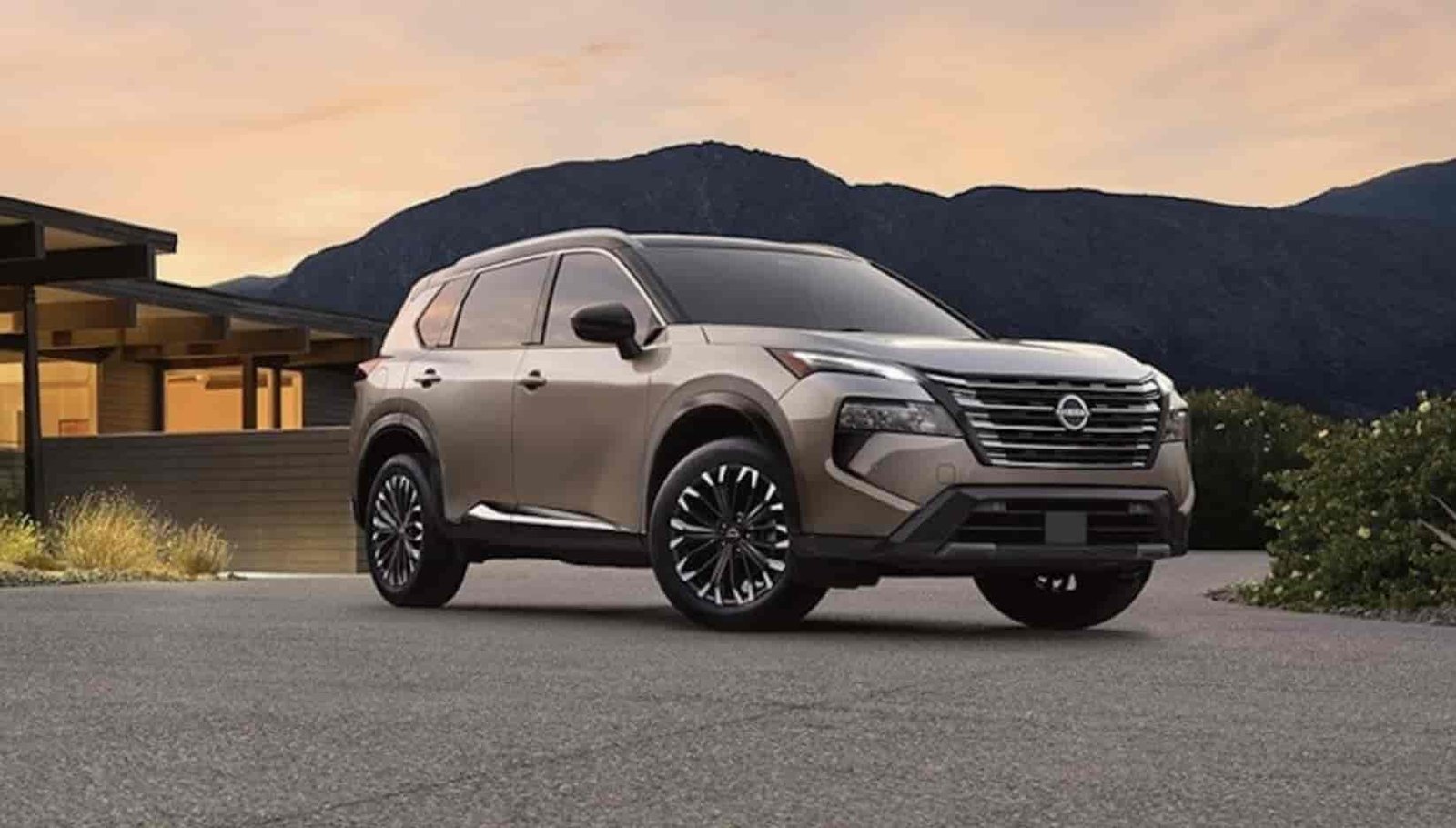
Choosing between 2026 Nissan Rogue trim packages is difficult because the differences are not limited to price. Each trim changes the technology, comfort features, driver assistance systems, and overall ownership experience. Many buyers initially compare the Nissan Rogue S, Nissan Rogue SV, Nissan Rogue SL, and Nissan Rogue Platinum by MSRP, but pricing alone rarely shows which version delivers the best value.
The 2026 Nissan Rogue continues competing in one of the most crowded SUV categories. Buyers also evaluate alternatives such as Toyota RAV4 and Honda CR-V, making feature differences increasingly important. A base model may satisfy budget-conscious shoppers, while a higher trim can add upgraded interior materials, advanced driver assistance technology, premium displays, and comfort features that affect everyday driving.
This guide compares every 2026 Nissan Rogue trim package in a practical buying format. You will see what each trim includes, what upgrades appear as you move up the lineup, how pricing changes across versions, and which model delivers the strongest value for commuters, families, and technology-focused buyers. Instead of comparing specifications individually, the goal is to identify the Nissan Rogue trim that fits how you actually drive.
What trim packages are available for the 2026 Nissan Rogue?
The 2026 Nissan Rogue lineup follows a familiar structure with multiple trim levels designed for different budgets and driving priorities. The main purpose of the trim lineup is to let buyers choose between affordability, convenience, premium comfort, and advanced technology without changing the core vehicle platform. Most buyers will encounter four primary versions: S, SV, SL, and Platinum. Each trim builds on the equipment from the previous one rather than functioning as a completely separate model.
Every Rogue trim is expected to share the same core powertrain architecture. Nissan has centered recent Rogue generations around a turbocharged VC-Turbo engine paired with a continuously variable transmission. This approach keeps fuel economy and driving behavior relatively consistent across the lineup. Instead of major performance changes, Nissan differentiates trims through feature content such as seating materials, display technology, driver assistance systems, and premium interior upgrades.
Most compact SUV shoppers also compare front-wheel drive and all-wheel drive configurations before choosing a trim. FWD models generally target fuel efficiency and lower purchase cost, while AWD versions appeal to buyers living in snowy climates or regions with changing road conditions. This structure allows buyers to customize capability without immediately moving into a higher trim package.
What comes with the Nissan Rogue S trim?
The Nissan Rogue S serves as the entry point of the lineup, but modern base trims no longer function as stripped-down vehicles. The S trim is designed to cover the essential needs of daily commuting, safety, and practical family transportation without requiring expensive upgrades. Buyers looking for affordability often begin here because it delivers the core Rogue experience at the lowest starting price.
Safety equipment remains one of the strongest selling points of the base trim. Nissan has increasingly expanded standard safety technology across its vehicle lineup, making advanced driver assistance less exclusive than before. Features commonly associated with Safety Shield systems may include automatic emergency braking, lane departure alerts, rear monitoring systems, and pedestrian awareness technologies. These systems improve day-to-day driving confidence and reduce the feeling that an entry trim sacrifices important functionality.
The interior of the S trim focuses on practicality rather than luxury. Cloth seating, a standard infotainment display, smartphone connectivity, and comfortable passenger space target buyers who prioritize value over premium upgrades. First-time SUV buyers, commuters, small households, and budget-focused shoppers often choose this trim because it delivers the largest cost savings while preserving core usability.
What additional features does Nissan Rogue SV add?
The Nissan Rogue SV typically represents the point where many Nissan buyers stop searching higher trims. The SV package usually delivers the strongest balance between affordability and upgraded convenience features. Automotive brands frequently position mid-level trims as value leaders because they combine the most frequently requested upgrades without reaching luxury pricing territory.
Technology and comfort improvements generally become more noticeable at the SV level. Buyers often gain additional convenience features such as upgraded driver assistance systems, enhanced cabin technology, improved seat materials, larger display options, and expanded package availability. Small upgrades can create a meaningful difference during long commutes because convenience features directly affect everyday usability.
The reason many shoppers consider SV the strongest value trim comes from upgrade efficiency. Moving from S to SV often adds features that buyers later regret missing, while avoiding the larger price jumps associated with premium trims. Families, commuters, and drivers planning long-term ownership frequently choose SV because it captures a large percentage of the Rogue’s practical technology without entering luxury-focused pricing territory.
What premium upgrades come with Nissan Rogue SL?
The Nissan Rogue SL marks the transition from value-oriented trims into premium territory. The SL trim focuses on improving comfort, cabin quality, and advanced technology rather than simply adding isolated features. Buyers who spend long hours commuting or frequently travel with family often notice larger differences at this level because the upgrades affect daily driving experience.
Interior materials become noticeably more refined in premium trims because cabin contact points influence perceived quality. Soft-touch surfaces, upgraded seating materials, larger infotainment displays, enhanced interior finishes, and additional comfort technologies usually appear at this stage of the lineup. Premium seating and convenience improvements create benefits that extend beyond appearance. Features used repeatedly every day often have more ownership value than one-time performance upgrades.
Driver assistance technology also becomes more advanced in SL models. Systems such as ProPILOT Assist frequently become more accessible as buyers move into upper trim levels. Adaptive cruise technology, steering assistance, and enhanced safety monitoring systems reduce fatigue during highway driving and long-distance travel. Families and commuters often prioritize these systems because they improve both convenience and driving confidence.
What makes Nissan Rogue Platinum different?
The Nissan Rogue Platinum sits at the top of the lineup and targets buyers seeking the most complete Rogue ownership experience. The Platinum trim emphasizes premium technology, upscale materials, and exclusive features that do not typically appear on lower trims. Instead of incremental improvements, the highest trim often introduces equipment designed to create a luxury-oriented environment.
Technology becomes a larger focus at the Platinum level. Fully digital displays, premium audio systems, larger driver information screens, enhanced navigation interfaces, and high-end interior technologies frequently separate flagship trims from mid-level alternatives. These upgrades create a stronger impression because technology remains visible during every drive.
Material quality also changes substantially in top trims. Premium seating surfaces, upscale cabin finishes, refined design details, and exclusive appearance packages often become distinguishing factors. Buyers who prioritize comfort, luxury styling, and feature completeness frequently choose Platinum because it removes the need to add multiple optional packages later.
How much does each 2026 Nissan Rogue trim cost?
Pricing differences between trim packages influence buying decisions as much as feature differences. Most compact SUV shoppers evaluate cost increases by measuring whether added equipment justifies monthly payment changes. Small MSRP jumps often create larger financing impacts over ownership periods, making value comparisons essential.
Entry-level trims generally target affordability while higher trims increase pricing through convenience and technology additions. The progression typically follows a predictable pattern where S delivers the lowest entry price, SV targets mainstream buyers, SL moves into premium territory, and Platinum reaches the top end of the lineup. Buyers should evaluate not only vehicle cost but also option packages and drivetrain selection.
All-wheel drive availability can further affect total pricing. Adding AWD usually increases purchase cost while potentially reducing fuel efficiency slightly. Buyers living in northern climates, regions with frequent rain, or areas with seasonal weather changes may justify the extra expense more easily. Drivers in urban environments with mild weather frequently prioritize lower purchase costs and stronger fuel economy instead.
Which Nissan Rogue trim offers the best value?
The best 2026 Nissan Rogue trim depends on buying priorities because different drivers place value on different features. There is no universal best trim, but there is usually one trim that delivers the strongest balance between price and usable equipment. Buyers who focus only on starting MSRP often overlook long-term ownership satisfaction.
Commuters typically prioritize fuel economy, comfort, and driver assistance systems because these features affect everyday driving more than occasional premium upgrades. Drivers spending one or two hours daily in traffic benefit more from adaptive cruise functions, upgraded displays, and convenience technology than cosmetic enhancements. The SV trim frequently aligns well with this usage pattern because it expands technology without entering premium pricing territory.
Families often evaluate trims differently because passenger comfort and convenience become larger priorities. Rear-seat accessibility, available technology, safety systems, cargo flexibility, and long-distance comfort matter more when transporting multiple passengers. Technology-focused buyers may instead prefer upper trims because digital displays, advanced driver assistance systems, and premium cabin upgrades improve overall ownership experience. Budget-conscious shoppers may still find the S trim sufficient if affordability remains the primary goal.
How does Nissan Rogue compare with other compact SUVs?
The compact SUV segment remains one of the most competitive categories because buyers compare fuel economy, technology, interior space, and long-term value before making a purchase. The 2026 Rogue competes directly with vehicles such as the Toyota RAV4, Honda CR-V, and Hyundai Tucson. Each competitor emphasizes different strengths, which changes how buyers evaluate value.
The Toyota RAV4 has historically attracted buyers focused on reliability and resale value. The Honda CR-V often earns attention through cabin practicality and comfort, while the Hyundai Tucson emphasizes technology and aggressive feature packaging. These vehicles target similar audiences, but their priorities differ. Buyers rarely choose among them based on horsepower alone because ownership experience increasingly depends on technology and convenience.
The Rogue attempts to position itself between practical functionality and premium design. Interior presentation, available technology packages, driver assistance systems, and overall ride comfort often become key differentiators. Buyers comparing vehicles in this category frequently discover that feature availability within trim levels matters more than headline specifications.
What changed in the 2026 Nissan Rogue compared to the previous model year?
Vehicle updates between model years do not always involve major redesigns. Manufacturers frequently introduce smaller improvements through technology updates, feature packaging changes, software revisions, and trim adjustments. These changes can significantly affect purchasing decisions even when the overall vehicle design remains familiar.
Automakers regularly update package availability because buyer preferences shift over time. Driver assistance systems, infotainment features, connectivity technology, and cabin convenience upgrades increasingly move downward into lower trim levels. Features once limited to premium versions often become available across a broader portion of the lineup after several model years.
Buyers comparing the 2026 Rogue with earlier versions should evaluate more than exterior design revisions. Changes in standard equipment, package structure, technology integration, and trim positioning may produce larger real-world differences than styling updates. Comparing feature content rather than appearance alone creates a more accurate buying decision.
Which Nissan Rogue trim should you buy?
Choosing the right 2026 Nissan Rogue trim becomes easier when the decision starts with daily usage rather than feature lists. The most expensive trim is not automatically the best option because ownership value depends on which features you actually use. Buyers frequently overestimate the importance of premium upgrades and underestimate the impact of convenience features used every day.
Drivers focused on affordability and basic transportation needs may find the S trim sufficient because it delivers core safety and practicality at the lowest entry cost. Buyers looking for a balance between price and technology often gravitate toward the SV trim because it adds convenience features that improve daily driving without creating a large jump in cost. This position in the lineup often explains why mid-level trims become volume sellers across the SUV market.
The SL trim makes more sense for buyers who prioritize comfort, long-distance driving, and premium convenience features. Additional interior refinement and advanced driver assistance systems create benefits that become more noticeable over several years of ownership. Frequent travelers and families may appreciate these upgrades more than occasional drivers.
The Platinum trim targets buyers who want the most complete Rogue experience available. Premium audio systems, upscale interior materials, larger displays, and exclusive technology create a more luxurious cabin environment. Buyers choosing flagship trims typically prioritize ownership experience rather than cost optimization.
The most practical buying approach is to identify three factors before selecting a trim: budget range, driving habits, and must-have features. A commuter driving in heavy traffic may value driver assistance technology more than premium materials. A family buyer may prioritize cabin comfort and convenience. A technology enthusiast may prefer larger displays and advanced digital features. Matching trim selection to actual use cases produces better long-term satisfaction than selecting features based only on specifications.