
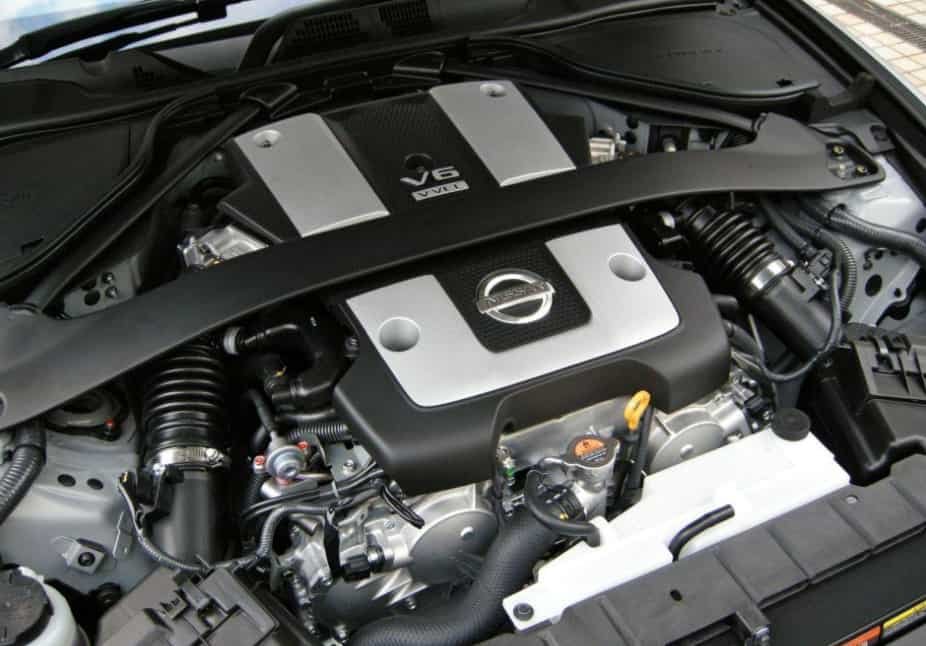
A VQ Car is a vehicle that uses a Nissan VQ engine. It does not represent a specific car model or a separate automotive brand. The term describes vehicles that run on Nissan’s VQ engine family.
Nissan developed the VQ engine series as a group of V6 engines for performance and everyday driving. These engines deliver smooth power, strong acceleration, and reliable operation. Nissan used VQ engines in sports cars, sedans, SUVs, and luxury vehicles.
The VQ engine became famous among car enthusiasts because of its balance between performance and durability. Popular examples include the Nissan 350Z, Nissan 370Z, Infiniti G35, and Infiniti G37. These vehicles helped build the reputation of VQ powered cars worldwide.
This guide explains what a VQ Car means, how Nissan VQ engines work, and which vehicles use them. It also covers their performance, reliability, advantages, and limitations. Understanding the connection between VQ engines and VQ powered vehicles helps drivers make better decisions when researching cars.
What Is a VQ Car?
A VQ Car is a vehicle that uses an engine from Nissan’s VQ engine family. The term does not describe a specific vehicle name. It identifies cars that use VQ series engines, especially Nissan and Infiniti models with V6 powertrains.
The VQ engine family belongs to Nissan’s line of high performance and reliable engines. Nissan introduced the VQ series in 1994 to replace older V6 engine designs. The company focused on creating engines that offered smooth operation, strong power output, and efficient performance.
A VQ Car usually refers to vehicles equipped with engines such as the VQ30, VQ35DE, and VQ37VHR. These engines share similar engineering principles but differ in displacement, technology, and performance levels. For example, the VQ35DE uses a 3.5 liter displacement and became popular in models like the Nissan 350Z and Infiniti G35.
The main feature that defines a VQ Car is its connection to the Nissan VQ engine platform. The vehicle itself can belong to different categories, including sports cars, sedans, and SUVs. The engine creates the common identity between these different vehicles.
Many enthusiasts recognize VQ Cars because the VQ engine delivers a combination of performance and daily usability. The engines provide smooth acceleration, responsive power delivery, and a distinctive V6 sound. These characteristics helped Nissan and Infiniti build a strong reputation among drivers who value both reliability and driving experience.
What Is the Nissan VQ Engine and How Does It Work?
The Nissan VQ engine is a family of V6 engines developed by Nissan for performance, reliability, and smooth power delivery. The engine uses a six cylinder layout that places three cylinders on each side of the engine block. This design helps the engine operate smoothly while maintaining strong acceleration and responsive performance.
Nissan introduced the VQ engine family in 1994 as part of its effort to create a more advanced V6 engine platform. The company designed the engine with lightweight materials, efficient combustion technology, and improved internal components. These improvements helped VQ engines produce strong power while maintaining durability for daily driving.
The VQ engine family includes different versions with various displacement sizes and technologies. Common examples include the VQ30, VQ35DE, and VQ37VHR engines. The VQ35DE became one of the most recognized versions because Nissan used it in popular performance vehicles such as the Nissan 350Z and Infiniti G35. The VQ37VHR later introduced advanced technologies, including Variable Valve Event and Lift systems, to improve engine response and efficiency.
A VQ engine works by combining a naturally aspirated V6 design with precise fuel delivery and valve control systems. Unlike turbocharged engines that use forced induction, many VQ engines create power through engine size, high engine speed capability, and efficient airflow management. This design gives drivers predictable power delivery and a direct connection between throttle input and acceleration.
The main advantage of the Nissan VQ engine comes from its balance. It provides enough performance for enthusiast driving while maintaining the reliability required for everyday vehicles. This balance allowed Nissan to use VQ engines across different vehicle categories, from sports cars to luxury sedans and SUVs.
Which Cars Use Nissan VQ Engines?
Nissan and Infiniti used VQ engines in many vehicles across different categories. These vehicles include sports cars, luxury sedans, crossovers, and SUVs. The wide application of the VQ engine helped it become one of Nissan’s most recognized engine families.
The Nissan 350Z is one of the most famous VQ powered cars. It uses the VQ35DE engine, a 3.5 liter V6 engine designed for strong acceleration and responsive handling. The 350Z became popular among driving enthusiasts because it combined rear wheel drive, balanced chassis design, and the performance characteristics of the VQ engine.
The Nissan 370Z continued the performance tradition with the VQ37VHR engine. This 3.7 liter V6 engine improved power output and introduced advanced valve control technology. The 370Z maintained the connection between Nissan’s sports car heritage and the VQ engine platform.
Infiniti also used VQ engines in several luxury performance models. The Infiniti G35 used the VQ35DE engine and gained recognition for combining luxury features with sporty driving characteristics. The Infiniti G37 later used the VQ37VHR engine and offered stronger performance with a refined driving experience.
Nissan also installed VQ engines in practical vehicles such as the Nissan Maxima, Nissan Murano, and Nissan Pathfinder. These applications showed that VQ engines could provide reliable performance beyond sports cars. The same engine family supported different driving needs, from daily transportation to performance focused driving.
The popularity of VQ powered vehicles comes from the flexibility of the engine platform. Nissan created an engine family that could adapt to different vehicle designs while maintaining its core characteristics of smooth power, durability, and strong performance.
Why Are VQ Cars Popular Among Car Enthusiasts?
VQ Cars are popular among car enthusiasts because they offer a strong balance between performance, reliability, and driving experience. The Nissan VQ engine family created a reputation for delivering smooth power while maintaining the durability needed for long term ownership.
One major reason for their popularity is the engine’s performance characteristics. Many VQ engines use a naturally aspirated V6 design that provides linear power delivery. The engine responds directly to throttle input because it does not rely on turbocharger boost pressure. This creates a predictable driving experience that many enthusiasts prefer.
Another important factor is the sound and character of VQ engines. The V6 configuration produces a distinctive exhaust note, especially in performance models such as the Nissan 350Z and Nissan 370Z. Many drivers value this engine sound because it creates a stronger emotional connection with the vehicle.
VQ Cars also became popular because of their tuning potential. Enthusiasts modify VQ powered vehicles with performance upgrades such as exhaust systems, intake improvements, suspension changes, and engine tuning. These modifications allow owners to personalize their cars while maintaining the original engine platform.
The motorsport and enthusiast communities also increased the recognition of VQ Cars. Vehicles like the Nissan 350Z appeared in racing events, drifting communities, and automotive media. These appearances helped more drivers understand the performance capabilities of VQ powered vehicles.
The combination of accessible performance, strong aftermarket support, and proven engine technology made VQ Cars attractive to different types of drivers. They appeal to enthusiasts who want an engaging driving experience without choosing an extremely expensive performance vehicle.
Are VQ Cars Reliable for Daily Driving?
VQ Cars are generally reliable for daily driving when owners maintain them properly. The Nissan VQ engine family has a strong reputation because many VQ engines can handle high mileage with regular maintenance. The engine design focuses on durability, smooth operation, and consistent performance over long periods.
The reliability of a VQ Car depends on several factors, including maintenance history, driving habits, and vehicle age. A well maintained Nissan 350Z with a VQ35DE engine can provide dependable performance for many years. In contrast, a neglected VQ powered vehicle may develop problems because of missed services or worn components.
Regular maintenance plays an important role in keeping VQ Cars reliable. Owners should follow scheduled oil changes, monitor cooling system performance, and replace aging parts when necessary. The VQ engine uses a complex design with multiple components that require proper care to maintain efficiency and performance.
Older VQ Cars may experience common age related issues. These problems often include oil consumption, cooling system wear, valve cover leaks, and worn suspension components. These issues do not mean the VQ engine lacks reliability. They usually result from vehicle age, mileage, and insufficient maintenance.
Fuel economy is another consideration for daily driving. Many VQ engines provide strong performance, but their V6 configuration usually consumes more fuel than smaller four cylinder engines. Drivers who prioritize fuel efficiency may prefer smaller engines, while those who value power and smooth performance may find VQ Cars more suitable.
Overall, VQ Cars can work well as daily vehicles for drivers who maintain them correctly. Their combination of durability, performance, and driving enjoyment makes them practical choices for enthusiasts who want a reliable performance car.
What Are the Advantages and Disadvantages of VQ Cars?
VQ Cars offer several advantages because Nissan designed the VQ engine family to balance performance, durability, and everyday usability. These vehicles attract drivers who want a stronger driving experience without choosing a highly specialized performance car.
The first major advantage is engine performance. VQ engines provide strong power output through their V6 design and efficient airflow management. Models such as the Nissan 350Z and Nissan 370Z demonstrate how VQ engines can deliver responsive acceleration and enjoyable handling. The naturally aspirated design also gives drivers smooth power delivery across the engine speed range.
Another advantage is engine durability. Many VQ engines have proven their reliability through years of use in different Nissan and Infiniti vehicles. The engine platform supports both performance driving and normal daily transportation. This flexibility helped VQ Cars maintain popularity among different groups of drivers.
However, VQ Cars also have several disadvantages. The most common limitation is fuel consumption. V6 engines usually require more fuel than smaller four cylinder engines because they use a larger displacement and produce more power. Drivers who focus mainly on low fuel costs may find smaller engines more suitable.
Maintenance costs can also become higher as VQ Cars age. Older vehicles may require repairs for components such as cooling systems, seals, suspension parts, and electronic systems. These costs depend on vehicle condition, mileage, and previous maintenance quality.
Another disadvantage involves vehicle age. Many popular VQ powered models, including the Nissan 350Z and Infiniti G35, are now older vehicles. Finding a well maintained example requires careful inspection because previous owners may have modified or heavily driven these cars.
Overall, VQ Cars provide strong performance, proven reliability, and an enjoyable driving experience. Their disadvantages mainly relate to fuel costs, maintenance needs, and the condition of older vehicles rather than fundamental problems with the VQ engine platform.
Is a VQ Car Worth Considering?
A VQ Car is worth considering for drivers who want a combination of performance, reliability, and an engaging driving experience. The term refers to vehicles that use Nissan’s VQ engine family, including popular models from Nissan and Infiniti. These cars are not a single vehicle model but a group of vehicles connected through the same engine platform.
The main strength of VQ Cars comes from the characteristics of the Nissan VQ engine. The V6 design provides smooth power delivery, strong acceleration, and proven durability. Models such as the Nissan 350Z, Nissan 370Z, Infiniti G35, and Infiniti G37 demonstrate how VQ engines can support both sports performance and daily usability.
However, buyers should consider factors such as fuel consumption, maintenance history, and vehicle age before choosing a VQ powered car. A well maintained VQ Car can offer years of enjoyable ownership, while a poorly maintained example may require expensive repairs.
For automotive enthusiasts and drivers who value engine character, VQ Cars remain attractive because they combine practical ownership with performance focused engineering. Understanding the engine technology, vehicle history, and maintenance requirements helps buyers choose the right VQ powered vehicle.