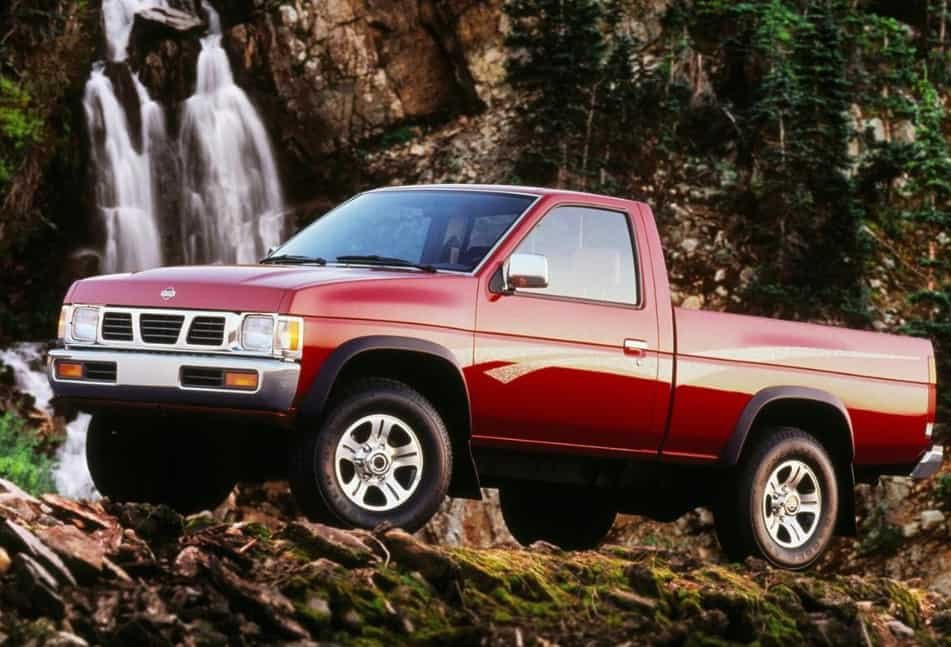
A Hardbody Truck is the Nissan D21 compact pickup truck. Nissan produced this model from 1985 to 1997. The truck became famous for its durability, simple design, and reliable performance.
The name “Hardbody” describes Nissan’s second-generation compact pickup. The D21 replaced the Datsun 720 pickup and continued Nissan’s reputation for building dependable trucks. It competed with other popular compact pickups from the 1980s and 1990s.
The Nissan Hardbody Truck focused on practicality. It offered a strong frame, useful cargo space, and easy maintenance. Many owners also valued its compact size and four-wheel-drive capability. These qualities made the truck suitable for work, daily driving, and off-road activities.
This article explains what a Hardbody Truck is and why the Nissan D21 remains important today. It covers the truck’s history, design, engines, performance, and modern value. Readers can understand how this classic pickup earned its reputation and why enthusiasts still search for it.
What Is a Hardbody Truck?
A Hardbody Truck is the Nissan D21 compact pickup truck. Nissan introduced this model in 1985 as the successor to the Datsun 720 pickup. The D21 became known as the Hardbody because of its distinctive double-wall bed design, which improved durability and helped the truck handle demanding use.
The Nissan Hardbody belonged to the compact pickup truck category. It used a body-on-frame structure, which separated the truck body from the chassis. This design increased strength and allowed the truck to handle heavier loads, rough roads, and off-road conditions more effectively.
The D21 came in several configurations to meet different driver needs. Buyers could choose regular cab or King Cab versions. Nissan also offered two-wheel-drive and four-wheel-drive models. These options allowed the Hardbody to serve as both a practical work truck and a recreational off-road vehicle.
The Hardbody name mainly refers to the North American version of the Nissan D21. In other markets, Nissan sold related versions under names such as Nissan Pickup and Nissan Navara. These models shared similar engineering principles but included different regional specifications.
The Nissan Hardbody gained popularity because it balanced simplicity and capability. The truck avoided unnecessary complexity and focused on essential functions. Its durable chassis, reliable engines, and straightforward mechanical systems helped many examples remain on the road decades after production ended.
Today, the Nissan Hardbody represents an important period in pickup truck development. It shows how compact trucks provided affordable transportation, useful utility, and dependable performance before modern trucks became larger and more technology-focused.
When Was the Nissan Hardbody Truck Produced?
Nissan produced the Hardbody Truck from 1985 to 1997. The truck belonged to the D21 generation of Nissan compact pickups. It followed the Datsun 720 pickup and represented Nissan’s transition from the Datsun brand to the Nissan name in many markets.
The D21 arrived during a period when compact pickup trucks became increasingly popular. Many drivers wanted a smaller truck that offered better fuel efficiency, easier handling, and lower ownership costs than full-size pickups. The Nissan Hardbody matched this demand with a compact design and strong utility features.
Nissan developed the D21 as a practical replacement for the previous generation. The company improved the truck’s chassis, exterior styling, and available features while keeping the mechanical simplicity that buyers expected from Japanese pickups. The Hardbody used a rugged frame and dependable engines that supported both commercial and personal use.
During the late 1980s and early 1990s, the Nissan Hardbody competed with other compact trucks such as the Toyota Pickup and Ford Ranger. These vehicles attracted customers who needed reliable transportation without the size and cost of larger trucks. The D21 gained attention because it combined Japanese engineering with affordable maintenance.
Production continued for more than a decade because the Hardbody maintained strong demand. Nissan eventually replaced the D21 with newer truck platforms, including the Nissan Frontier in many markets. However, the Hardbody remained popular among truck enthusiasts because of its reliability, simple design, and classic pickup appearance.
The production history of the Nissan Hardbody explains why the truck remains relevant today. It represents an era when compact pickups focused on durability, mechanical simplicity, and everyday usefulness.
What Features Made the Nissan Hardbody Truck Popular?
The Nissan Hardbody Truck became popular because it combined durability, simplicity, and practical performance. The D21 focused on essential truck functions instead of adding unnecessary complexity. This approach helped the Hardbody build a strong reputation among workers, outdoor enthusiasts, and everyday drivers.
The truck used a body-on-frame construction that improved strength and durability. This design placed the truck body on a separate frame, which helped it handle heavy use and rough terrain. Many owners appreciated this structure because it supported long-term reliability and easier repairs compared with more complex vehicle designs.
The Nissan Hardbody also offered practical configurations for different types of drivers. The Regular Cab model provided a simple setup for work purposes, while the King Cab version added extra space behind the front seats for storage or occasional passengers. Nissan also offered rear-wheel-drive and four-wheel-drive versions, allowing buyers to choose between efficiency and off-road capability.
Another important feature was the truck’s compact size. The Hardbody provided useful cargo space while remaining easier to maneuver than larger pickups. This made it suitable for city driving, small businesses, farming tasks, and recreational activities. Drivers could use the truck for transportation during the week and outdoor adventures on weekends.
The mechanical simplicity of the Nissan Hardbody created another advantage. The truck used straightforward engines and systems that owners could maintain without advanced equipment. Many enthusiasts continue to restore and modify these trucks because parts availability, repair knowledge, and aftermarket support remain strong.
The combination of a durable frame, flexible configurations, compact dimensions, and reliable mechanics explains why the Nissan Hardbody became one of the most respected compact pickup trucks from its era.
What Engines Did the Nissan Hardbody Truck Use?
The Nissan Hardbody Truck used several engines during its production period from 1985 to 1997. Nissan designed these engines to provide reliability, efficient operation, and enough power for daily driving and utility work. The available engines depended on the market, model year, and drivetrain configuration.
The most common gasoline engine in the Nissan Hardbody was the KA24E 2.4-liter four-cylinder engine. This engine became popular because of its strong low-end torque and durable design. The KA24E used a single overhead camshaft system and provided dependable performance for both two-wheel-drive and four-wheel-drive models.
Earlier D21 models also used the Z24 2.4-liter four-cylinder engine. Nissan introduced this engine before the KA24E became the primary option in many markets. The Z24 followed Nissan’s focus on simple and reliable engine design. Many owners valued this engine because it offered easy maintenance and strong durability.
Some markets received diesel engine options, including the SD25 diesel engine. Diesel-powered versions focused on fuel efficiency and commercial use. These engines appealed to drivers who needed a practical work truck with lower operating costs.
Nissan paired the Hardbody engines with manual and automatic transmissions. The five-speed manual transmission became especially popular among enthusiasts because it provided direct control and matched the truck’s simple mechanical character. Automatic transmissions offered easier operation for drivers who used the truck for commuting and daily transportation.
The engine choices helped the Nissan Hardbody develop its reputation for reliability. These engines did not focus on maximum horsepower. Instead, they prioritized durability, repairability, and consistent performance over many years of ownership.
This engineering approach explains why many Nissan Hardbody trucks remain active today. Owners often maintain or rebuild these engines because they provide a strong foundation for classic truck restoration and long-term use.
How Does the Nissan Hardbody Truck Perform Off Road?
The Nissan Hardbody Truck performs well off road because of its durable construction, compact size, and available four-wheel-drive system. The D21 was not designed as a modern performance off-road vehicle, but its simple mechanical layout allows it to handle challenging terrain with proper modifications and maintenance.
The four-wheel-drive Nissan Hardbody models used a part-time 4WD system that allowed drivers to switch between two-wheel drive and four-wheel drive when road conditions changed. This system helped the truck improve traction on surfaces such as mud, gravel, sand, and rocky trails. The compact wheelbase also helped the truck move through narrow trails where larger pickups often struggled.
The Hardbody’s body-on-frame design provided another advantage for off-road driving. The strong chassis could handle repeated stress from uneven terrain and heavy use. The suspension system also supported basic off-road capability by maintaining stability on rough surfaces and absorbing impacts from irregular roads.
Many off-road enthusiasts modify Nissan Hardbody trucks to increase their capability. Common upgrades include suspension lifts, larger tires, improved shock absorbers, and protective equipment such as skid plates. These modifications improve ground clearance, traction, and durability during more demanding trail conditions.
The truck’s lightweight design also contributes to its off-road reputation. Compared with many modern pickups, the D21 weighs less and uses fewer electronic systems. This simplicity allows drivers to repair and maintain the vehicle more easily during remote trips.
The Nissan Hardbody became popular among off-road communities because it offers a balance between reliability and capability. Its factory design provides a strong foundation, while its simple mechanical systems allow owners to adapt the truck for different outdoor environments.
Why Is the Nissan Hardbody Truck Still Popular Today?
The Nissan Hardbody Truck remains popular today because it offers durability, simplicity, and classic pickup truck character. Although Nissan ended D21 production in 1997, many examples continue to serve owners around the world. The truck attracts collectors, off-road enthusiasts, and drivers who prefer simple mechanical vehicles.
One major reason for its popularity is reliability. The Nissan Hardbody uses a straightforward design with fewer electronic systems than modern trucks. This structure makes maintenance easier and allows owners to repair many components without specialized equipment. Many enthusiasts consider the D21 a dependable platform for long-term ownership.
The truck also attracts classic vehicle collectors because of its 1980s and 1990s design. The Hardbody represents an era when compact pickups focused on function rather than luxury. Its boxy exterior, practical interior, and durable construction give it a unique identity among older trucks.
Another factor is affordability. Compared with many classic pickups from the same period, the Nissan Hardbody often provides an accessible entry point for truck enthusiasts. Buyers can find examples for restoration projects, daily transportation, or recreational use. The large owner community also supports the vehicle through repair guides, replacement parts, and modification knowledge.
The off-road community continues to value the Hardbody because of its strong foundation. Many owners customize their trucks with suspension upgrades, larger tires, and improved equipment. These modifications allow the D21 to perform well in outdoor environments while maintaining its classic appearance.
The Nissan Hardbody’s lasting popularity comes from its balance of practicality and character. It represents a simple approach to truck design that still appeals to drivers who want reliability, repairability, and a connection with classic pickup history.
How Does the Nissan Hardbody Compare With Modern Nissan Trucks?
The Nissan Hardbody differs from modern Nissan trucks because it focuses on simplicity, durability, and basic capability. Modern trucks such as the Nissan Frontier provide more technology, comfort features, and advanced safety systems. However, the Hardbody offers a mechanical experience that many truck enthusiasts still value.
The biggest difference appears in vehicle design. The Nissan Hardbody uses a compact body-on-frame structure with simple mechanical components. Modern Nissan trucks use larger platforms with more complex engineering. Newer trucks include features such as advanced driver assistance systems, touchscreen technology, improved cabin comfort, and stronger safety equipment.
The Nissan Frontier represents the modern evolution of Nissan’s pickup truck lineup. It provides more horsepower, greater towing capability, improved interior quality, and updated technology compared with the D21 Hardbody. These improvements make the Frontier better suited for drivers who need modern convenience and stronger performance.
The Hardbody still has advantages in specific areas. Its smaller size makes it easier to maneuver in tight spaces and narrow trails. Its simpler systems also make repairs more accessible for owners who prefer working on their own vehicles. Many enthusiasts choose the D21 because they enjoy its direct driving experience and mechanical character.
Modern Nissan trucks provide better daily comfort and advanced features, while the Hardbody provides simplicity and classic truck appeal. The choice depends on the driver’s priorities. Buyers who want technology, safety, and maximum capability may prefer newer models. Drivers who value reliability, easy maintenance, and vintage pickup design often choose the Nissan Hardbody.
The relationship between the Hardbody and modern Nissan trucks shows how pickup trucks have changed over time. The D21 represents an era focused on durability and practicality, while newer models combine those qualities with modern expectations.
Is the Nissan Hardbody Truck Still Worth Considering?
The Nissan Hardbody Truck remains worth considering for drivers who value reliability, simplicity, and classic pickup design. Although Nissan stopped producing the D21 generation decades ago, the truck continues to attract attention because it provides practical capability without the complexity found in many modern vehicles.
The Hardbody works well for several types of owners. Classic truck enthusiasts appreciate its historical value and recognizable 1980s and 1990s styling. Off-road drivers choose it because its compact size, durable frame, and available four-wheel-drive system create a strong foundation for customization. Owners who prefer simple maintenance also value its straightforward mechanical design.
The truck does have limitations compared with newer pickups. It lacks modern safety technology, advanced comfort features, and the power offered by current Nissan models. However, these differences also create its unique appeal. The Hardbody delivers a direct driving experience that connects the owner with the vehicle’s mechanical character.
The Nissan D21 Hardbody represents an important chapter in pickup truck history. It shows how a compact truck can achieve long-term popularity through durability, practical engineering, and dependable performance. For buyers seeking a classic pickup with strong community support and restoration potential, the Nissan Hardbody remains a meaningful choice.