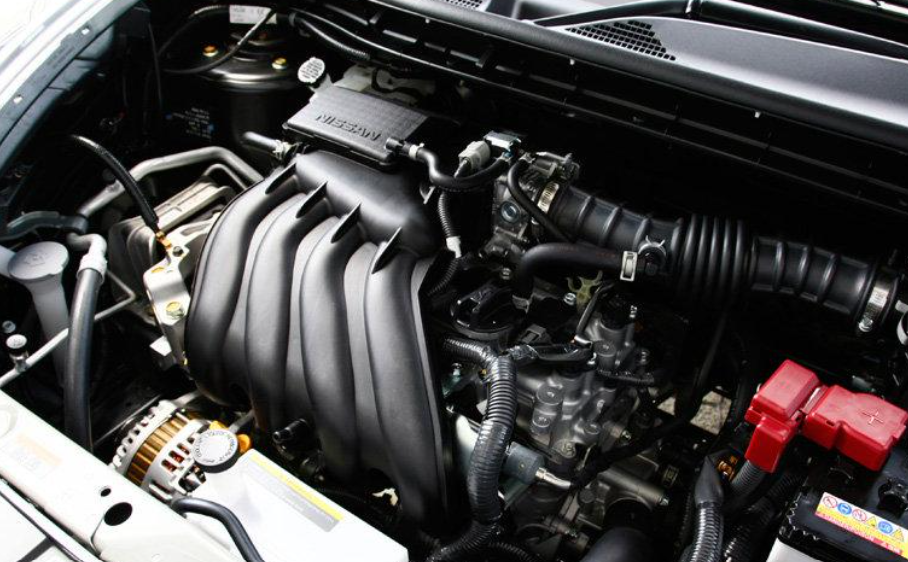
The Nissan 1.6 engine has earned a strong reputation for delivering a balance of fuel efficiency, affordability, and dependable performance. Found in popular models such as the Nissan Sentra, Versa, Note, Juke, and Qashqai, this engine has powered millions of vehicles around the world. While many owners enjoy years of trouble free driving, no engine is completely immune to wear and mechanical issues. Understanding the most common Nissan 1.6 engine problems can help you identify warning signs early and avoid costly repairs in the future.
Many drivers only start researching engine problems after noticing unusual noises, a check engine light, rough idling, or a sudden drop in performance. Unfortunately, delaying repairs often leads to more serious damage and significantly higher repair costs. Issues such as excessive oil consumption, timing chain wear, ignition coil failures, and cooling system problems can gradually develop over time. Recognizing the symptoms before they become major failures is one of the most effective ways to extend engine life and reduce maintenance expenses.
In this guide, you will learn about the most common Nissan 1.6 engine problems, the symptoms associated with each issue, typical repair costs, and practical prevention tips. Whether you currently own a Nissan equipped with a 1.6 liter engine or are considering buying a used model, this information will help you make informed decisions and keep your vehicle running reliably for years to come.
Overview of the Nissan 1.6 Engine
The Nissan 1.6 engine is one of the most widely used engines in Nissan’s lineup. Nissan designed it to balance fuel efficiency, reliability, and low maintenance costs. Many drivers choose this engine for daily use because it performs well in both city traffic and highway driving.
Key Features of Nissan 1.6 Engines
Nissan equips most 1.6 engines with modern fuel injection systems and lightweight aluminum components. These features help improve fuel economy and reduce engine weight. The engine also uses an electronic control system that manages fuel delivery and ignition timing for smoother performance.
The HR16DE engine is the most common version of the Nissan 1.6. It delivers stable power and supports long-term use when owners follow proper maintenance. Many mechanics also prefer this engine because parts are easy to find and relatively affordable.
Popular Nissan Models Equipped With the 1.6 Engine
Nissan uses the 1.6 engine in several popular models. These include the Nissan Sentra, Versa, Note, Juke, and Qashqai. These cars target drivers who want affordable running costs and good fuel efficiency.
Each model may show slightly different reliability patterns. However, most Nissan 1.6 engine problems appear across all models in similar ways. This makes it easier to identify common faults regardless of the vehicle.
How Long Does a Nissan 1.6 Engine Typically Last?
A well maintained Nissan 1.6 engine can last over 200,000 miles. Some engines even reach 250,000 miles when owners follow strict maintenance schedules.
Engine lifespan depends on several factors. Regular oil changes play the most important role. Driving style also affects durability. Aggressive driving increases wear and reduces engine life. Climate conditions and fuel quality also influence long term reliability.
Owners who maintain the engine properly usually avoid major failures. They also reduce the risk of expensive repairs over time.
Are Nissan 1.6 Engines Reliable?
The Nissan 1.6 engine is generally considered a reliable power unit when owners follow proper maintenance schedules. Many drivers experience long term durability and stable performance, especially in everyday city and highway driving. The engine delivers good fuel efficiency and low running costs, which makes it a popular choice in compact Nissan models such as the Sentra, Versa, Note, Juke, and Qashqai. In normal conditions, the engine can operate smoothly for high mileage without major internal failures.
Reliability also comes from its relatively simple design and wide availability of spare parts. Nissan uses proven fuel injection technology and an efficient engine management system that helps maintain consistent performance. Mechanics often find this engine easy to service, which helps reduce overall repair complexity and cost compared to more advanced turbocharged units.
However, the Nissan 1.6 engine is not completely free from problems. Over time, some owners report increased oil consumption, timing chain wear, ignition coil failures, and sensor related issues. These problems usually do not appear early in the engine life but develop gradually as mileage increases. In many cases, poor maintenance such as delayed oil changes or the use of low quality engine oil accelerates wear and increases the risk of failure. Cooling system neglect can also lead to overheating issues that affect long term reliability.
Overall, the Nissan 1.6 engine offers solid reliability when properly maintained, but it still requires consistent care. Drivers who follow recommended service intervals and respond early to warning signs usually enjoy a long engine lifespan with fewer expensive repairs.
Most Common Nissan 1.6 Engine Problems
The Nissan 1.6 engine can deliver strong reliability, but it still develops several common issues as mileage increases. Most of these problems appear gradually and often start with small warning signs that many drivers ignore. When left untreated, they can lead to higher repair costs and reduced engine performance.
One of the most common issues is excessive oil consumption. Some Nissan 1.6 engines burn more oil as they age, especially when maintenance is inconsistent. Drivers may notice that the oil level drops faster than expected between service intervals. This problem often results from worn piston rings or valve seals. If ignored, low oil levels can cause serious internal engine damage.
Timing chain wear is another frequent concern. A stretched timing chain can create a rattling noise during cold starts. It can also trigger the check engine light and affect engine timing. In severe cases, it may lead to poor performance or engine misfires. Regular oil changes help reduce the risk of timing chain issues.
Ignition coil failure also appears in many Nissan 1.6 engines. When coils weaken, the engine may misfire or run unevenly. Drivers often experience rough acceleration, reduced fuel economy, and unstable idling. Replacing faulty coils quickly can restore smooth engine operation.
Mass air flow sensor problems can also affect performance. A failing sensor may send incorrect air intake readings to the engine control unit. This leads to poor fuel efficiency, hesitation during acceleration, and loss of power. Cleaning or replacing the sensor usually solves the issue.
Cooling system failures represent another risk. A faulty water pump or thermostat can cause overheating. High engine temperature can damage internal components if drivers do not address the issue quickly. Regular cooling system checks help prevent this problem.
These common Nissan 1.6 engine problems highlight the importance of early detection and preventive maintenance. Most issues start small, but they can become expensive if ignored.
Nissan 1.6 Engine Symptoms You Should Never Ignore
The Nissan 1.6 engine often shows early warning signs before serious problems develop. Many drivers ignore these symptoms because the car still runs, but this usually leads to more expensive repairs later. Recognizing these signals early helps prevent major engine damage and reduces long term maintenance costs.
One of the most important symptoms is the check engine light. When this light appears, the engine control unit has detected a fault in the system. It may relate to fuel delivery, ignition issues, or sensor malfunctions. Even if the car feels normal, drivers should not ignore this warning because it often signals hidden problems.
Unusual engine noises are another clear warning sign. A knocking or rattling sound can indicate timing chain wear or internal engine stress. These noises often become more noticeable during cold starts or acceleration. If left untreated, the problem may worsen and affect engine timing and performance.
Excessive exhaust smoke also signals potential engine trouble. Blue smoke often indicates oil burning, while white smoke may point to coolant leaks. Both conditions require immediate attention to prevent further damage.
Loss of acceleration is another common symptom. The vehicle may feel slower or less responsive when pressing the gas pedal. This can result from ignition coil failure, air intake issues, or fuel system problems.
Drivers may also notice increased fuel consumption. When the engine works harder due to faulty components, fuel efficiency drops significantly. This often happens alongside rough idling or inconsistent engine performance.
Engine overheating is one of the most serious symptoms. A rising temperature gauge or warning light suggests cooling system failure. If ignored, overheating can cause severe internal damage and even complete engine failure.
These symptoms often appear gradually, but they should never be ignored. Early diagnosis helps keep repair costs low and improves the long term reliability of the Nissan 1.6 engine.
Nissan 1.6 Engine Repair Costs
Repair costs for the Nissan 1.6 engine vary depending on the type of problem and how early it is detected. Small issues cost much less to fix, while delayed repairs often lead to expensive mechanical work. Understanding these costs helps owners plan maintenance and avoid unexpected expenses.
Oil consumption related repairs usually fall in the moderate to high cost range. If the issue comes from worn piston rings or valve seals, the repair may require partial engine disassembly. This type of work can become expensive because it involves significant labor time and engine teardown. However, if the problem is caught early, costs remain lower.
Timing chain replacement is another major expense. A worn or stretched timing chain requires precise labor and replacement of related components such as guides and tensioners. This repair is more costly than routine maintenance, but it is necessary to prevent serious engine damage.
Ignition coil replacement is more affordable compared to internal engine repairs. Each coil is relatively inexpensive, and replacement is straightforward. However, if multiple coils fail at the same time, the total cost increases. Spark plug replacement is often done at the same time to restore proper ignition performance.
Cooling system repairs vary depending on the failed component. A water pump replacement or thermostat repair usually falls into a mid range cost category. If overheating causes additional engine damage, repair costs increase significantly.
Sensor related issues such as mass air flow sensor failure are generally less expensive to fix. Cleaning the sensor costs very little, while replacement remains affordable compared to mechanical repairs.
Overall, annual maintenance costs for a Nissan 1.6 engine stay reasonable when owners follow a proper service schedule. However, ignoring early warning signs can quickly turn small repairs into major expenses. Preventive maintenance remains the most effective way to control long term ownership costs.
How to Prevent Nissan 1.6 Engine Problems
Preventing Nissan 1.6 engine problems depends mostly on regular maintenance and early action when warning signs appear. Most serious engine failures start from small issues that owners ignore over time. By following a consistent maintenance routine, drivers can significantly extend engine life and reduce repair costs.
One of the most important steps is changing engine oil at the recommended intervals. Fresh oil keeps engine components lubricated and reduces internal wear. Using high quality engine oil also helps protect the engine under different driving conditions. Poor quality oil or delayed oil changes often lead to sludge buildup and increased engine stress.
Replacing filters on time also plays a key role in prevention. Air filters and oil filters help keep contaminants away from critical engine parts. A clogged air filter can reduce airflow and affect engine performance, while a worn oil filter can reduce lubrication efficiency.
Regular inspection of the cooling system helps prevent overheating issues. Drivers should check coolant levels and ensure there are no leaks in the system. A failing thermostat or water pump can quickly lead to engine temperature problems if not detected early.
Spark plug maintenance is another important factor. Worn spark plugs can cause misfires, rough idling, and poor fuel economy. Replacing them at the correct interval helps maintain smooth engine performance.
Drivers should also respond quickly to any warning signs such as unusual noises, check engine light, or loss of power. Early diagnosis prevents small faults from developing into expensive repairs.
Preventive maintenance is the most effective way to avoid common Nissan 1.6 engine problems. A well maintained engine not only performs better but also lasts significantly longer under normal driving conditions.
Conclusion
The Nissan 1.6 engine remains a practical and widely used engine that delivers good fuel efficiency and reliable everyday performance. However, like any engine, it develops problems over time if owners do not follow proper maintenance practices. Issues such as oil consumption, timing chain wear, ignition coil failures, and cooling system problems often start small but can become serious if ignored.
Most Nissan 1.6 engine problems are preventable when drivers follow regular service schedules and respond early to warning signs. Simple habits such as timely oil changes, filter replacements, and cooling system checks can significantly improve engine lifespan and reduce repair costs. A well maintained Nissan 1.6 engine can easily last beyond 200,000 miles and continue to perform reliably in daily driving conditions.
Understanding symptoms early is the key to avoiding expensive repairs. Drivers who pay attention to changes in engine noise, performance, fuel economy, or warning lights usually avoid major breakdowns. Preventive maintenance always costs less than emergency repairs and helps preserve long term engine health.
Frequently Asked Questions
Is the Nissan 1.6 engine reliable?
The Nissan 1.6 engine is generally reliable when properly maintained. Many drivers report long term durability, especially when regular oil changes and scheduled maintenance are followed.
What is the most common Nissan 1.6 engine problem?
The most common issues include oil consumption, timing chain wear, ignition coil failures, and sensor related problems. These issues usually develop with higher mileage.
How much does it cost to repair a Nissan 1.6 engine?
Repair costs vary depending on the problem. Minor repairs like sensors or ignition coils are relatively affordable, while timing chain or internal engine repairs can be more expensive.
Can a Nissan 1.6 engine last over 200,000 miles?
Yes, a Nissan 1.6 engine can exceed 200,000 miles if it is properly maintained. Regular servicing and early problem detection play a major role in engine longevity.
Is it worth buying a used Nissan with a 1.6 engine?
A used Nissan with a 1.6 engine can be a good choice if it has a strong maintenance history. Buyers should carefully inspect for oil leaks, timing chain noise, and signs of poor maintenance before purchasing.