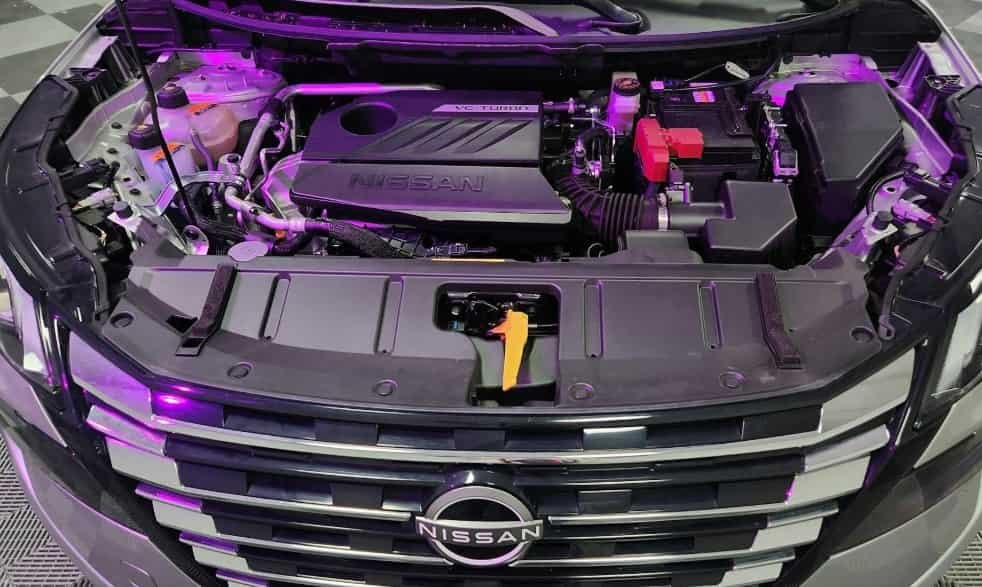
The 2025 Nissan Rogue is one of the most discussed compact SUVs in its segment. It stands out because of its fuel efficiency, modern design, and turbocharged engine technology. At the core of its performance is the 1.5 liter VC Turbo engine. This engine can adjust compression levels to balance power and fuel economy.
This technology brings clear benefits in daily driving. It improves fuel efficiency and delivers smoother performance in many conditions. However, it also raises concerns among owners and buyers. Many people question its long term durability and stability under real driving conditions.
Drivers often focus on how the engine behaves in different situations. These include city traffic, highway speed, and sudden acceleration. Common concerns include engine hesitation, unusual noise, oil consumption, and warning lights. These signs do not always indicate serious failure. However, they show how sensitive modern turbo engines can be. Maintenance habits, fuel quality, and driving style all play a major role.
This guide explains the most common engine problems in the 2025 Nissan Rogue. It also covers their causes, symptoms, and practical solutions. The goal is to help you detect early warning signs before they become costly repairs. It also helps you understand whether this SUV matches your expectations for reliability and ownership cost.
2025 Nissan Rogue Engine Overview
The 2025 Nissan Rogue uses a 1.5 liter VC Turbo engine. This engine is part of Nissan’s advanced variable compression technology. It can change its compression ratio based on driving conditions. The goal is to deliver both strong performance and better fuel efficiency in one system.
In simple terms, the engine adjusts itself depending on how you drive. When you need more power, it lowers the compression for better performance. When you cruise at steady speed, it increases compression to improve fuel economy. This dynamic adjustment helps the Rogue achieve strong mileage figures compared to many competitors in the compact SUV segment.
The VC Turbo system is built around a complex mechanical design. It uses multiple moving components to continuously adjust the compression ratio. This makes the engine more flexible than traditional fixed compression engines. It also improves efficiency across different driving environments such as city traffic and highway driving.
However, this complexity also introduces new challenges. More moving parts mean more stress points inside the engine. Heat management becomes more critical because turbocharged systems naturally generate higher temperatures. In addition, the engine depends heavily on precise calibration from the ECU to maintain smooth operation.
Drivers often notice that this type of engine feels different from traditional naturally aspirated engines. It can feel smoother in normal driving but more sensitive under aggressive acceleration. This sensitivity is not necessarily a defect, but it does mean the engine reacts more strongly to maintenance habits and driving behavior.
Overall, the 2025 Nissan Rogue engine is designed to balance efficiency and performance through advanced engineering. At the same time, its complexity makes it important for owners to understand how it works in order to avoid misinterpreting normal behavior as engine problems.
Common 2025 Nissan Rogue Engine Problems
The 2025 Nissan Rogue shows no single critical engine defect, but several recurring issues are often discussed by owners and reviewers. Most of these concerns relate to the characteristics of the 1.5 liter VC Turbo engine rather than a confirmed manufacturing fault. In real driving conditions, these issues usually appear depending on driving style, maintenance habits, and road conditions. Understanding them helps drivers distinguish between normal turbo engine behavior and actual mechanical problems.
One of the most common complaints is engine hesitation during acceleration. Drivers may notice a short delay when pressing the accelerator, especially at low speeds or in heavy traffic. This happens because the turbo system needs time to build boost pressure before delivering full power. The ECU also plays a role in managing throttle response, which can make acceleration feel less immediate. In most cases, this is a normal trait of small turbocharged engines rather than a defect.
Another issue that some users report is unusual engine noise or mild knocking sounds under load. This can occur during uphill driving or sudden acceleration. The cause is often linked to combustion timing behavior, fuel quality, or increased engine stress under turbo pressure. While this noise can be concerning, it does not always indicate serious engine damage unless it becomes persistent or progressively louder.
Oil consumption is also mentioned by a portion of owners. Turbocharged engines tend to operate under higher heat and pressure, which can increase oil usage over time. Drivers who make frequent short trips or drive in demanding conditions may notice this more clearly. Regular oil level checks are important to avoid long term wear.
Some drivers also experience check engine light warnings. These alerts can come from sensitive sensors, emissions system reactions, or temporary engine fluctuations. Not every warning indicates a serious failure, but proper diagnostic scanning is necessary to confirm the cause. In addition, higher engine temperatures may appear during heavy load driving or hot weather, which is typical for turbocharged systems but still requires proper cooling system maintenance.
Root Causes of 2025 Nissan Rogue Engine Problems
The engine issues reported in the 2025 Nissan Rogue are not usually caused by a single defect. Instead, they come from a combination of engineering design choices, operating conditions, and maintenance behavior. The most important factor is the complexity of the 1.5 liter VC Turbo engine. This system uses variable compression technology, which relies on multiple moving components to constantly adjust engine behavior. While this improves efficiency, it also increases mechanical complexity and creates more potential stress points inside the engine.
Another key factor is heat management. Turbocharged engines naturally generate higher temperatures compared to traditional engines. In the VC Turbo system, this heat is amplified during acceleration or heavy load driving. If cooling performance is not optimal or if the vehicle is frequently driven in hot climates, thermal stress can gradually affect engine stability and long term durability. This is why some drivers notice performance changes during demanding driving conditions.
Fuel quality also plays an important role. The engine depends on precise combustion timing to maintain smooth operation. When fuel quality is inconsistent, it can affect combustion stability and lead to symptoms such as knocking, hesitation, or reduced performance. Over time, this sensitivity makes the engine appear less consistent compared to simpler naturally aspirated engines.
Driving habits are another major contributor. Frequent short trips, aggressive acceleration, and stop and go traffic place additional strain on the turbo system. These conditions prevent the engine from reaching optimal operating temperature and increase wear over time. As a result, issues like oil consumption or delayed throttle response may become more noticeable.
Finally, software calibration and ECU behavior influence how the engine feels in real driving. The system continuously adjusts throttle response, fuel injection, and boost pressure. In some situations, these adjustments can create hesitation or delayed power delivery. This is not a mechanical failure but rather a characteristic of how modern engine management systems prioritize efficiency and emissions compliance.
Overall, most root causes are interconnected. They reflect the trade off between efficiency, performance, and complexity in modern turbocharged engine design.
Symptoms and Early Warning Signs of Engine Problems
Early detection of engine issues in the 2025 Nissan Rogue is important because most problems develop gradually rather than appearing suddenly. The engine is designed with modern sensors and control systems that monitor performance in real time. However, drivers still need to pay attention to physical and behavioral changes that signal potential trouble before it becomes a costly repair.
One of the most noticeable early signs is inconsistent engine performance. The vehicle may feel less responsive during acceleration or show uneven power delivery at low speeds. This can happen intermittently, especially in city driving. While occasional hesitation can be normal for a turbocharged engine, repeated patterns may indicate deeper issues with boost pressure control or fuel delivery stability.
Another common symptom is unusual engine noise. Drivers may hear light knocking, ticking, or rough sound during acceleration or when the engine is under load. These noises often become more noticeable when climbing hills or driving with a heavy load. Although some level of sound variation is normal in turbo engines, persistent or worsening noise should be inspected.
Warning lights on the dashboard are also important indicators. The check engine light can appear due to many triggers, including sensor sensitivity, emissions system imbalance, or temporary combustion irregularities. Even if the vehicle continues to drive normally, a diagnostic scan is necessary to identify the exact cause and prevent long term damage.
Changes in fuel efficiency can also signal early engine problems. If fuel consumption increases without any change in driving habits, it may indicate that the engine is not operating at optimal efficiency. This is often linked to air fuel mixture imbalance or turbo system inefficiency.
Finally, drivers may notice vibration or slight shaking during acceleration. This symptom can be subtle at first but may become more noticeable over time. It often reflects inconsistent combustion or engine load distribution.
Recognizing these early warning signs allows owners to address small issues before they develop into major engine failures. Regular monitoring and timely maintenance are essential for maintaining long term reliability.
Fixes and Repair Solutions for 2025 Nissan Rogue Engine Problems
When engine issues appear in the 2025 Nissan Rogue, the right solution depends on the severity of the symptoms and the root cause behind them. Most problems do not require immediate major engine replacement. Instead, they can often be resolved through diagnostics, software updates, or targeted mechanical repairs. The key is to identify the issue early and apply the correct level of intervention.
For minor issues, software related fixes are often the first step. The VC Turbo engine relies heavily on ECU calibration to control fuel injection, turbo boost, and throttle response. In some cases, engine hesitation, rough idling, or inconsistent performance can be improved through ECU reprogramming or firmware updates provided by authorized dealers. Sensor recalibration may also help restore normal engine behavior when warning lights are triggered without serious mechanical faults.
Routine maintenance also plays a major role in resolving and preventing engine problems. Regular oil changes using the correct specification oil help reduce internal friction and protect turbo components from excessive wear. Fuel system cleaning can improve combustion stability and reduce symptoms such as knocking or hesitation. Replacing air filters and ensuring proper airflow also supports smoother engine performance.
For more serious mechanical issues, targeted repairs may be required. Turbocharger inspection is important if the vehicle shows persistent power loss or unusual noise under acceleration. In some cases, worn turbo components may need repair or replacement. Cooling system maintenance is also critical because overheating can accelerate engine wear. Repairing coolant leaks, thermostat issues, or radiator inefficiency can significantly improve engine stability.
Dealer level support is another important solution path. Nissan warranty coverage may include repairs for certain engine related issues depending on mileage and service history. Authorized service centers can perform advanced diagnostics to identify hidden faults that are not visible through basic scans. In some cases, technical service bulletins or recall updates may address known issues across multiple vehicles.
Overall, most engine problems in the 2025 Nissan Rogue can be managed effectively when addressed early. Combining proper diagnostics, routine maintenance, and dealer support helps restore performance and maintain long term engine reliability.
Maintenance Tips to Prevent Engine Problems
Preventing engine problems in the 2025 Nissan Rogue is largely about consistent maintenance and proper driving habits. The 1.5 liter VC Turbo engine is designed for efficiency, but it is also sensitive to neglect. Small mistakes in maintenance can gradually lead to symptoms such as hesitation, noise, or reduced performance. A proactive approach helps extend engine life and reduce unexpected repair costs.
One of the most important habits is following a strict oil change schedule. Turbocharged engines operate under higher heat and pressure, which makes engine oil degrade faster compared to traditional engines. Using the correct oil specification and changing it at recommended intervals helps protect internal components and maintain smooth turbo operation. Ignoring oil quality can increase wear on the turbo system and lead to long term reliability issues.
Fuel quality is another key factor. The VC Turbo engine relies on precise combustion control, so using high quality fuel helps maintain stable performance. Poor fuel quality can cause knocking, reduced efficiency, and inconsistent engine response. Over time, this can affect both performance and durability.
Driving behavior also plays a major role in engine health. Gentle acceleration and avoiding harsh throttle input when the engine is cold help reduce stress on turbo components. Short trips should be minimized when possible because the engine may not reach optimal operating temperature, which can increase internal moisture and wear.
Regular inspection of air filters, cooling systems, and fluid levels is also essential. A clean air intake system ensures proper combustion, while an efficient cooling system prevents overheating during heavy driving conditions. These small checks help maintain stable engine performance over time.
Finally, scheduled service at authorized Nissan centers ensures that ECU updates, diagnostics, and system recalibrations are performed correctly. These updates can improve engine behavior and address minor issues before they become serious problems.
Consistent maintenance not only prevents engine issues but also improves overall reliability and driving experience, making the 2025 Nissan Rogue more stable in long term ownership.
Reliability Analysis of the 2025 Nissan Rogue Engine
The reliability of the 2025 Nissan Rogue engine is a key concern for many buyers, especially because it uses the 1.5 liter VC Turbo system. This engine is designed to improve fuel efficiency while maintaining strong performance, but its long term reliability depends heavily on maintenance quality and driving conditions. In general, the engine performs well in daily use, but it is more sensitive than traditional naturally aspirated engines.
Compared to older Nissan Rogue models, the 2025 version shows clear improvements in fuel economy and responsiveness. The VC Turbo technology allows better efficiency across different driving situations, especially in city and highway conditions. However, the added mechanical complexity also means there are more components that require precise operation. This increases the importance of regular maintenance and proper servicing.
From a reliability perspective, the engine is considered moderately reliable when maintained correctly. Most reported issues are not catastrophic failures but rather performance related concerns such as hesitation, noise variation, or temporary warning lights. These issues are often linked to software calibration, fuel quality, or driving habits rather than structural engine defects.
Owner feedback is mixed but generally balanced. Many drivers appreciate the smooth performance and fuel savings, while others express concern about long term durability compared to simpler engine designs. This contrast is common in modern turbocharged engines, where efficiency is often traded for increased mechanical and thermal complexity.
Overall, the 2025 Nissan Rogue engine can be considered reliable for average daily use, especially for drivers who follow proper maintenance schedules. However, it may not feel as mechanically simple or robust as older engine technologies, which is an important factor for long term ownership decisions. Understanding this balance helps buyers set realistic expectations before purchase.
Should You Be Concerned About 2025 Nissan Rogue Engine Problems
Whether you should be concerned about engine problems in the 2025 Nissan Rogue depends on how you plan to use the vehicle and what you expect from long term ownership. The key point is that most reported issues are not severe engine failures. Instead, they are performance variations or sensitivity related behaviors that come from the VC Turbo engine design.
If you are a daily commuter or short term owner, the level of risk is generally low. The engine is built to handle normal city driving and highway use efficiently. In these cases, fuel economy and smooth driving experience are the main advantages. Minor issues such as hesitation or temporary warning lights are usually manageable and often resolved through maintenance or software updates.
If you plan to keep the vehicle for many years or drive high mileage, your expectations should be more careful. Turbocharged engines like the VC system operate under higher pressure and temperature. This means long term durability depends heavily on consistent maintenance, oil quality, and driving habits. Skipping maintenance or using poor fuel quality increases the chance of developing engine related symptoms over time.
For cautious buyers, it is important to understand the trade off. The 2025 Nissan Rogue offers better efficiency and modern technology, but it does not follow the same mechanical simplicity as older engine designs. This does not mean it is unreliable, but it does mean it requires more attention to maintenance discipline.
In terms of decision making, the engine should not be a deal breaker for most buyers. However, it should be a factor in your evaluation if you prioritize long term mechanical simplicity and minimal maintenance involvement. For many users, the benefits in fuel efficiency, comfort, and modern driving experience outweigh the potential concerns.
FAQs About 2025 Nissan Rogue Engine Problems
Is the 2025 Nissan Rogue engine reliable
The 2025 Nissan Rogue uses the 1.5 liter VC Turbo engine, which is generally considered reliable for everyday driving when properly maintained. Most issues reported by owners are related to performance characteristics such as hesitation or sensitivity to driving conditions rather than serious engine failure. Regular oil changes, high quality fuel, and proper servicing play a major role in maintaining long term reliability.
What are the most common engine problems in the 2025 Nissan Rogue
The most commonly reported concerns include engine hesitation during acceleration, occasional knocking noise under load, increased oil consumption in some driving conditions, check engine light activation, and higher engine temperature during heavy use. These issues are usually linked to turbocharged engine behavior, ECU calibration, or maintenance factors rather than widespread manufacturing defects.
Does the 2025 Nissan Rogue have turbo problems
The VC Turbo engine in the 2025 Nissan Rogue does not have a confirmed universal turbo defect. However, some drivers report turbo lag, delayed throttle response, or performance inconsistency under certain conditions. These symptoms are often part of how turbocharged systems operate, especially in small displacement engines designed for both efficiency and performance.
How long does the VC Turbo engine last
The lifespan of the VC Turbo engine depends heavily on maintenance habits and driving conditions. With proper care, including regular oil changes and timely servicing, the engine can last many years under normal driving conditions. However, neglecting maintenance or using poor fuel quality can reduce long term durability.
Is maintenance expensive for the 2025 Nissan Rogue engine
Maintenance costs for the 2025 Nissan Rogue are generally moderate compared to other compact SUVs with turbocharged engines. Routine services such as oil changes, filters, and inspections are standard. However, advanced components like the turbo system or electronic controls may increase repair costs if major issues occur outside of warranty coverage.
Should I worry about engine problems before buying the 2025 Nissan Rogue
Most buyers do not need to be overly concerned about engine problems when considering the 2025 Nissan Rogue. The vehicle is designed for efficiency and comfort in daily use. However, buyers who prioritize long term mechanical simplicity may want to consider the added complexity of the VC Turbo system and ensure they are comfortable with regular maintenance requirements.
Conclusion
The 2025 Nissan Rogue offers a modern driving experience built around efficiency, comfort, and advanced turbocharged technology. Its 1.5 liter VC Turbo engine delivers strong fuel economy and smooth everyday performance, making it a practical choice for many drivers. At the same time, its complex engineering means it behaves differently from traditional engines, which can lead to concerns if owners are not familiar with how it works.
Most of the engine issues discussed in this guide are not severe defects. They are usually related to hesitation, noise variation, oil consumption patterns, or temporary warning signals. These behaviors are often influenced by driving habits, fuel quality, and maintenance consistency rather than structural engine failure. With proper care and timely servicing, most of these issues can be managed effectively.
The key takeaway is balance. The 2025 Nissan Rogue engine prioritizes efficiency and modern performance, but it requires responsible maintenance to perform at its best over time. Drivers who follow recommended service intervals and use proper fuel and oil standards will likely experience stable and reliable operation.
For buyers, the decision comes down to expectations. If you value fuel efficiency, smooth driving, and modern engineering, the Rogue is a strong option. If you prioritize mechanical simplicity and minimal long term maintenance involvement, it is important to understand the added complexity of turbocharged technology before making a final choice.
Overall, the 2025 Nissan Rogue remains a competitive SUV in its segment, and understanding its engine behavior helps you make a more confident and informed decision.