
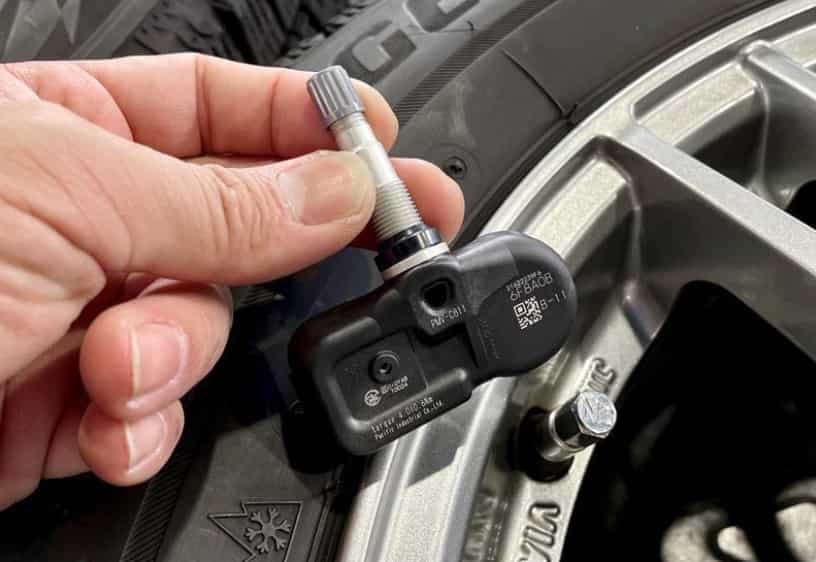
Does Nissan recommend a TPMS maintenance kit during a tire change is a common question among Nissan owners. Many drivers are unsure whether this service is required or just an optional recommendation.
When replacing tires, the TPMS system often gets overlooked. The TPMS maintenance kit plays an important role in keeping the valve seal tight and the sensor working correctly. Over time, these small parts wear out due to heat, moisture, and road conditions.
This is why understanding Nissan’s recommendation is important. It helps drivers decide whether to replace the TPMS maintenance kit during a tire change or keep the old components. In this guide, we explain Nissan’s approach, when replacement is needed, and why it matters for long term tire performance and safety.
What Is a TPMS Maintenance Kit?
A TPMS maintenance kit contains small parts that support the Tire Pressure Monitoring System. These parts include a valve core, valve cap, rubber seal, and retaining nut. They help secure the TPMS sensor inside the wheel.
The TPMS sensor cannot work well without these parts. Each component keeps the system sealed and stable. Nissan vehicles with metal valve stems rely on these seals to maintain proper tire pressure.
Heat, moisture, and road dirt affect these parts over time. This exposure slowly weakens the rubber and metal components. As a result, the seal can lose strength.
When the seal weakens, air may leak from the tire. The leak is usually slow and hard to notice at first. However, it can still lower tire pressure over time. It can also trigger TPMS warning lights on the dashboard.
The main purpose of a TPMS maintenance kit is prevention. The kit helps maintain a strong seal between the tire and the sensor. It also protects the TPMS sensor from damage.
The TPMS sensor costs much more than the maintenance kit. For this reason, many technicians replace the kit during tire service. They do this even when the old parts still look usable.
Old seals may appear fine but still lose performance. Small wear can create future air leaks. Replacing the kit during tire changes reduces this risk.
For Nissan owners, this is a simple maintenance step. It improves safety and keeps tire pressure stable. It also helps extend the life of the TPMS system.
Does Nissan Recommend Replacing the TPMS Maintenance Kit During a Tire Change?
Nissan does not always state it as a strict requirement in every service manual. However, Nissan service technicians often follow a preventive maintenance approach. They recommend replacing TPMS service kit components when changing tires.
This recommendation is based on wear and tear, not a fixed mileage rule. The small sealing parts around the TPMS sensor age over time. Nissan technicians understand that these parts lose effectiveness after long use.
In many Nissan service centers, technicians inspect the valve stem and seals during tire removal. If they find signs of wear, they replace the TPMS maintenance kit immediately. This helps avoid air leaks after the new tires are installed.
Nissan also focuses on system reliability. A faulty seal can cause pressure loss and trigger warning lights. Even if the TPMS sensor still works, a weak seal can create problems for the driver.
For this reason, Nissan supports replacing the kit as a best practice during tire service. It is not always mandatory, but it is strongly recommended in real-world maintenance situations.
Most Nissan models use either rubber snap-in or metal clamp-in TPMS systems. Metal systems especially benefit from new seals during tire changes. The cost of replacement is low compared to the cost of fixing a sensor failure later.
In summary, Nissan encourages inspection and replacement when needed. The goal is to maintain safety, prevent leaks, and keep the TPMS system accurate over time.
When Should You Definitely Replace the TPMS Maintenance Kit?
You should replace the TPMS maintenance kit in several clear situations. These cases help prevent air leaks and TPMS system issues.
The first situation is when your Nissan uses metal clamp in TPMS valve stems. These parts face more corrosion than rubber types. New seals help keep the system airtight.
The second situation is during every tire change. Tire removal exposes the valve stem and sealing parts. This is the best time to install a new kit. It reduces future risks after installation.
The third situation is when the vehicle is older. TPMS parts wear down after years of use. Even if they still look fine, they may no longer seal properly.
The fourth situation is when you notice air loss. A slow leak often comes from the valve area. Replacing the kit can fix this issue quickly.
The fifth situation is when the TPMS warning light appears often. A weak seal can trigger false alerts. New components help restore stable readings.
You should also replace the kit if the valve stem shows corrosion. Rust or dirt can damage the sealing surface. This increases the chance of air leakage.
In all these cases, replacement is a simple and low cost solution. It helps protect the TPMS sensor and keeps tire pressure stable. It also improves driving safety and reduces maintenance problems later.
What Happens If You Do Not Replace the TPMS Maintenance Kit?
If you do not replace the TPMS maintenance kit, several problems can appear over time. These issues often start small but can grow into larger maintenance costs.
The most common problem is slow air leakage. Old seals lose their strength and allow air to escape. The driver may not notice this immediately. Tire pressure then drops gradually.
Low tire pressure affects driving safety. It can reduce grip on the road and increase tire wear. It can also increase fuel consumption.
Another issue is frequent TPMS warning lights. A weak or damaged seal can confuse the system. The dashboard light may turn on even when the tire is not punctured.
You may also face sensor damage in the long term. When seals fail, moisture and dirt can enter the valve area. This can affect the TPMS sensor and reduce its lifespan.
Repair costs can also increase. Fixing a leak after tire installation often requires removing the tire again. This adds extra labor time and cost.
In some cases, drivers replace the TPMS sensor too early. They think the sensor is faulty when the real issue is the seal.
Overall, skipping the TPMS maintenance kit replacement can create avoidable problems. A small preventive part helps avoid bigger repairs and keeps the system stable.
How Much Does a TPMS Maintenance Kit Cost?
A TPMS maintenance kit is a low cost part compared to other tire system components. Most kits cost only a few dollars per wheel.
In many cases, the price ranges from five to twenty dollars per tire. The total cost depends on the vehicle model and the type of TPMS valve stem.
Labor cost is also low when you replace the kit during a tire change. The technician already removes the tire at this stage. Adding a new kit takes only a few extra minutes.
This cost is small compared to TPMS sensor replacement. A single TPMS sensor can cost several times more than a maintenance kit. Some sensors are expensive to replace and require programming.
A tire repair after air leakage can also increase total cost. If the seal fails later, the tire may need to be removed again. This adds extra labor charges.
Replacing the kit during tire installation helps avoid these extra expenses. It works as a preventive step that reduces long term costs.
For Nissan owners, this makes the decision simple. A small upfront cost helps prevent bigger repair bills later. It also improves system reliability and reduces maintenance stress.
In most cases, the value of replacing the TPMS maintenance kit is higher than the cost of skipping it.
Frequently Asked Questions
Does every Nissan require a TPMS maintenance kit during tire change?
Not every case requires it, but most Nissan vehicles benefit from it. Technicians often replace it as a preventive step.
Can TPMS sensors be reused when changing tires?
Yes, TPMS sensors can be reused if they still work properly. However, the service kit parts around them should be inspected and often replaced.
How long do Nissan TPMS sensors last?
Most TPMS sensors last five to ten years. The service kit parts usually wear out sooner than the sensor itself.
Will the TPMS light turn on after tire replacement?
It can happen if the system detects low pressure or a sealing issue. A weak valve seal is a common cause.
Is TPMS maintenance kit replacement expensive?
No, it is a low cost service. It is much cheaper than replacing a TPMS sensor or repairing air leaks later.
Can I skip replacing the TPMS maintenance kit?
You can skip it in some cases, but it increases the risk of leaks and future repair costs. Most technicians do not recommend skipping it.
Do all Nissan models use the same TPMS kit?
No, different Nissan models use different valve stem designs. Metal and rubber systems require different service kits.
Conclusion
Nissan does not always make TPMS maintenance kit replacement a strict requirement. However, most Nissan service technicians still recommend it during a tire change. They treat it as a preventive maintenance step rather than an optional upgrade.
The main reason is simple. TPMS seals and small valve components wear out over time. Heat, moisture, and road conditions slowly reduce their performance. When these parts weaken, they can cause air leaks and TPMS warning issues.
Replacing the TPMS maintenance kit during a tire change helps avoid these problems. It keeps the sealing system strong and protects the TPMS sensor from damage. It also reduces the risk of returning to the shop for repeat repairs.
For Nissan owners, the cost is low and the benefit is high. A small investment during tire installation can prevent larger repair costs later. It also improves safety and keeps tire pressure stable over time.
In most real world situations, replacing the TPMS maintenance kit is the smarter choice. It is not always mandatory, but it is widely considered best practice in Nissan tire maintenance.