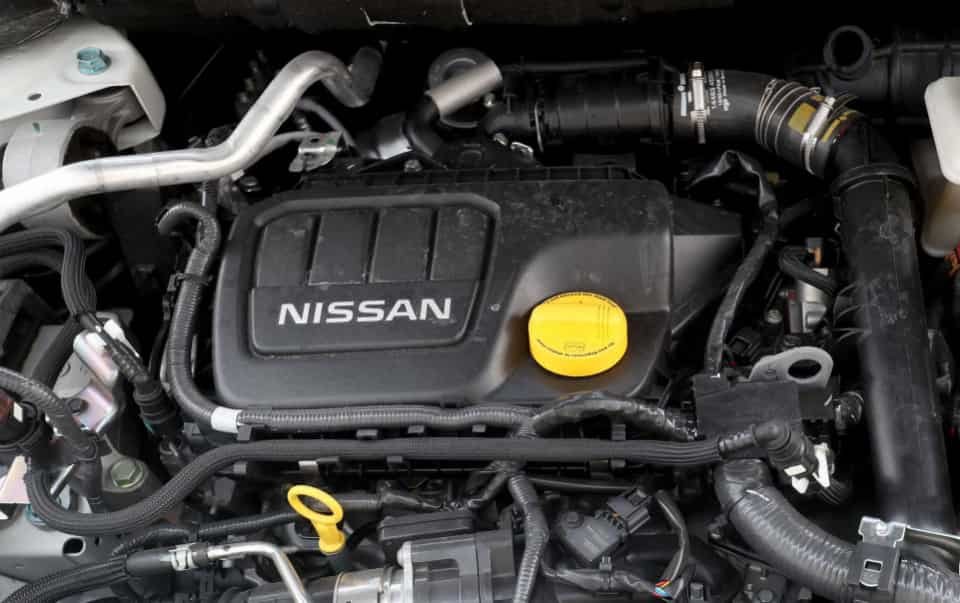
The Nissan 1.3 engine problems topic is important for many car owners who depend on this engine every day. This small engine offers good fuel efficiency and simple design, so many urban drivers choose it. Over time, however, it can develop performance issues that affect driving quality.
Many drivers notice early warning signs after several years of use. The car may lose power during acceleration. The engine may idle roughly at traffic lights. Fuel consumption can also increase without clear reason. These signs often point to underlying mechanical issues that need attention.
If you ignore these problems, the engine can suffer more serious damage. Repair costs will increase, and reliability will decrease over time. Early diagnosis helps prevent major failures and keeps the engine in better condition.
This guide explains Nissan 1.3 engine problems in detail. It covers common causes, clear symptoms, and practical fixes. You will also learn how different engine systems work together and how they affect performance. The goal is to help you identify problems early and maintain your engine more effectively.
Overview of the Nissan 1.3 Engine
The Nissan 1.3 engine is a small displacement engine designed for efficiency and everyday driving. Nissan built this engine for compact cars that operate mainly in urban conditions. It focuses on fuel economy, low maintenance cost, and stable performance in normal driving situations.
This engine uses a simple mechanical structure compared to larger and more complex powertrains. It delivers enough power for city traffic, short trips, and moderate highway driving. Many drivers choose it because it balances fuel savings with acceptable performance.
One key strength of the Nissan 1.3 engine is its fuel efficiency. The engine consumes less fuel than larger engines, especially in stop and go traffic. This makes it a practical choice for daily commuting. It also has a lightweight design, which helps improve overall vehicle efficiency.
However, this engine also has limitations. It does not deliver high power output, so it may feel weak during fast acceleration or when carrying heavy loads. Over time, some components can wear out faster if maintenance is inconsistent. Carbon buildup, ignition wear, and fuel system issues can also appear after long term use.
The engine relies on several key systems working together. These include the fuel injection system, ignition system, and cooling system. Each system plays an important role in maintaining smooth performance. If one system fails, the engine may start showing early symptoms of trouble.
Understanding how the Nissan 1.3 engine works helps you recognize problems early. It also helps you maintain the engine properly and extend its lifespan. Regular maintenance plays a major role in keeping this engine stable and reliable over time.
Most Common Nissan 1.3 Engine Problems
The Nissan 1.3 engine can develop several common problems as it ages. These issues often start small but can affect overall performance if you ignore them. Most of them relate to fuel delivery, ignition, and engine wear over time.
One of the most common issues is engine misfire. This happens when fuel does not burn properly inside the combustion chamber. Drivers may feel shaking, rough idling, or uneven acceleration. Worn spark plugs or ignition coils often cause this problem.
Another frequent issue is increased oil consumption. The engine may burn more oil than normal, especially in high mileage vehicles. This can happen due to worn piston rings or valve seals. Low oil levels can damage internal components if you do not check regularly.
Overheating is also a serious problem. It usually comes from cooling system failure. A damaged radiator, faulty thermostat, or low coolant level can cause engine temperature to rise quickly. If the engine overheats often, it can lead to major internal damage.
Loss of power is another symptom many drivers report. The car may feel slow during acceleration or struggle on hills. This problem often links to clogged fuel injectors or a weak fuel pump.
Rough idling is also common. The engine may shake or feel unstable when the car is stopped. Dirty throttle bodies or airflow sensor issues can trigger this condition.
These Nissan 1.3 engine problems usually develop over time. Early detection helps prevent costly repairs and keeps the engine stable. Regular maintenance reduces the risk of these issues and improves long term reliability.
Main Causes of Nissan 1.3 Engine Problems
Nissan 1.3 engine problems often come from a combination of mechanical wear and poor maintenance habits. Most issues do not appear suddenly. They develop slowly as key engine systems lose efficiency over time.
One major cause is carbon buildup inside the engine. When fuel does not burn completely, carbon deposits form in the combustion chamber. This reduces airflow and affects engine performance. It can also lead to misfires and poor fuel efficiency.
Worn spark plugs and ignition coils also create frequent problems. These components control the ignition process. When they weaken, the engine struggles to start combustion at the right time. This leads to rough idling, vibration, and loss of power.
Fuel system issues are another common cause. Dirty or clogged fuel injectors prevent proper fuel delivery. The engine then runs lean or uneven, which affects acceleration and stability. A weak fuel pump can also reduce fuel pressure and cause similar symptoms.
Cooling system failure plays a critical role as well. The engine depends on stable temperature control. A faulty thermostat, leaking radiator, or low coolant level can cause overheating. Repeated overheating increases the risk of serious engine damage.
Poor maintenance habits make these problems worse. Skipping oil changes allows dirt and sludge to build up inside the engine. Using low quality fuel or ignoring service schedules also shortens engine lifespan.
These causes often interact with each other. One small issue can trigger another system failure. Understanding these root causes helps you prevent Nissan 1.3 engine problems before they become expensive repairs.
Symptoms You Should Never Ignore
Nissan 1.3 engine problems often show clear warning signs before serious failure happens. Many drivers ignore these early symptoms and only notice the issue when the damage becomes expensive. Recognizing these signs early helps protect engine health.
One of the most important warning signs is the engine warning light. When this light turns on, the engine control unit has detected a fault. It may relate to fuel delivery, ignition issues, or sensor failure. You should never ignore this signal.
Unusual engine noise is another common symptom. You may hear knocking, ticking, or knocking sounds during acceleration. These noises often indicate internal wear or combustion issues. They usually get worse over time if you do not fix the cause.
Excessive vibration is also a strong warning sign. The engine may shake when idling or during low speed driving. This often connects to misfires, worn spark plugs, or engine mount problems.
Smoke from the exhaust can also indicate serious issues. Blue smoke often means oil burning inside the engine. Black smoke usually points to fuel system problems. White smoke can indicate coolant entering the combustion chamber.
Reduced acceleration is another clear symptom. The car feels slow even when you press the accelerator. This can result from fuel injector clogging, air intake issues, or ignition system failure.
These symptoms usually appear gradually. Drivers who pay attention early can avoid major Nissan 1.3 engine problems. Regular inspection helps detect these signs before they lead to costly repairs.
Diagnosis and Troubleshooting Methods
Diagnosing Nissan 1.3 engine problems requires a clear and structured approach. Most engine issues share similar symptoms, so proper testing helps identify the exact cause. You should never rely only on observation without checking key systems.
The first step is using an OBD2 scanner. This tool reads error codes from the engine control unit. These codes point to specific issues such as misfires, sensor failures, or fuel system errors. This method gives a fast and accurate starting point for diagnosis.
A visual inspection also helps identify obvious problems. You should check for oil leaks, loose connectors, or damaged hoses. Small issues in the engine bay can often lead to bigger performance problems if ignored.
The fuel system should also be tested. Dirty or clogged fuel injectors can reduce fuel flow. A mechanic may clean or test injector performance to ensure proper fuel delivery. Fuel pressure should also stay within the correct range.
The ignition system requires careful inspection as well. Worn spark plugs or weak ignition coils often cause misfires. Replacing these parts can quickly improve engine performance in many cases.
A compression test provides deeper insight into engine health. It measures pressure inside each cylinder. Low compression often indicates internal wear such as piston ring or valve problems.
Cooling system checks are also important. You should inspect coolant levels, radiator condition, and thermostat function. Overheating issues often start from small cooling failures.
A structured diagnostic process helps reduce guesswork. It allows you to find the real cause of Nissan 1.3 engine problems and avoid unnecessary repairs.
Fixes, Repair Solutions, and Cost Factors
Fixing Nissan 1.3 engine problems depends on the severity and the root cause of the issue. Some problems are simple and affordable to repair, while others require advanced mechanical work. Early diagnosis always reduces repair costs and prevents further damage.
Basic fixes often solve minor engine issues. Replacing spark plugs is one of the most common solutions. Worn spark plugs cause misfires and rough idling, and a simple replacement can restore stable engine performance. Regular oil changes also help remove sludge and reduce internal friction.
Cleaning fuel injectors is another effective solution. Dirty injectors reduce fuel efficiency and cause uneven combustion. Professional cleaning or injector replacement can improve acceleration and smooth engine operation.
In some cases, more advanced repairs are necessary. A faulty ignition coil may require replacement if the engine continues to misfire. Cooling system issues may require radiator repair, thermostat replacement, or coolant system flushing to prevent overheating.
Severe Nissan 1.3 engine problems may involve internal engine repair. Worn piston rings, valve seals, or head gasket failure can lead to oil burning, compression loss, or overheating. These repairs are more complex and often require partial or full engine rebuild.
Repair costs vary depending on the problem. Simple maintenance like spark plug replacement or oil change is relatively low cost. Fuel injector service and ignition system repair cost more but remain manageable. Major engine rebuilds can become expensive due to labor and parts replacement.
Driving habits and maintenance history also affect total cost. Engines with regular service schedules usually require fewer expensive repairs. Ignoring early symptoms increases long term costs significantly.
Understanding repair options helps you make better decisions when dealing with Nissan 1.3 engine problems and avoids unnecessary expenses.
How to Prevent Nissan 1.3 Engine Problems
Preventing Nissan 1.3 engine problems is easier and cheaper than repairing major engine damage. Most engine failures develop over time due to poor maintenance habits. A consistent care routine can significantly extend engine lifespan and improve performance.
Regular oil changes are the most important preventive step. Clean engine oil reduces friction and keeps internal components working smoothly. Old or dirty oil increases wear and can lead to sludge buildup inside the engine. You should follow the manufacturer recommended service interval without delay.
Air filter maintenance also plays an important role. A clogged air filter reduces airflow and affects combustion efficiency. Replacing the air filter on time helps the engine breathe properly and improves fuel economy.
Fuel quality also affects engine health. Low quality fuel can cause carbon deposits and injector clogging. Using stable, high quality fuel reduces long term engine problems and improves combustion stability.
Cooling system maintenance is another key factor. You should regularly check coolant levels and inspect the radiator for leaks. A properly functioning cooling system prevents overheating and protects internal engine parts from damage.
Driving habits also influence engine longevity. Smooth acceleration and avoiding excessive engine load help reduce stress on components. Frequent short trips without proper warm up can also increase wear over time.
Scheduled inspections help detect early issues before they become serious. Mechanics can identify small problems in the ignition, fuel, or cooling system before they cause major Nissan 1.3 engine problems.
A proactive maintenance approach keeps the engine stable, improves reliability, and reduces long term repair costs.
Conclusion
Nissan 1.3 engine problems usually develop over time due to wear, maintenance habits, and the condition of key engine systems. Most issues start with small warning signs such as rough idling, reduced power, or higher fuel consumption. These early symptoms often point to deeper problems in the fuel system, ignition system, or cooling system.
Understanding these problems helps you take action before serious damage occurs. When you identify the root cause early, you can avoid expensive repairs such as engine rebuilds or major component replacements. Regular inspection and proper maintenance play a key role in keeping the engine stable and reliable.
This guide covered the most common causes, symptoms, diagnostic methods, repair solutions, and prevention strategies for Nissan 1.3 engine problems. Each section is designed to help you understand how the engine behaves and what actions you should take in different situations.
If you maintain a consistent service schedule, use quality fuel, and respond quickly to warning signs, you can significantly extend the lifespan of your engine. Prevention always costs less than repair, and small actions today can prevent major failures in the future.
In short, the Nissan 1.3 engine can remain reliable for many years when properly maintained. The key is to stay proactive, pay attention to early symptoms, and treat small issues before they become serious problems.