
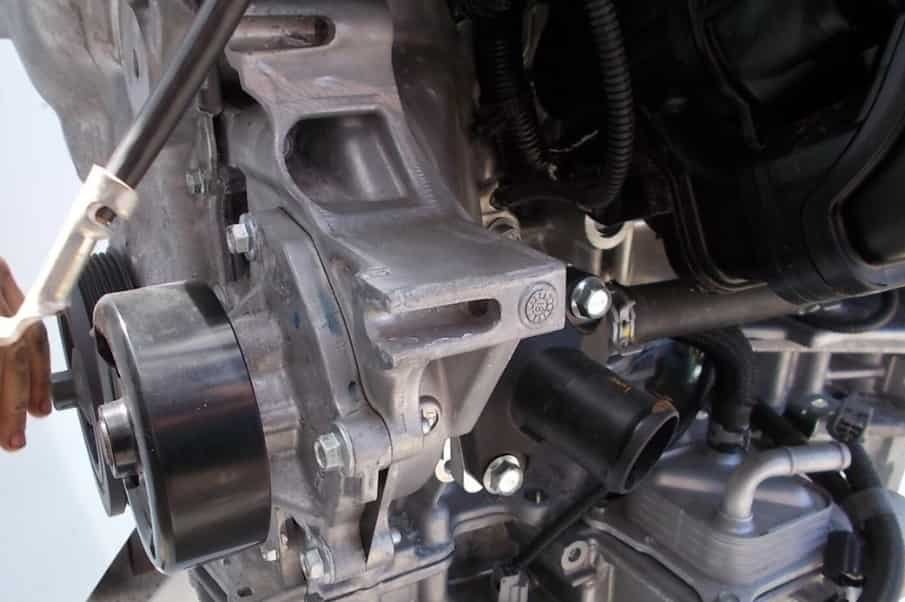
The Nissan 2.5 engine is widely used across many mainstream vehicles produced by Nissan. It appears in popular models such as the Altima and Rogue, where it serves as a core powertrain option. Many drivers choose this engine because it offers a balance of fuel efficiency, affordability, and everyday usability.
However, this engine has also raised concerns among long term owners. Many people actively report Nissan 2.5 engine problems after several years of use. These issues do not affect every vehicle in the same way, but they appear often enough to attract attention from buyers and mechanics.
The QR25DE engine, which represents the most common version of the Nissan 2.5 liter family, has both strengths and weaknesses. Some owners experience smooth performance and high mileage without major issues. Others face problems such as oil consumption, timing chain noise, or engine misfires during ownership.
This guide explains Nissan 2.5 engine problems in a clear and practical way. It breaks down the main causes, early symptoms, and long term reliability factors. It also helps you understand which model years are more stable and what repair costs you may face.
If you plan to buy a used Nissan or already own one with this engine, this information will help you make better decisions and avoid unexpected mechanical risks.
Common Nissan 2.5 Engine Problems
One of the most reported Nissan 2.5 engine problems is excessive oil consumption. Many drivers notice that the engine loses oil between service intervals even when no external leaks appear. This issue becomes more obvious as mileage increases. Internal wear in piston rings and valve seals often causes this condition. These worn components allow engine oil to enter the combustion chamber, where the engine burns it during normal operation. Drivers who ignore regular oil checks often face low lubrication levels, which increase friction inside the engine. This situation raises the risk of overheating and long term mechanical damage.
Timing chain noise is another common problem in the Nissan 2.5 engine. Many owners hear a rattling sound during cold starts or after long parking periods. The timing chain tensioner depends on stable oil pressure to maintain proper operation. When oil pressure drops at startup, the tensioner may not fully engage the chain. This condition creates temporary looseness and produces noise. Over time, repeated stress can stretch the timing chain and reduce engine timing accuracy. Poor timing performance often affects fuel efficiency and engine smoothness.
Engine misfires also occur in some Nissan 2.5 engines. A misfire happens when a cylinder fails to complete proper combustion. Worn spark plugs and faulty ignition coils often trigger this issue. Carbon buildup inside the intake system can also contribute to unstable combustion. Drivers usually experience rough idling, reduced acceleration, and higher fuel consumption. The check engine light often appears when the system detects repeated misfires. Early diagnosis helps prevent damage to catalytic converters and other engine components.
Another issue involves overheating in certain driving conditions. A weak cooling system or clogged radiator can reduce heat dissipation. When the engine runs at high temperature for extended periods, internal components experience faster wear. Regular maintenance helps reduce this risk and improves long term reliability.
Root Causes of Nissan 2.5 Engine Problems
Nissan 2.5 engine problems do not appear randomly. They usually develop from a combination of design characteristics, maintenance habits, and driving conditions. The QR25DE engine, which powers many models such as the Nissan Altima and Nissan Rogue, was built for efficiency and mass production. This focus created certain long term sensitivities that become more visible as mileage increases.
One major cause comes from lubrication dependency. The engine relies heavily on clean and stable oil flow to protect internal components. When drivers extend oil change intervals or use low quality oil, friction increases inside the engine. This condition accelerates wear on piston rings, timing chain tensioners, and valve components. Over time, this leads to oil consumption, timing noise, and reduced engine smoothness.
Heat management also plays a key role. The cooling system in many Nissan 2.5 engines works efficiently under normal conditions, but it becomes less effective when components age. A partially clogged radiator or weak thermostat can reduce heat dissipation. When the engine operates at higher temperatures for long periods, internal wear increases and performance gradually declines.
Another contributing factor is carbon buildup. Direct and multi port injection systems in different QR25DE generations can allow carbon deposits to form in the intake system. These deposits disrupt air flow and combustion balance. As a result, drivers may experience misfires, rough idling, and reduced acceleration.
Driving environment also influences engine health. Frequent stop and go traffic, short trips, and aggressive acceleration increase engine stress. These conditions prevent the engine from reaching optimal operating temperature and reduce lubrication efficiency over time.
Symptoms of a Failing Nissan 2.5 Engine
A failing Nissan 2.5 engine usually shows clear warning signs before serious damage occurs. These symptoms often appear gradually, which gives drivers time to detect problems early and reduce repair costs. Understanding these signs helps owners of vehicles such as the Nissan Altima and Nissan Rogue respond before the engine condition worsens.
One of the earliest symptoms is the check engine light. The onboard diagnostic system detects irregular combustion, sensor issues, or misfires and activates the warning indicator. Drivers should never ignore this light because it often signals underlying engine problems that may worsen over time.
Another common symptom is abnormal engine noise. Drivers may hear knocking, ticking, or rattling sounds during startup or while idling. These noises often indicate timing chain wear, low oil pressure, or internal mechanical stress. When the engine produces unusual sounds consistently, it often signals that internal components are not operating smoothly.
Poor acceleration is another clear indicator. The engine may feel sluggish when the driver presses the accelerator. This happens when combustion efficiency decreases due to misfires, carbon buildup, or fuel delivery issues. In many cases, the vehicle also consumes more fuel than usual.
Rough idling is another noticeable symptom. The engine may vibrate or shake when the vehicle is stopped. This condition usually results from ignition coil failure, worn spark plugs, or uneven combustion across cylinders.
Drivers may also notice exhaust smoke changes. Blue smoke often indicates oil burning inside the combustion chamber, while white smoke may suggest coolant leakage. Both conditions require immediate inspection.
These symptoms often appear together rather than individually. Early detection and maintenance help improve long term reliability and reduce the risk of severe Nissan 2.5 engine problems.
Nissan 2.5 Engine Reliability Analysis
The overall reliability of the Nissan 2.5 engine depends heavily on maintenance quality, driving habits, and model year. The QR25DE engine used in vehicles like the Nissan Altima and Nissan Rogue has been on the market for many years, which allows a clear picture of its long term behavior. In general, this engine can deliver solid mileage, but it also shows predictable weak points that affect long term ownership experience.
In normal conditions, many drivers report that the engine can reach high mileage without catastrophic failure. Regular oil changes and proper cooling system maintenance significantly improve durability. When owners follow factory maintenance schedules, the engine often performs smoothly for years with minimal major repairs. This explains why Nissan continues to use this engine architecture across different generations.
However, reliability decreases when maintenance is neglected. Oil consumption becomes more severe over time, especially in high mileage engines. Timing chain components also wear faster when oil quality is inconsistent. These issues do not usually appear early, but they become more common as the engine ages beyond average mileage ranges.
Compared to competitors in the same segment, such as engines from Toyota, the Nissan 2.5 engine shows slightly higher sensitivity to maintenance conditions. While it is not considered unreliable, it requires more consistent care to maintain peak performance. Engines that receive poor maintenance often develop symptoms like misfires, noise, and reduced efficiency earlier than expected.
Despite these weaknesses, the QR25DE remains widely used because of its balance between cost, efficiency, and adequate power. For many owners, it still provides acceptable long term reliability if they understand its limitations and maintain it properly.
Repair Costs and Prevention Guide for Nissan 2.5 Engine Problems
Repair costs for Nissan 2.5 engine problems vary depending on the severity of the issue and how early the driver identifies the symptoms. In many cases, early maintenance costs remain manageable, but delayed repairs can become significantly more expensive. Understanding these cost ranges helps owners of vehicles like the Nissan Altima and Nissan Rogue plan their maintenance budget more effectively.
Oil consumption issues are usually the most common concern. In mild cases, drivers only need more frequent oil top ups and regular oil changes, which keep costs relatively low. However, if the problem becomes severe, internal repairs such as piston ring replacement may be required. This type of repair often involves labor intensive engine work, which increases total cost significantly.
Timing chain related repairs are more expensive. When timing chain noise is detected early, replacing the tensioner or related components can prevent major damage. If the chain stretches or fails, the engine may require extensive repair work, which increases both parts and labor expenses. This is why early diagnosis is critical.
Misfire related repairs are usually more affordable. Replacing spark plugs or ignition coils typically solves the issue. However, if carbon buildup becomes severe, additional cleaning or intake servicing may be required. These preventive services help restore engine smoothness and fuel efficiency.
Cooling system maintenance also plays an important role in cost control. Replacing a thermostat, radiator, or coolant components is relatively inexpensive compared to repairing an overheated engine. When overheating is ignored, it can lead to head gasket damage or internal engine failure, which significantly increases repair costs.
Overall, consistent maintenance is the most effective way to reduce long term expenses. Regular oil changes, cooling system checks, and early symptom detection help prevent most major Nissan 2.5 engine problems from becoming costly repairs.
Which Nissan Models Are Most Affected by Nissan 2.5 Engine Problems
Nissan 2.5 engine problems do not affect every vehicle in the same way. The impact depends on the model, generation, and how the engine is used over time. The QR25DE engine has been installed in several popular vehicles from Nissan, but some models show more frequent reports of issues than others due to weight, usage patterns, and tuning differences.
The Nissan Altima is one of the most common models associated with the 2.5 liter engine. Many owners report long term oil consumption and timing chain noise, especially in higher mileage vehicles. Since the Altima is often used as a daily commuter car, it experiences frequent stop and go driving. This driving pattern increases engine stress and makes underlying issues more noticeable over time.
The Nissan Rogue also uses the same engine in many generations. In this SUV, engine strain can be higher because of the vehicle’s weight and utility focused usage. Drivers often notice reduced acceleration performance and increased fuel consumption when the engine ages. Cooling system efficiency also becomes more important in this model due to heavier load conditions.
Other models such as the Nissan Sentra and Nissan X Trail also use variations of the 2.5 engine in certain markets. These vehicles tend to show similar symptoms, but severity can differ based on maintenance history and driving environment.
In general, no single model is completely immune to Nissan 2.5 engine problems. However, vehicles that experience frequent short trips, poor maintenance, or heavy urban traffic tend to show issues earlier. On the other hand, well maintained vehicles used mainly for highway driving often achieve higher mileage with fewer major repairs.
Understanding how each model interacts with the engine helps buyers make better decisions and avoid unexpected long term ownership costs.
How to Prevent Nissan 2.5 Engine Problems
Preventing Nissan 2.5 engine problems depends mostly on consistent maintenance and correct driving habits. The QR25DE engine can perform well for a long time when owners follow proper care routines. Most serious issues such as oil consumption, timing chain noise, and misfires develop gradually, so early prevention makes a significant difference in long term reliability.
Regular oil changes are the most important factor. Clean engine oil protects internal components from friction and heat. When drivers extend oil change intervals too long or use low quality oil, engine wear increases quickly. Keeping a stable oil change schedule helps reduce piston ring wear and supports proper timing chain operation.
Cooling system maintenance also plays a key role. Drivers should regularly check coolant levels, radiator condition, and thermostat performance. A healthy cooling system prevents overheating and reduces stress on engine components. Even small cooling issues can escalate into serious engine damage if ignored.
Spark plug and ignition coil inspections help prevent misfires. Replacing worn components at the correct interval improves combustion stability and keeps the engine running smoothly. Cleaning the intake system can also reduce carbon buildup and improve airflow efficiency.
Driving habits also affect engine health. Smooth acceleration, avoiding frequent short trips, and allowing the engine to warm up properly can reduce long term wear. Highway driving generally puts less stress on the engine compared to constant stop and go traffic.
Conclusion
The Nissan 2.5 engine offers a balanced combination of efficiency, affordability, and everyday usability. However, it also has known weak points that owners should understand. Most Nissan 2.5 engine problems develop slowly and become more noticeable with higher mileage, especially when maintenance is inconsistent.
The QR25DE engine can still deliver strong long term performance when properly maintained. Many drivers achieve high mileage without major failures, but this requires regular servicing and attention to early warning signs. Issues such as oil consumption, timing chain noise, and misfires are manageable when detected early.
For buyers considering a used Nissan, understanding these risks is essential. A well maintained vehicle can still be a reliable choice, while neglected maintenance can lead to expensive repairs. Careful inspection and preventive maintenance remain the best strategies for long term ownership satisfaction.
Ultimately, the Nissan 2.5 engine is not inherently bad, but it is sensitive to maintenance quality. Owners who stay proactive will get significantly better reliability and lower repair costs over time.