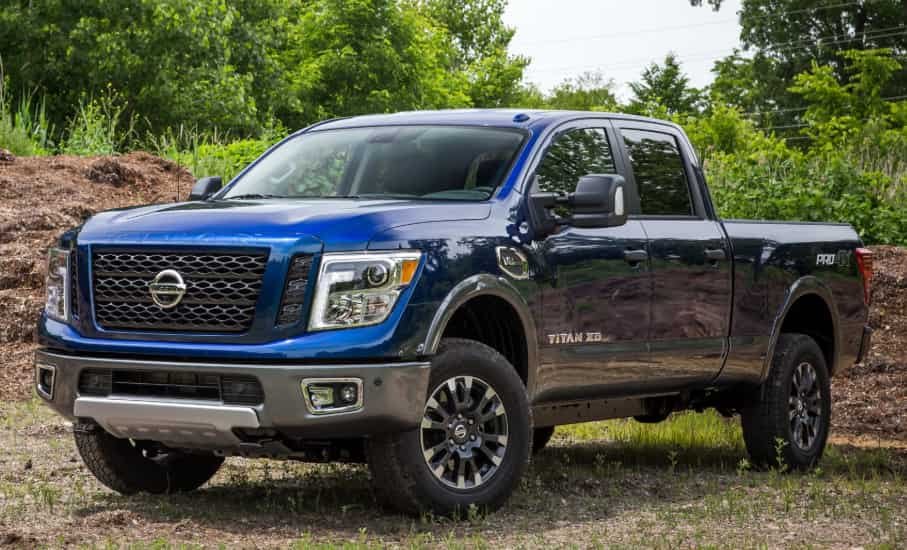
The 5.6 liter V8 engine in the Nissan Titan delivers strong power and solid towing performance. Many drivers choose it for work and heavy use. However, owners of Nissan Titan often report engine problems as the vehicle ages and mileage increases.
This guide explains Nissan Titan 5.6 engine problems in a clear and structured way. It focuses on common issues, main causes, and early symptoms. You will understand how the VK56DE engine develops faults over time and what signs appear first.
Many engine issues start small. Drivers may notice noise during cold starts or slight performance loss. Some engines also consume more oil than expected. These symptoms often point to deeper mechanical wear inside the engine.
This article uses a semantic SEO structure to connect related problems in one system. It explains not only what fails but also why it fails. This approach helps readers understand the full picture instead of isolated issues.
By the end of this guide, you will know how to identify early warning signs. You will also understand how to reduce risk and extend engine life through proper maintenance and timely repair decisions.
Overview of the Nissan Titan 5.6 Engine
The Nissan Titan uses a 5.6 liter V8 engine that focuses on torque, towing strength, and long distance durability. This engine belongs to the VK family and appears in different versions depending on model year. The two most common versions are VK56DE and VK56VD. Both are used in Nissan Titan and share the same core design philosophy but differ in fuel system and technology level.
The VK56DE is the older version. It uses a port injection system. This design keeps the engine simple and easier to maintain. It also handles fuel quality variations better. Many mechanics consider it more stable under long term use. However, it still shows wear issues when mileage becomes high.
The VK56VD is the newer version. It uses direct injection technology. This improves fuel efficiency and power delivery. It also increases combustion pressure inside the engine. As a result, it creates more stress on internal components over time.
Both engines deliver strong performance for towing and heavy loads. The Titan feels powerful even under full payload conditions. This makes it popular for work trucks and utility use.
However, both versions also share weak points. Heat management becomes critical under heavy load. Oil quality affects engine life significantly. Timing components also wear faster when maintenance is delayed.
In short, the 5.6 engine is powerful but sensitive to long term stress. It performs well when maintained properly but can develop issues when maintenance is inconsistent or delayed.
Common Nissan Titan 5.6 Engine Problems
The 5.6 liter V8 engine in the Nissan Titan is known for strong performance, but it also develops several recurring issues over time. These problems often appear gradually and become more noticeable as mileage increases in Nissan Titan.
One of the most common issues is oil consumption. Many owners notice that the engine slowly burns more oil than expected. This usually happens when internal seals and piston rings begin to wear. The problem may start small but becomes more serious if oil levels are not checked regularly.
Another frequent issue is timing chain noise. Drivers often hear a rattling sound during cold starts. This sound usually indicates wear in the timing chain system or tensioners. If ignored, it can lead to poor engine timing and reduced performance.
Misfires also appear in many high mileage engines. These misfires often come from worn spark plugs or ignition coils. In some cases, fuel delivery problems also contribute to uneven combustion.
Engine knocking is another concern. It usually occurs under load or acceleration. This condition may point to fuel quality issues or internal wear inside the combustion chamber. If the knocking continues, it can lead to serious engine damage.
Sensor failures are also reported. Camshaft and crankshaft sensors can fail and trigger warning lights. When this happens, the engine may run rough or enter reduced power mode.
Overall, these issues do not always appear at the same time. They develop gradually based on driving habits, maintenance quality, and mileage. Early detection plays a key role in preventing major repair costs.
Root Causes of Engine Problems
Most Nissan Titan 5.6 engine problems do not appear randomly. They develop from clear mechanical and maintenance related causes. When owners understand these root causes, they can prevent serious damage early in the life of Nissan Titan.
One major cause is poor oil maintenance. When oil changes are delayed, lubrication breaks down. Engine parts start to experience higher friction. This leads to faster wear in the timing chain system, piston rings, and internal seals. Over time, this wear creates oil consumption and noise issues.
Heat is another important factor. The 5.6 V8 engine generates high temperatures under towing or heavy load conditions. If the cooling system does not work efficiently, heat builds up inside the engine. This extra heat accelerates component fatigue and reduces long term reliability.
Carbon buildup also plays a role, especially in direct injection versions like the VK56VD. Fuel injectors spray directly into the combustion chamber. This can lead to carbon deposits on intake valves. These deposits reduce airflow and affect combustion quality. As a result, the engine may lose power or develop rough idle.
Another cause is timing system stress. The timing chain works under constant tension. When oil quality drops or maintenance is ignored, the chain and tensioners wear faster. This creates rattling noise and timing inconsistencies.
Driving style also influences engine health. Frequent short trips, heavy acceleration, and towing without proper warm up increase engine stress. These habits shorten engine life and increase the chance of early failure.
In summary, Nissan Titan 5.6 engine problems usually come from a combination of maintenance habits, heat stress, and long term mechanical wear rather than a single defect.
Symptoms and Early Warning Signs
Early detection plays a key role in preventing serious Nissan Titan 5.6 engine problems. Most failures in Nissan Titan do not happen suddenly. The engine usually shows clear warning signs before major damage occurs.
One of the first symptoms is unusual engine noise during cold starts. Many drivers notice a brief rattling sound when starting the engine in the morning. This often points to timing chain wear or weak tensioners. The sound may disappear after warming up, but it still indicates early mechanical stress.
Another common sign is increased oil consumption. The engine may require frequent oil top-ups between service intervals. This happens when internal seals or piston rings lose efficiency. If ignored, it can lead to low oil pressure and further internal wear.
Loss of power is also a clear warning sign. The vehicle may feel slower during acceleration or struggle when carrying heavy loads. This usually reflects combustion inefficiency or ignition system issues.
Rough idle is another symptom. The engine may shake slightly when the vehicle is stopped. This often comes from misfires, dirty injectors, or worn spark plugs.
The check engine light is also a strong indicator. When this light appears, the engine control unit has detected abnormal performance. Common triggers include sensor failures, misfires, or fuel system imbalance.
Fuel consumption changes can also signal early problems. If the engine starts using more fuel than usual, it may indicate poor combustion or airflow restrictions.
In most cases, these symptoms appear gradually. Drivers who recognize them early can prevent expensive repairs and extend engine life significantly.
Diagnosis and Repair Solutions
When Nissan Titan 5.6 engine problems appear, proper diagnosis is the most important step before any repair decision. Many owners of Nissan Titan spend unnecessary money because they replace parts without identifying the real cause first.
The first diagnostic step is using an OBD2 scanner. This tool reads error codes from the engine control unit. These codes help identify issues such as misfires, sensor failures, or fuel system imbalance. A proper scan reduces guesswork and saves repair cost.
The next step is timing chain inspection. A mechanic listens for rattling noise during cold starts and checks chain tension. If the chain is loose or the tensioner is weak, replacement may be required. Ignoring this issue can lead to incorrect engine timing and serious damage.
Oil consumption testing is also important. The technician monitors oil level over a set driving distance. If oil drops significantly without external leaks, internal wear is likely present. This usually points to piston ring or seal degradation.
Sensor inspection is another key step. Camshaft and crankshaft sensors can fail intermittently. When this happens, the engine may run unevenly or enter limp mode. Replacing faulty sensors often restores normal performance quickly.
In some cases, fuel system cleaning is required. Dirty injectors can disrupt combustion and cause rough idle or misfires. Cleaning or replacing injectors improves engine smoothness and fuel efficiency.
Repair decisions depend on severity. Minor issues like sensors or spark plugs are affordable to fix. However, internal damage such as timing chain failure or severe oil burning may require major repair or even engine rebuild.
Understanding the real cause before repairing helps avoid unnecessary costs and ensures long term engine stability.
Preventive Maintenance Strategy
Preventive maintenance is the most effective way to reduce Nissan Titan 5.6 engine problems and extend engine lifespan. Many issues found in Nissan Titan do not come from design failure alone. They often come from delayed or inconsistent maintenance habits.
The most important maintenance task is regular oil change. The 5.6 liter V8 engine depends heavily on clean oil for lubrication and cooling. Using high quality synthetic oil and changing it at proper intervals helps reduce wear on timing components and internal parts.
Cooling system maintenance is also critical. The engine generates high heat under load, especially during towing. A clean radiator, proper coolant level, and a healthy thermostat help prevent overheating. Heat control directly affects long term engine durability.
Spark plug replacement is another key factor. Worn spark plugs reduce combustion efficiency and can lead to misfires. Replacing them at recommended intervals keeps the engine running smoothly and improves fuel economy.
Fuel system cleaning also helps maintain performance. Over time, injectors can become dirty and affect fuel spray quality. Cleaning the injectors restores proper combustion and reduces rough idle issues.
Driving habits also play an important role. Gentle acceleration, proper warm up before heavy driving, and avoiding constant short trips reduce engine stress. These habits significantly lower the risk of early wear.
Consistent maintenance creates stability in engine performance. Most serious problems develop slowly, and proper care can prevent them from becoming expensive repairs.
Conclusion
Understanding Nissan Titan 5.6 engine problems helps owners make better decisions about maintenance, repair, and long term ownership. While the engine in Nissan Titan delivers strong performance and towing capability, it still develops predictable issues as mileage increases.
Most problems such as oil consumption, timing chain noise, misfires, and engine knocking do not appear suddenly. They develop gradually and show clear warning signs. Recognizing these signs early allows drivers to avoid major engine damage and reduce repair costs.
The root causes usually come from maintenance habits, heat stress, and natural wear over time. This means the engine can remain reliable if it is properly cared for. Regular oil changes, cooling system maintenance, and timely part replacement are the most effective ways to extend engine life.
In the end, the Nissan Titan 5.6 engine is not defined only by its weaknesses but also by how well it is maintained. With the right approach, it can remain a strong and dependable V8 engine for many years.