Nissan engine sludge problems are a common issue that affects long-term engine performance in vehicles from Nissan. This problem develops slowly inside the engine and often goes unnoticed in the early stages.
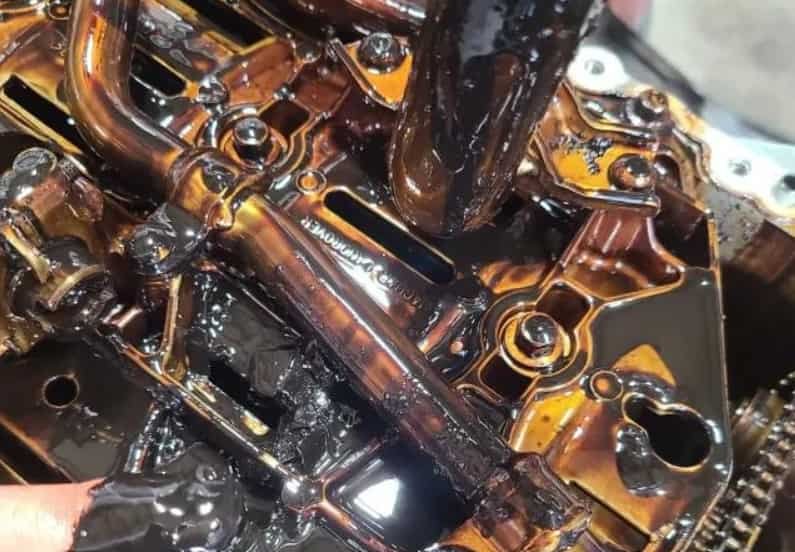
Engine sludge forms when engine oil breaks down due to heat, time, and contamination. As oil degrades, it loses its ability to lubricate engine parts properly. Thick deposits then start to build up inside the engine. These deposits can block oil passages and reduce oil flow.
Many drivers do not notice the problem until symptoms appear. The engine may still run normally while sludge continues to accumulate. Over time, the engine begins to lose performance. Drivers may notice rough idling, reduced power, or higher engine temperature.
This issue becomes more serious when drivers skip oil changes or use low-quality oil. Short trips and frequent stop-and-go driving can also increase the risk. These conditions prevent the engine from reaching optimal temperature and speed up oil breakdown.
Understanding Nissan engine sludge problems helps drivers protect engine health. Early awareness allows better maintenance decisions. Proper oil care and regular servicing can prevent expensive engine damage.
This article explains the main causes of sludge formation. It also covers symptoms and proven prevention methods to improve engine longevity.
What Is Engine Sludge and How It Forms
Engine sludge is a thick and sticky substance that forms inside an engine when engine oil breaks down. It builds up over time and sticks to internal engine parts. In vehicles from Nissan, sludge can become a serious problem if oil maintenance is not done correctly.
Sludge starts with engine oil degradation. Heat is one of the main causes. When the engine runs at high temperature, the oil begins to lose its chemical stability. Oxygen and combustion byproducts also speed up this process. As the oil breaks down, it turns darker and thicker. It also loses its ability to protect engine components.
Contamination makes the problem worse. Dirt, carbon particles, and fuel residue mix with the oil during normal driving. If the oil is not changed on time, these contaminants stay inside the engine. They gradually combine and form deposits. These deposits then turn into sludge and start blocking oil flow.
Driving habits also affect sludge formation. Short trips are especially harmful. The engine does not reach full operating temperature during short drives. This allows moisture and fuel vapor to stay inside the crankcase. These elements dilute the oil and speed up breakdown.
Once sludge starts forming, it spreads slowly through the engine. It can affect oil passages, valve areas, and moving parts. This reduces lubrication and increases friction. Over time, the engine becomes less efficient and more vulnerable to damage.
Main Causes of Nissan Engine Sludge Problems
Nissan engine sludge problems usually develop over time due to a combination of maintenance habits, driving behavior, and engine operating conditions. In vehicles from Nissan, these factors can significantly accelerate oil degradation and lead to sludge buildup inside the engine if not properly controlled.
One of the main causes is delayed or irregular oil changes. Engine oil has a limited lifespan. When it is not replaced on time, it becomes thick, dirty, and less effective at protecting engine components. Old oil loses its ability to clean internal parts and begins to break down under heat and pressure. This creates an ideal environment for sludge formation.
Another important factor is the use of low-quality or incorrect engine oil. When oil does not meet the correct viscosity or manufacturer standards, it cannot maintain stable lubrication. It breaks down faster and allows contaminants to circulate inside the engine. Over time, these contaminants combine with degraded oil and form sludge deposits.
Driving patterns also play a major role. Many drivers make frequent short trips where the engine does not reach its optimal operating temperature. This prevents moisture and fuel vapors from fully evaporating. These unwanted elements mix with engine oil and speed up its deterioration. As a result, sludge begins to form more quickly inside the crankcase and oil passages.
Engine overheating further increases the risk. High temperatures cause oil oxidation and reduce its chemical stability. When the cooling system is not working efficiently, the oil breaks down even faster. This accelerates sludge buildup and reduces overall engine protection.
In addition, a faulty PCV system can make the problem worse. When crankcase ventilation is blocked, pressure builds up inside the engine. This traps contaminants and increases oil degradation, which leads to faster sludge formation over time.
Symptoms of Nissan Engine Sludge Problems
Nissan engine sludge problems often develop silently, which makes early detection difficult for many drivers. In vehicles from Nissan, sludge can build up over time before clear symptoms appear. However, as the condition worsens, the engine begins to show noticeable warning signs that indicate internal oil flow and lubrication issues.
One of the first symptoms is a drop in engine performance. The vehicle may feel less responsive during acceleration, and overall power output can decrease. This happens because sludge restricts oil circulation and reduces the engine’s ability to operate efficiently. Rough idling is also common, especially when the engine is cold or under load.
Another clear warning sign is unusual engine noise. Drivers may hear ticking, knocking, or grinding sounds coming from the engine. These noises often indicate poor lubrication between moving parts. When sludge blocks oil passages, critical components do not receive enough oil, which increases friction and mechanical stress.
Oil-related warning lights may also appear on the dashboard. Low oil pressure is a serious symptom that often signals restricted oil flow caused by sludge buildup. In some cases, the engine may also run hotter than normal. Overheating occurs because the oil can no longer absorb and transfer heat effectively.
Changes in engine oil condition can also help identify the problem. Dirty oil becomes thick, dark, and sticky instead of smooth and clean. In severe cases, it may have a burnt smell. These changes suggest that the oil has degraded and may already be contaminated with sludge particles.
If these symptoms are ignored, the engine can suffer long-term damage. Early detection and maintenance are essential to prevent costly repairs and maintain engine longevity.
Consequences of Ignoring Engine Sludge
If Nissan engine sludge problems are ignored for too long, the damage can become severe and expensive. In vehicles from Nissan, sludge does not stay in one area. It spreads through the oil system and gradually affects every critical engine component.
One of the first major consequences is restricted oil flow. Sludge can block narrow oil passages and reduce circulation inside the engine. When oil cannot reach key parts, friction increases quickly. Metal components begin to wear faster than normal, even during regular driving conditions.
As the problem continues, engine performance drops significantly. The vehicle may feel weak, slow to accelerate, or unstable at idle. This happens because internal parts are no longer properly lubricated. The engine must work harder to produce the same level of power, which increases stress on all components.
Another serious consequence is overheating. Engine oil plays an important role in heat control. When sludge reduces oil efficiency, the engine loses its ability to manage temperature. This can lead to frequent overheating, especially during long drives or heavy traffic conditions.
If sludge buildup becomes severe, it can damage critical parts such as the timing chain, valve system, and bearings. These components require constant lubrication. Without it, they wear out quickly and may fail completely. At this stage, repairs become very costly and often require major engine rebuilding.
In the worst cases, engine failure can occur. When oil starvation becomes severe, the engine may seize completely. This usually means the vehicle will need a full engine replacement.
Preventing sludge early is always more cost-effective than repairing engine damage later. Regular maintenance and proper oil care are essential to avoid these risks.
Proven Prevention Methods for Engine Longevity
Preventing Nissan engine sludge problems is much easier and less expensive than repairing engine damage after it occurs. In vehicles from Nissan, proper maintenance habits play a key role in keeping the engine clean and extending its lifespan.
One of the most effective prevention methods is regular oil changes. Engine oil should always be replaced within the recommended interval. Fresh oil maintains strong lubrication and helps remove contaminants before they turn into sludge. Delaying oil changes increases the risk of oil breakdown and internal deposits.
Using high-quality engine oil is equally important. Drivers should always choose oil that matches the correct viscosity and meets manufacturer standards. Synthetic oil is often more stable under heat and pressure, which helps reduce oxidation and sludge formation. Low-quality oil breaks down faster and cannot protect the engine effectively.
Driving habits also influence engine health. Avoiding frequent short trips helps reduce sludge risk. When possible, drivers should allow the engine to reach normal operating temperature. This helps evaporate moisture and fuel vapors inside the crankcase. Longer trips improve oil stability and reduce contamination buildup.
Engine cooling system maintenance is another important factor. A properly functioning cooling system prevents overheating. When the engine stays within the correct temperature range, oil degradation slows down significantly. Checking coolant levels and ensuring radiator efficiency can help maintain stable engine performance.
The PCV system should also be inspected regularly. A clean and functioning PCV system helps remove gases and pressure from the crankcase. This improves ventilation and reduces oil contamination. When the system is clogged, sludge formation becomes more likely.
By combining these practices, drivers can significantly reduce the risk of sludge buildup and improve long-term engine durability.
How to Clean or Fix Engine Sludge Problems
When Nissan engine sludge problems become severe, simple maintenance is no longer enough. In vehicles from Nissan, the level of sludge buildup determines whether the issue can be cleaned or requires major repair. Early-stage sludge can sometimes be removed with proper cleaning methods, while heavy sludge often needs professional intervention.
For mild sludge buildup, an engine oil flush may help restore partial oil flow. This process uses a special cleaning fluid that is added to the engine oil before an oil change. The engine is run for a short period to help dissolve deposits inside the oil system. After that, the old oil and contaminants are drained and replaced with fresh, high-quality oil. This method can improve lubrication if the sludge is not too thick or widespread.
However, if sludge has built up heavily inside oil passages or engine components, an oil flush may not be enough. In such cases, mechanical cleaning is required. A professional mechanic may need to disassemble parts of the engine to manually remove deposits. This process is more complex and time-consuming, but it helps restore proper oil flow and prevent further damage.
In extreme situations, engine sludge can cause irreversible damage. When internal components are worn or oil starvation has already occurred, an engine rebuild or full replacement may be necessary. This is the most expensive outcome and often happens when sludge problems are ignored for a long time.
Because of these risks, early detection is very important. Addressing sludge in the early stage can prevent costly repairs and extend engine life significantly. Regular maintenance remains the most reliable way to avoid reaching this stage.
Cost of Repairing Nissan Engine Sludge Damage
The cost of fixing Nissan engine sludge problems can vary widely depending on how severe the damage is. In vehicles from Nissan, repair costs increase significantly when sludge is left untreated for a long period. Early intervention is always more affordable than major engine repair or replacement.
For mild sludge buildup, the cost is usually relatively low. A basic engine oil flush combined with an oil change may range from a small service fee at a local workshop to a moderate maintenance cost. This type of service is often enough when sludge has not yet caused serious blockage inside the engine.
If sludge has progressed to a moderate level, additional labor may be required. Mechanics may need to clean internal components or replace certain parts affected by oil contamination. In this case, the total cost increases due to both labor time and replacement materials. The engine may also require multiple oil flush cycles to restore proper lubrication.
In severe cases, sludge damage can lead to major engine repairs. This may include cleaning disassembled engine parts, replacing worn components such as bearings or timing parts, or repairing oil passages. Costs at this stage can become significantly high, especially if internal damage has already occurred.
The most expensive scenario is a full engine rebuild or complete engine replacement. This happens when oil starvation has caused irreversible damage. At this point, repair costs can be extremely high and may exceed the value of an older vehicle.
Because of these risks, prevention is always the most cost-effective strategy. Regular maintenance and timely oil changes are far cheaper than repairing or replacing a damaged engine.
Conclusion
Nissan engine sludge problems are a serious issue that can affect long term engine performance if not properly managed. In vehicles from Nissan, sludge often develops slowly inside the engine, which makes it difficult to detect in the early stages. However, once it builds up, it can reduce oil flow, increase engine wear, and lead to costly mechanical damage.
Throughout this article, we have explored the main causes of sludge formation, including poor oil maintenance, low quality engine oil, frequent short trips, engine overheating, and PCV system issues. Each of these factors contributes to oil degradation and increases the risk of internal deposits forming inside the engine.
We also reviewed the most common symptoms that drivers should watch for. These include reduced engine performance, unusual engine noise, warning lights, overheating, and changes in oil condition. Recognizing these signs early can help prevent more serious damage.
Most importantly, we covered proven prevention methods that help extend engine life. Regular oil changes, using high quality engine oil, maintaining proper driving habits, and keeping the cooling and PCV systems in good condition are all essential steps.
In the end, engine sludge is not just a mechanical issue but a maintenance issue. With proper care and attention, drivers can significantly reduce the risk and keep their engine running smoothly for many years. Prevention is always more effective and far less expensive than repair.