Nissan P0300 means the engine control module has detected random or multiple cylinder misfires. A misfire occurs when a cylinder fails to burn the air and fuel mixture correctly. This failure can make the engine run rough, shake, hesitate, or lose power. P0300 differs from codes such as P0301 or P0302. Those codes identify a misfire in a specific cylinder. P0300 points to random misfires or misfires across multiple cylinders.
Five main areas can trigger Nissan P0300. These include the ignition system, fuel system, air intake, engine controls, and mechanical components. Worn spark plugs can weaken the spark. Faulty fuel injectors can disrupt fuel delivery. Vacuum leaks can add unmetered air to the engine. Low compression can also prevent a cylinder from producing normal combustion. Each problem requires a different repair.
A proper diagnosis identifies the cause before any parts are replaced. Start by checking related trouble codes and the engine symptoms. Then inspect the ignition, fuel, and intake systems. Mechanical testing may become necessary if these systems work correctly. This guide explains the symptoms, causes, diagnostic steps, and fixes for Nissan P0300. It also explains when the code makes driving unsafe and how to verify the repair.
What Does the Nissan P0300 Code Mean?
The Nissan P0300 code means the engine control module has detected random or multiple cylinder misfires. A misfire happens when a cylinder does not produce normal combustion. The problem can affect several cylinders or move between cylinders during different engine cycles. As a result, the engine may run unevenly and produce noticeable drivability problems.
The engine control module monitors engine speed to detect these combustion problems. Each successful combustion event helps accelerate the crankshaft in a predictable pattern. A misfire changes that pattern because the affected cylinder produces less power. The control module monitors these changes and records a misfire when they meet specific detection conditions. It can store P0300 when the pattern does not point to only one cylinder.
P0300 differs from cylinder specific misfire codes. For example, P0301 indicates a misfire associated with cylinder 1. P0302 points to cylinder 2, while P0303 points to cylinder 3. The same numbering pattern continues for additional cylinders. P0300 instead indicates random or multiple cylinder misfires. This distinction affects the diagnostic process because several systems can influence multiple cylinders.
The code also does not identify a failed part. Spark plugs, ignition coils, fuel injectors, intake leaks, and mechanical faults can all cause misfires. Therefore, replacing a component based only on P0300 can waste time and money. A technician should use symptoms, related codes, scan data, and component tests to isolate the actual fault.
How Serious Is the Nissan P0300 Code?
The Nissan P0300 code can become serious when the engine has an active or continuous misfire. Severity depends on how often the misfire occurs and how strongly it affects engine operation. An occasional misfire may cause few noticeable symptoms. A continuous misfire can cause rough running, poor acceleration, engine vibration, and significant power loss.
The Check Engine Light provides an important warning about misfire severity. A steady light indicates that the engine control system has detected a fault. The vehicle may still run, but the cause requires diagnosis. Severe shaking, stalling, or power loss increases the urgency even when the light remains steady.
A flashing Check Engine Light requires more immediate attention. An active misfire can allow unburned fuel to enter the exhaust system. The catalytic converter may then experience excessive heat. Continued driving under these conditions can turn a misfire problem into a more expensive exhaust system repair.
Drivers should also consider how the engine behaves before continuing a trip. Stop driving when the engine shakes severely, stalls repeatedly, or loses substantial power. A flashing Check Engine Light also calls for immediate action. Avoid heavy acceleration and high engine loads when the vehicle shows strong misfire symptoms. Diagnose the fault before normal driving resumes. Early diagnosis can limit additional damage and identify the system that caused P0300.
What Are the Symptoms of a Nissan P0300 Code?
There are nine main symptoms of a Nissan P0300 code. These include a Check Engine Light, rough idle, engine vibration, hesitation, and loss of power. Hard starting, stalling, increased fuel consumption, and irregular engine sounds can also occur. The exact symptoms depend on the frequency and severity of the misfire.
Rough idle and engine vibration are common signs of unstable combustion. Each cylinder should contribute power in a consistent sequence. A misfiring cylinder interrupts this sequence and makes the engine run unevenly. The driver may notice shaking through the steering wheel, seat, or vehicle body. The vibration may become stronger while the engine idles.
Hesitation and power loss often become noticeable during acceleration. The engine needs stronger and more consistent combustion as its load increases. A misfire reduces the power contribution from the affected cylinders. The vehicle may respond slowly when the driver presses the accelerator. Severe misfires can also cause stalling or difficult starting.
Fuel consumption may increase when combustion becomes inefficient. The engine may use fuel without converting all of its energy into useful power. Irregular popping, stumbling, or changes in engine sound can accompany this condition. Some drivers may notice only the Check Engine Light when the misfire remains intermittent.
Symptoms alone cannot identify the faulty component. Spark, fuel, airflow, and mechanical problems can produce similar behavior. The symptoms help establish the severity and operating conditions of the misfire. Diagnostic testing must then identify the actual cause.
What Causes a P0300 Code on a Nissan?
Five main groups of problems can cause a P0300 code on a Nissan. These include ignition, fuel delivery, air intake, engine control, and mechanical faults. Each problem can disrupt combustion in one or more cylinders. The correct diagnosis must identify which system causes the misfire before repairs begin.
Which Ignition and Fuel Problems Can Cause Nissan P0300?
Worn spark plugs can cause weak or inconsistent ignition inside the cylinders. Excessive electrode wear can increase the voltage needed to create a spark. Fouling can also prevent the plug from firing correctly. These conditions can produce intermittent misfires under idle, acceleration, or engine load.
Faulty ignition coils can create similar symptoms. A weak coil may fail to provide enough voltage under demanding operating conditions. The misfire may affect one cylinder first and later appear alongside P0300. Testing the ignition system helps separate a coil problem from other possible causes.
Fuel delivery faults can also disrupt combustion. A restricted injector may deliver too little fuel to its cylinder. An electrical injector fault can interrupt fuel delivery completely. Low fuel pressure can affect several cylinders at the same time. These problems can create an unstable air and fuel mixture and trigger multiple misfires.
Which Air, Sensor, and Mechanical Problems Can Cause Nissan P0300?
Vacuum and intake leaks can allow unmetered air into the engine. This extra air can make the combustion mixture too lean. A faulty MAF sensor can create a similar problem by providing inaccurate airflow information. The engine control module may then calculate the wrong amount of fuel.
Crankshaft and camshaft sensor faults can interfere with accurate engine position information. These signals help the engine control system manage ignition and fuel injection. A sensor or circuit problem can therefore contribute to unstable engine operation.
Mechanical faults should also remain part of the diagnosis. Low compression can prevent a cylinder from producing normal combustion. Valve sealing problems, internal engine wear, and timing faults can reduce compression or disturb combustion timing. These faults require mechanical testing because replacing ignition or fuel components will not correct them.
How Do You Diagnose a Nissan P0300 Code?
Diagnose a Nissan P0300 code by checking scan data first, then testing the systems that control combustion. Start with the easiest evidence before replacing any parts. The diagnostic process should isolate an ignition, fuel, air intake, control, or mechanical fault.
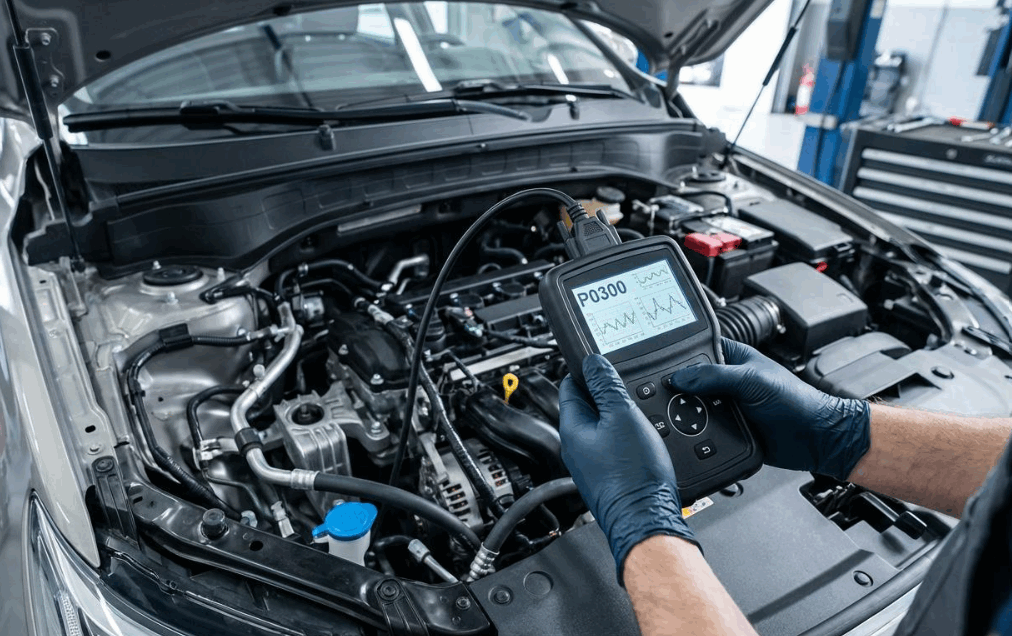
Connect an OBD II scanner and check all stored and pending trouble codes. Look for cylinder specific codes such as P0301, P0302, or P0303. Also check for fuel mixture, airflow, or sensor related codes. These codes can narrow the diagnostic path. Review freeze frame data to identify the conditions that existed when P0300 appeared.
Inspect the ignition system next. Check the spark plugs for excessive wear, fouling, damage, or an incorrect gap. Inspect the ignition coils and their electrical connections. Test suspected components instead of replacing the complete ignition system. A cylinder specific misfire can provide useful evidence during these tests.
Check fuel delivery when the ignition system works correctly. Evaluate injector operation and inspect the related electrical circuits. Test fuel pressure when the symptoms suggest inadequate fuel supply. Fuel trim data can also help identify abnormal mixture conditions.
Inspect the intake system for vacuum leaks and unmetered air. Check hoses, connections, and relevant intake components. Review MAF sensor data when airflow measurement appears incorrect.
Perform mechanical tests when the previous checks do not identify the cause. A compression test can reveal a weak cylinder. Further testing may identify valve, timing, or internal engine problems.
What Should You Check First When Nissan P0300 Appears?
Check related trouble codes and freeze frame data before replacing spark plugs, coils, or injectors. This information shows where the diagnostic process should begin. It can also reveal engine speed, load, and other conditions linked to the misfire. Use that evidence to choose the next test and confirm the actual cause.
How Do You Fix a Nissan P0300 Code?
Fix a Nissan P0300 code by repairing the fault that causes the random or multiple cylinder misfire. P0300 does not point to one specific failed part. The correct repair depends on the results of the diagnostic tests. Confirm the cause before replacing any components.
Replace worn or damaged spark plugs when testing confirms an ignition problem. Use plugs that meet the correct specifications for the engine. Check the ignition coils at the same time. Replace a coil only when testing identifies weak or failed operation. Also repair damaged connectors or wiring that affects the ignition system.
Repair fuel system faults when the engine does not receive the correct amount of fuel. A faulty injector may require cleaning, testing, or replacement. Low fuel pressure requires further diagnosis of the fuel delivery system. Fix the source of the pressure problem rather than replacing unrelated ignition parts.
Repair vacuum or intake leaks when unmetered air causes an incorrect air and fuel mixture. Replace damaged hoses or seals when testing confirms a leak. Address MAF sensor or related circuit faults when scan data supports that diagnosis. Mechanical problems require a different repair path. Low compression may require repairs to valves, timing components, or internal engine parts.
Confirm the repair before returning the Nissan to normal use. Clear the trouble codes after completing the repair. Start the engine and check its idle quality. Test the vehicle under the conditions that previously caused the misfire. Scan the system again after the test. P0300 should not return when the repair has corrected the underlying fault.
Can You Drive a Nissan With a P0300 Code?
You should avoid driving a Nissan with P0300 when the engine has a severe or continuous misfire. A mild intermittent misfire may not stop the vehicle from running. However, the code still requires diagnosis. The condition can become more severe as the underlying fault develops.
Check how the engine runs before deciding whether to continue driving. A steady Check Engine Light may appear with a minor or intermittent misfire. The engine may still idle and accelerate normally. In this situation, limit unnecessary driving and arrange a diagnosis soon. Do not assume the vehicle is safe for extended use because the symptoms feel mild.
Stop driving when the engine shakes heavily, stalls, or loses substantial power. These symptoms indicate that the misfire has a stronger effect on combustion. The vehicle may also respond poorly during acceleration. This behavior can make normal driving less predictable, especially under heavy engine load.
A flashing Check Engine Light requires immediate attention. A severe misfire can send unburned fuel into the exhaust system. The catalytic converter can then become excessively hot. Continued operation may damage the converter and increase repair costs. Avoid hard acceleration or high engine speeds in this condition.
Use the engine symptoms and warning light behavior to judge the urgency. Do not use P0300 alone to determine whether continued driving is appropriate. Diagnose the cause as soon as possible. Repairing the misfire early can restore normal engine operation and reduce the risk of additional damage.
Why Does Nissan P0300 Come Back After Repairs?
Nissan P0300 can return when the original repair does not correct the actual cause of the misfire. The first repair may solve one problem while another fault remains. The code can also return when diagnosis focuses on a common component instead of the complete combustion system.
Replacing spark plugs does not fix every P0300 condition. New plugs can restore normal ignition when worn plugs caused the misfire. However, a weak ignition coil can still produce an unstable spark. Damaged wiring or poor electrical connections can also affect ignition. The misfire will continue if these faults remain.
Fuel and air problems can also cause P0300 to return. A restricted injector may prevent a cylinder from receiving enough fuel. Low fuel pressure can affect several cylinders at once. A vacuum leak can introduce unmetered air into the engine. These faults can remain even after the ignition system receives new parts.
Mechanical problems require another diagnostic path. Low compression can cause repeated misfires even with good spark and fuel delivery. Valve problems, timing faults, or internal engine wear may reduce cylinder performance. Ignition parts cannot correct these mechanical conditions.
Diagnose the vehicle again when P0300 returns after a repair. Check stored and pending codes first. Review the conditions that trigger the misfire and test the related systems. Confirm each repair with an operating test and another scan. A successful repair should correct the root cause and prevent P0300 from returning under the same conditions.
How Much Does It Cost to Fix Nissan P0300?
The cost to fix Nissan P0300 depends on the fault that causes the engine misfire. P0300 identifies a random or multiple cylinder misfire. It does not identify one failed component. For this reason, repair costs can differ greatly between two Nissan vehicles with the same code.
Diagnosis is the first factor that affects the total cost. A technician may need to scan the vehicle and inspect the ignition system. Further testing may include fuel pressure, injector operation, vacuum leaks, or engine compression. The required tests depend on the symptoms and related trouble codes.
Ignition faults often involve spark plugs, ignition coils, wiring, or electrical connections. Fuel system repairs may involve injectors or other fuel delivery components. Intake leaks can require new hoses, seals, or related parts. Each repair has different parts and labor requirements.
Mechanical faults can make a P0300 repair more complex. Low compression may indicate a valve, timing, or internal engine problem. These conditions require additional testing before a technician can estimate the repair. Replacing ignition parts will not correct a mechanical source of the misfire.
The Nissan model, engine, labor rate, and required parts also affect the final price. Diagnose the root cause before estimating the complete repair cost. This approach separates the cost of testing from the cost of fixing the confirmed problem. It also reduces the risk of spending money on parts that do not correct P0300.
What Should You Do When Your Nissan Has a P0300 Code?
Diagnose the cause of Nissan P0300 before replacing parts or continuing normal driving. Start by checking the Check Engine Light and current engine behavior. Severe shaking, major power loss, or a flashing warning light requires immediate attention. These signs can indicate an active misfire that may cause additional damage.
Scan the vehicle for stored and pending trouble codes next. Review freeze frame data and look for cylinder specific or related codes. Use this information to choose the correct diagnostic path. Check the ignition system, fuel delivery, and air intake based on the available evidence. Test engine compression when these systems do not explain the misfire.
Repair only the fault that testing confirms. Spark plugs, ignition coils, injectors, vacuum leaks, sensors, and mechanical problems require different repairs. Replacing common parts without diagnosis can leave the original problem unresolved. It can also cause P0300 to return after the repair.
Clear the trouble codes after correcting the fault. Run the engine and confirm that it operates normally. Test the vehicle under the conditions that previously caused the misfire. Then scan the system again. A complete repair should correct the underlying combustion problem and prevent Nissan P0300 from returning.