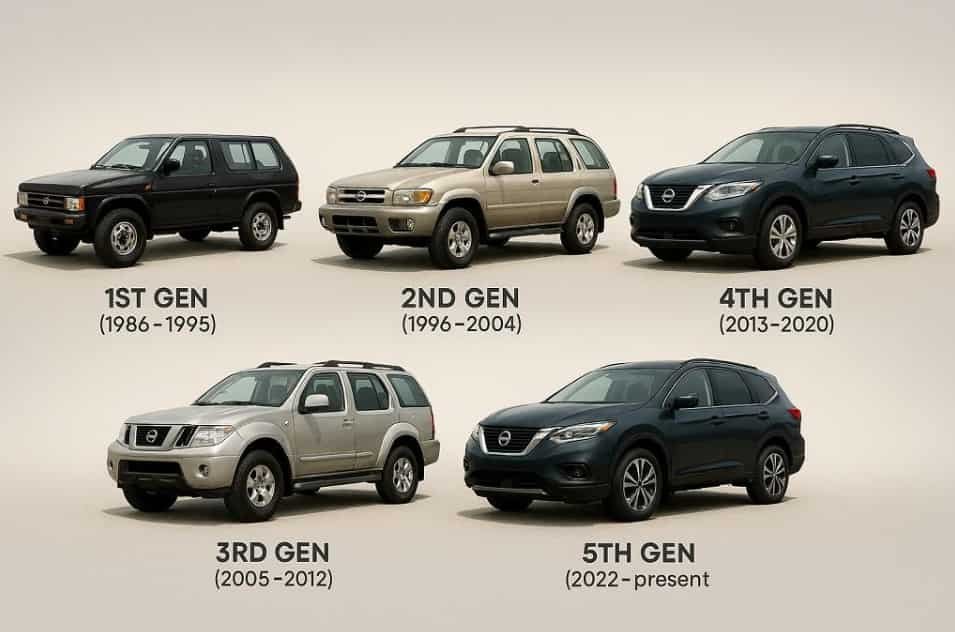
Nissan changes body styles when a vehicle enters a new generation, which usually happens every 5 to 7 years depending on the model. However, Nissan does not redesign every vehicle on the same schedule because each model follows a different lifecycle based on market demand, technology updates, competition, and engineering requirements.
A body style change is different from a simple model year update or a minor facelift. A full redesign usually introduces a new exterior appearance, updated vehicle architecture, improved technology, and significant changes to the interior. A facelift typically focuses on styling adjustments and feature improvements while keeping the same generation.
Understanding how often Nissan changes body styles helps buyers make better decisions when purchasing a new or used vehicle. A buyer who understands Nissan’s redesign cycle can identify whether a current model is near the end of its generation, whether a new version is likely to arrive soon, or whether an existing generation offers better value.
This guide explains Nissan’s body style change frequency, how long Nissan generations usually last, why redesign timing varies between models, and how these changes affect vehicle value and purchase timing.
How Often Does Nissan Change Body Styles?
Nissan usually changes body styles every 5 to 7 years when a vehicle enters a new generation. This is the average lifecycle for most Nissan models. However, each vehicle follows a different schedule based on its market segment, technology needs, and customer demand.
A body style change happens when Nissan introduces a completely new generation. This update usually includes a new exterior design, improved technology, updated safety features, and changes to the vehicle structure. A new generation is more than a visual update because it changes how the vehicle performs and competes in its category.
Nissan also uses mid-cycle refreshes before launching a new generation. A refresh usually happens after 3 to 4 years of production. It updates areas such as exterior styling, interior materials, infotainment systems, and safety features. The vehicle remains part of the same generation but receives improvements to stay competitive.
The timing of Nissan body style changes depends on the type of vehicle. Compact SUVs often receive updates faster because this segment has strong competition and rapid technology changes. Pickup trucks usually keep the same body style longer because durability and platform investment are more important.
For example, a Nissan Rogue may receive updates more frequently than a Nissan Frontier because SUV buyers often expect newer designs and features. Truck buyers usually focus more on capability, reliability, and long-term ownership.
Understanding Nissan’s redesign cycle helps buyers choose the right time to purchase a vehicle. A model near the end of its generation may offer better discounts, while a newly redesigned model provides the latest features and technology.
How Long Does Nissan Keep the Same Vehicle Generation?
Nissan usually keeps the same vehicle generation for 5 to 7 years before introducing a redesigned model. This period allows Nissan to recover development costs, improve manufacturing efficiency, and maintain competitiveness in the automotive market. However, the exact length depends on the vehicle category and customer expectations.
A vehicle generation starts when Nissan launches a completely redesigned model. During the first years, the manufacturer focuses on establishing the new design, improving production quality, and collecting customer feedback. The vehicle then enters a middle stage where Nissan may introduce updates to maintain interest.
Most Nissan models follow a predictable lifecycle. The first stage is the introduction of a new generation with major design and technology changes. The second stage is usually a refresh period, where Nissan updates styling, features, and equipment. The final stage happens when the model approaches replacement and Nissan prepares the next generation.
The length of a generation can vary between different Nissan vehicles. SUVs such as the Nissan Rogue often receive redesigns around the traditional 5 to 7 year cycle because the compact SUV market changes quickly. Buyers in this segment expect modern styling, advanced driver assistance systems, and updated technology.
Trucks and specialty vehicles may have longer lifecycles. The Nissan Frontier is an example of a model that maintained an older generation for many years before receiving a major redesign. Pickup truck buyers often prioritize durability, capability, and proven performance over frequent styling changes.
Understanding Nissan generation length helps buyers evaluate vehicle timing. A newer generation usually provides updated technology and design improvements. An older generation may offer better pricing, more reliability history, and fewer unknowns because it has been tested for several years.
What Is the Difference Between a Nissan Redesign and a Facelift?
A Nissan redesign and a Nissan facelift are two different types of vehicle updates. A redesign creates a new generation, while a facelift improves an existing generation. Understanding this difference helps buyers know whether a Nissan model has received a major change or only a minor update.
A full Nissan redesign introduces a new vehicle generation. It usually changes the exterior body style, vehicle platform, interior layout, and technology systems. Engineers may improve the suspension, powertrain options, fuel efficiency, and safety features. The goal is to create a significantly improved vehicle that can compete with newer models from other manufacturers.
A facelift, also called a mid-cycle refresh, focuses on improving the current generation without replacing it. Nissan may update the front grille, headlights, bumpers, wheels, interior materials, or infotainment system. These changes help the vehicle remain attractive without the cost and time required for a complete redesign.
The difference between these updates is important for vehicle buyers. A redesigned Nissan often represents a major technological step forward. It may include a new platform, improved driving experience, and a completely different appearance. A facelifted Nissan provides updated features but usually keeps the same basic engineering from the original generation.
For example, a Nissan Rogue facelift may include a new front design and improved technology while keeping the same generation structure. A new Rogue generation changes the vehicle architecture and creates a different ownership experience.
Buyers should check whether a Nissan model received a redesign or facelift before purchasing. A vehicle with a recent facelift may offer better value because it includes updated features. A newly redesigned model may provide the newest technology but has a shorter reliability history.
How Often Does Nissan Change the Body Styles of Popular Models?
Nissan changes the body styles of popular models based on their market position, competition, and customer demand. Each Nissan vehicle follows its own redesign timeline. Some models receive major updates after about 5 years, while others continue with the same body style for a longer period.
The Nissan Rogue follows a typical compact SUV redesign cycle. This segment changes quickly because buyers expect modern designs, advanced safety systems, and updated technology. Nissan introduced a new Rogue generation after several years of the previous design. The redesign included a new exterior appearance, updated interior technology, and improvements to driving features.
The Nissan Altima follows a different pattern because the sedan market has changed significantly. Sedan demand has declined as more buyers choose SUVs. As a result, Nissan has focused on extending the value of existing Altima generations while adding technology updates and styling improvements. The Altima usually keeps the same body style for several years before receiving a full redesign.
The Nissan Sentra also follows a multi-year generation cycle. Compact car buyers often compare models based on price, fuel efficiency, technology, and reliability. Nissan updates the Sentra when competitors introduce major improvements in these areas. A new Sentra generation usually brings changes to exterior styling, interior quality, and safety equipment.
The Nissan Frontier has a longer redesign cycle compared with many passenger vehicles. Pickup trucks often maintain the same body style longer because buyers value strength, capability, and proven performance. The development cost of a truck platform is also higher, which encourages manufacturers to extend the lifecycle.
These examples show that Nissan does not use one fixed schedule for every model. SUVs, sedans, compact cars, and trucks each follow different redesign patterns. Buyers should research the specific Nissan model they want because the generation timeline can affect pricing, features, and long-term value.
What Factors Affect Nissan Body Style Change Timing?
Nissan changes body styles based on several factors that influence when a vehicle needs a new generation. A redesign is not only a styling decision. It requires major engineering work, financial investment, and market analysis. Nissan evaluates customer needs, technology trends, and industry changes before replacing an existing vehicle generation.
One major factor is technology development. Modern vehicles require updated safety systems, connectivity features, and efficient powertrains. Technologies such as advanced driver assistance systems, improved infotainment platforms, and electrified powertrains can influence when Nissan introduces a new generation. A vehicle may need a redesign when its current technology becomes outdated compared with competitors.
Another factor is market competition. Nissan monitors competing vehicles from brands such as Toyota, Honda, Hyundai, and Ford. When competitors introduce newer designs with better features, Nissan may accelerate updates to maintain its position. Compact SUVs are a good example because this segment changes quickly due to strong competition and high customer expectations.
Government regulations also affect redesign timing. New safety standards, emissions requirements, and fuel efficiency rules can require significant engineering changes. A new generation allows Nissan to integrate these requirements more effectively than making small updates to an older design.
Consumer demand plays an important role as well. Changes in buying behavior can influence Nissan’s product strategy. The growing popularity of SUVs has affected how manufacturers prioritize vehicle development. Models with increasing demand may receive more investment and faster updates.
Production costs and platform development also determine redesign timing. Creating a new vehicle generation requires billions of dollars in research, testing, and manufacturing changes. Nissan must balance innovation with financial efficiency. Extending a successful generation can be a practical decision when the existing platform continues to meet customer expectations.
Is It Better to Buy a Nissan Before or After a Body Style Change?
Buying a Nissan before or after a body style change depends on the buyer’s priorities. A vehicle before a redesign often provides better pricing, while a newly redesigned model offers updated technology and styling. The right choice depends on whether the buyer values cost savings or the newest features.
Buying a Nissan before a redesign can provide several financial advantages. Dealers often offer discounts on outgoing generations to clear inventory before the new model arrives. These vehicles may also have a proven reliability record because they have been on the market for several years. Buyers can review long-term ownership data, common problems, and maintenance costs before making a decision.
However, an older Nissan generation may have fewer modern features. It may use older infotainment systems, previous safety technology, or an outdated exterior design. Buyers who plan to keep their vehicle for many years should consider whether these differences will affect their ownership experience.
Buying a Nissan after a body style change provides access to the newest design and technology. A redesigned model usually includes updated features, improved efficiency, and a more modern interior. It may also offer improvements that were not available in the previous generation, such as enhanced driver assistance systems or new connectivity options.
The main disadvantage of buying a newly redesigned Nissan is the limited reliability history. A first-year model may introduce new components that have not been tested over many years of customer use. Some buyers prefer waiting until the second or third model year because manufacturers often address early production issues during this period.
For many buyers, the best time to purchase a Nissan is during the transition period between generations. The outgoing model may offer strong value, while the new model provides improved technology. Comparing pricing, features, and ownership goals helps determine which option fits the buyer’s needs.
Do Nissan Vehicles Lose Value After a New Body Style Comes Out?
Nissan vehicles can lose value after a new body style is introduced because buyers often prefer the latest generation. A redesigned model usually attracts more attention with updated styling, new technology, and improved features. As demand shifts toward the newer version, the previous generation may experience a change in resale value.
The amount of depreciation depends on several factors, including the Nissan model, market demand, reliability history, mileage, and overall condition. Popular models with strong reliability records may maintain their value better even after a redesign. A Nissan Rogue, for example, may continue to attract used-car buyers because compact SUVs remain in high demand.
A previous-generation Nissan can also become an attractive option for value-focused buyers. When dealerships receive new inventory, they may reduce prices on remaining older models. Used-car buyers may benefit because they can purchase a vehicle with proven performance at a lower price compared with the latest generation.
However, a new body style can make an older generation appear outdated. Buyers who prioritize modern design, advanced technology, or the newest safety features may choose the redesigned model instead. This difference in demand can affect resale prices between the two generations.
The impact of a redesign is not always negative for older Nissan vehicles. Some previous generations become popular because they offer established reliability, lower ownership costs, and easier maintenance. Buyers should compare the features, pricing, and long-term value of both generations before making a decision.
Understanding how body style changes affect depreciation helps buyers identify better purchasing opportunities. A vehicle near the end of its generation may provide excellent value, while a new generation may offer advantages for buyers who want the latest improvements.
How Can You Predict When Nissan Will Change a Body Style?
Predicting when Nissan will change a body style requires analyzing the vehicle’s current generation, market trends, and manufacturer updates. Nissan does not announce every redesign years in advance, but several signals can help buyers estimate when a new generation may arrive.
The first indicator is the age of the current generation. Most Nissan vehicles follow a lifecycle of around 5 to 7 years. When a model reaches the later years of this cycle, a redesign becomes more likely. Buyers researching a Nissan model should check when the current generation was introduced and compare it with previous redesign patterns.
Another indicator is Nissan’s product announcements. Automakers usually reveal future changes through official announcements, concept vehicles, technology updates, and industry events. These announcements can provide information about upcoming changes in design, powertrain technology, and vehicle platforms.
Competitor activity can also influence Nissan redesign timing. When brands such as Toyota, Honda, Hyundai, or Ford introduce newer versions of competing vehicles, Nissan may respond with updates to remain competitive. This is especially common in popular segments such as compact SUVs and midsize vehicles.
Automotive industry trends provide additional clues. Changes in electric vehicle technology, safety regulations, and customer preferences can accelerate redesign decisions. For example, the growing demand for advanced driver assistance systems and electrified powertrains has influenced how manufacturers develop future vehicles.
Buyers can also monitor automotive research sources, model-year updates, and vehicle production information. These sources often reveal whether a Nissan model is approaching the end of its current generation.
Understanding these signals helps buyers make better timing decisions. A customer who knows a redesign may be approaching can choose between waiting for the new generation or purchasing the current model at a better price.
Conclusion: How Often Does Nissan Change Body Styles?
Nissan usually changes body styles when a vehicle enters a new generation, with most models following a cycle of about 5 to 7 years. However, the exact timing depends on the vehicle type, market demand, technology changes, and competition. SUVs, sedans, and trucks often follow different redesign patterns because buyers expect different features from each segment.
Understanding Nissan’s body style change cycle helps buyers make better purchasing decisions. A vehicle near the end of its generation may provide strong value because it often has a lower price, proven reliability history, and fewer unknown issues. A newly redesigned Nissan provides newer technology, updated styling, and improved features but may have less long-term reliability data.
The best time to buy a Nissan depends on personal priorities. Buyers who want the latest design should consider a new generation model. Buyers who focus on affordability and proven performance may find better opportunities with the previous generation.
Researching Nissan vehicle generations, redesign timing, and model updates allows buyers to understand the market before making a purchase. By comparing current features, pricing, and future redesign possibilities, consumers can choose a Nissan model that matches their ownership goals.