
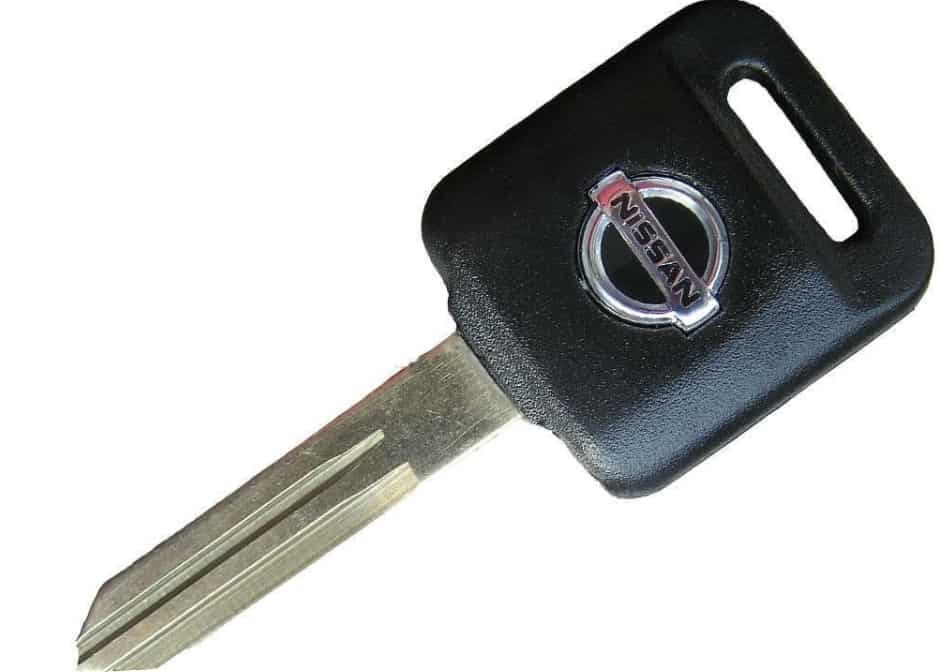
Many Nissan owners search for ways to bypass the Nissan NVIS vehicle immobilizer when the engine refuses to start. In most cases, bypassing the system is not the right solution. The Nissan Vehicle Immobilizer System protects the vehicle from unauthorized starting. It also verifies that the registered key can communicate with the vehicle before the engine starts.
Most immobilizer problems have an identifiable cause. A weak vehicle battery, a damaged transponder key, a faulty key fob battery, a failed immobilizer antenna, or lost communication between the BCM and ECM can all prevent the engine from starting. Identifying the root cause is faster, safer, and less expensive than attempting to disable the security system.
This guide explains how the Nissan NVIS vehicle immobilizer works and how to recognize common immobilizer symptoms. You will also learn which checks are safe to perform before replacing parts. Finally, the article explores legal alternatives to bypassing the system, including key registration, module synchronization, professional diagnostics, and component repair. These solutions restore normal engine authorization while keeping the factory anti theft system fully functional.
Can You Legally Bypass a Nissan NVIS Vehicle Immobilizer?
The short answer is no. You should not bypass a Nissan NVIS vehicle immobilizer. The system protects the vehicle from unauthorized use and controls engine authorization. It only allows the engine to start after it recognizes a registered transponder key. If that verification fails, the engine remains disabled. For most owners, the correct repair is to restore normal communication instead of trying to disable the security system.
Nissan designed the NVIS immobilizer to work with several electronic components. The transponder key stores a unique identification code. The immobilizer antenna reads that code when the driver inserts the key or presses the start button. The Body Control Module compares the information with its stored records. If the key is valid, the module sends an authorization signal to the Engine Control Module. The ECM then allows fuel delivery and ignition. If any part of this process fails, the vehicle may crank without starting or refuse to start altogether.
Attempting to bypass the immobilizer rarely solves the original problem. A damaged key, low battery voltage, a faulty antenna, corrupted key registration, or lost synchronization between the BCM and ECM can all produce similar symptoms. Ignoring these faults often leads to unnecessary parts replacement and higher repair costs. In some cases, incorrect electrical modifications can also damage control modules or create additional communication errors.
A better approach is to diagnose the fault before replacing any component. Test a registered spare key if one is available. Check the vehicle battery and inspect the security indicator for unusual behavior. Scan the BCM and ECM with a compatible diagnostic tool to identify relevant fault codes. If the system requires key registration or module synchronization, an automotive locksmith or Nissan dealership can complete the repair while keeping the factory security system fully operational.
How Does the Nissan NVIS Vehicle Immobilizer Work?
The Nissan NVIS vehicle immobilizer protects the engine from unauthorized starting. Unlike a traditional alarm, it does not rely on sound or flashing lights. Instead, it verifies the identity of the key before allowing the engine to run. If the system cannot confirm that the key is authorized, it blocks the starting process and keeps the vehicle secure.
The verification process begins when the driver inserts the key into the ignition or brings an Intelligent Key inside the vehicle. The immobilizer antenna reads the unique code stored in the transponder chip. The Body Control Module receives this information and compares it with the registered key data stored in its memory. When the identification matches, the module sends an approval signal to the Engine Control Module. The ECM then enables fuel injection and ignition, allowing the engine to start normally.
Every component in this sequence has a specific role. The transponder key provides the security identity. The immobilizer antenna reads the key without physical contact. The BCM manages authentication and communicates with other control modules. The ECM controls engine operation after it receives a valid authorization signal. Some Nissan models also include an electronic steering lock that works with the immobilizer as an additional security layer.
Many owners confuse the immobilizer with the vehicle alarm, but the two systems perform different tasks. The alarm warns about unauthorized entry by activating the horn or lights. The immobilizer prevents the engine from starting even if someone gains access to the cabin. Nissan also uses different names for this technology, including NVIS and NATS, depending on the model, production year, and market. Although the terminology may change, the operating principle remains the same. The system verifies the registered key first and only then allows the engine to start.
How Can You Tell Whether Nissan NVIS Is Preventing the Engine From Starting?
A Nissan NVIS problem usually appears when the engine cannot complete the normal starting sequence. The exact symptom depends on the vehicle model and the component that has failed. In many cases, the engine cranks but does not start because the immobilizer does not approve the registered key. Some models may prevent the starter from operating at all, while others allow the engine to start for a second before shutting it down.
The security indicator is one of the most useful warning signs. A flashing or continuously illuminated security light during a start attempt often suggests that the immobilizer cannot verify the key. Some vehicles also display messages such as Key Not Detected or Incorrect Key on the instrument cluster. If one registered key starts the vehicle but another does not, the problem usually affects the failed key instead of the immobilizer system. However, if every registered key stops working at the same time, the fault is more likely related to the immobilizer antenna, the BCM, the ECM, or the communication network between these components.
Recent repairs can also provide valuable clues. Immobilizer problems often appear after replacing the BCM, ECM, ignition switch, steering lock, or vehicle battery. A programming interruption or incorrect module configuration may prevent the system from recognizing previously registered keys. In these situations, the vehicle may behave as though the keys are no longer authorized even though they worked correctly before the repair.
Not every no start condition points to the Nissan NVIS vehicle immobilizer. A discharged battery, damaged fuse, failed starter, faulty fuel pump, defective crankshaft position sensor, or ignition problem can produce similar symptoms. For that reason, begin with basic inspections before assuming that the immobilizer has failed. Check the battery voltage, test a spare registered key, observe the security indicator, and scan the BCM and ECM for diagnostic trouble codes. These steps help identify the real cause and reduce unnecessary repairs.
What Should You Check Before Assuming the Nissan Immobilizer Has Failed?
Do not assume that the immobilizer has failed as soon as the engine refuses to start. Many starting problems share the same symptoms but have different causes. A systematic inspection helps identify the fault more quickly and prevents unnecessary repairs. It also reduces the risk of replacing expensive components that still function correctly.
Start by checking the vehicle battery. Low battery voltage can interrupt communication between the Body Control Module, Engine Control Module, and immobilizer system. Even if the starter motor turns the engine, unstable voltage may prevent the security modules from completing the authorization process. Recharge the battery or test it with a battery tester before investigating more complex faults.
Next, try a second registered key if one is available. This simple test helps determine whether the problem is related to the key or the vehicle. If the spare key starts the engine, the original key may have a damaged transponder or lost programming. If neither key works, the fault is more likely inside the immobilizer system or another electronic component. On vehicles equipped with an Intelligent Key, replacing a weak key fob battery is also worthwhile because poor battery power can reduce communication range and affect key detection.
Continue with a visual inspection of the electrical system. Check the relevant fuses and look for loose connectors, damaged wiring, or signs of corrosion around the battery terminals. If the vehicle recently received a new BCM, ECM, steering lock, or ignition component, verify that the repair included the required programming and module synchronization. Finally, scan the BCM and ECM with a compatible diagnostic tool. Fault codes provide valuable information and help distinguish an immobilizer problem from a fuel, ignition, starter, or sensor failure. Following these checks creates a clear diagnosis and avoids unnecessary replacement of parts that are not responsible for the no start condition.
What Are the Legal Alternatives to Bypassing Nissan NVIS?
Several proven solutions can restore a Nissan NVIS vehicle immobilizer without disabling the factory security system. The correct repair depends on the source of the fault. Some problems originate from the key, while others involve the immobilizer antenna, electrical wiring, or control modules. Identifying the root cause always produces better results than attempting to bypass the system.
The first option is to test a registered spare key. If the spare key starts the vehicle, the original key is the most likely source of the problem. The transponder chip may have failed, or the key may no longer match the information stored in the immobilizer system. Registering a replacement key is usually the next step. A qualified automotive locksmith or a Nissan dealership can verify ownership, cut a compatible key, and program it to communicate with the vehicle correctly.
If every registered key fails, inspect the hardware that supports the immobilizer. A damaged antenna, loose connector, blown fuse, or corroded wiring can interrupt communication before the key reaches the Body Control Module. Repairing these components often restores normal operation without replacing expensive electronic modules. Vehicles that recently received a new BCM or ECM may also require module synchronization. Until the control modules exchange matching security data, the immobilizer may reject every authorized key and prevent the engine from starting.
Some situations require replacing a failed component instead of repairing it. A defective BCM, ECM, immobilizer antenna, or steering lock may no longer communicate with the rest of the security system. After installation, the new component must be configured and programmed for the specific vehicle. Professional diagnostic equipment completes this process and confirms that every registered key functions correctly. Restoring the original authorization chain is the safest and most reliable solution because it preserves both vehicle security and long term reliability.
How Is a Replacement Nissan Key Registered With NVIS?
Registering a replacement Nissan key is the correct way to restore engine authorization when the original key no longer works. The registration process adds the new transponder key or Intelligent Key to the vehicle’s security system. Once the procedure is complete, the Nissan NVIS vehicle immobilizer recognizes the new key and allows the engine to start normally. Simply cutting a new key is not enough because the immobilizer only accepts keys that have been electronically registered.
The process begins by verifying vehicle ownership and identifying the correct key type. The technician confirms the vehicle identification number, production year, and model before selecting a compatible replacement key. After confirming compatibility, a professional diagnostic tool connects to the vehicle and opens the manufacturer approved key registration procedure. During this stage, the Body Control Module records the identification code stored inside the new transponder. After the registration finishes, the technician verifies that the Engine Control Module accepts the authorization request and that the engine starts correctly.
Many Nissan owners believe that programming the remote buttons also programs the immobilizer, but these are two separate functions. A remote may lock and unlock the doors without allowing the engine to start. The immobilizer only recognizes the transponder after the registration process is complete. This difference explains why some replacement keys appear to work even though the vehicle still displays a security warning or refuses to start.
Some registration procedures replace the entire list of authorized keys instead of adding only one new key. For this reason, technicians often recommend bringing every registered key to the appointment. Any key that is not included during programming may no longer start the vehicle afterward. Completing the registration with compatible equipment also confirms that the key, the Body Control Module, and the Engine Control Module share the same security information. This final verification restores reliable engine authorization while preserving the factory anti theft system.
Why Does Nissan NVIS Fail After Replacing the BCM or ECM?
Many immobilizer problems appear immediately after replacing the Body Control Module or the Engine Control Module. Although the new component may function correctly, it does not automatically recognize the vehicle’s existing security information. Nissan NVIS requires the BCM, ECM, and registered keys to share matching authorization data before the engine can start. If this synchronization does not occur, the immobilizer blocks engine operation as a security precaution.
The Body Control Module manages key authentication, while the Engine Control Module controls fuel injection and ignition. During every start attempt, both modules exchange encrypted security information. When a replacement BCM or ECM contains different identification data, the verification process fails. As a result, the security indicator may continue flashing, the engine may crank without starting, or the starter may remain disabled on certain Nissan models.
Incorrect installation can also create communication problems. Loose electrical connectors, damaged wiring, low battery voltage, or interrupted programming may prevent the modules from completing the synchronization process. In some cases, technicians replace only one control module when both modules require matching security data. This mismatch often creates symptoms that resemble a defective immobilizer even though the hardware itself operates normally.
The proper solution is to perform the manufacturer-approved initialization and synchronization procedure with compatible diagnostic equipment. During this process, the BCM, ECM, and registered keys exchange new security credentials and establish a trusted communication path. After synchronization, the technician verifies that every registered key starts the vehicle successfully and confirms that no immobilizer-related diagnostic trouble codes remain. Completing this procedure restores the factory security system without compromising vehicle protection or reliability.
Frequently Asked Questions About Nissan NVIS Vehicle Immobilizer
Can a weak car battery trigger an immobilizer problem?
Yes. Low battery voltage can interrupt communication between the Body Control Module, the Engine Control Module, and the immobilizer system. The security light may remain on, or the engine may crank without starting. Testing the battery should always be one of the first diagnostic steps before replacing immobilizer components.
Will disconnecting the battery reset the Nissan immobilizer?
No. Disconnecting the battery does not erase the immobilizer’s registered key information. It may reset certain electronic settings, but it will not restore communication if the key, BCM, or ECM has a programming or synchronization issue. If the immobilizer continues to block engine starting, additional diagnosis is required.
Can I program a Nissan transponder key myself?
It depends on the model. Some older Nissan vehicles support limited key registration procedures, while most modern models require professional diagnostic equipment. A qualified locksmith or Nissan dealership can confirm compatibility and complete the programming process correctly.
Does every no-start condition mean the immobilizer has failed?
No. Many mechanical and electrical faults produce similar symptoms. A weak battery, failed starter motor, faulty fuel pump, damaged crankshaft position sensor, or ignition problem can all prevent the engine from starting. Confirming the actual cause with basic inspections and diagnostic trouble codes prevents unnecessary repairs.
Conclusion
Searching for how to bypass a Nissan NVIS vehicle immobilizer usually means the vehicle refuses to start and the owner needs a fast solution. In most situations, bypassing the factory security system is neither necessary nor recommended. The immobilizer is designed to protect the vehicle by allowing only registered keys to authorize engine operation.
A structured diagnosis delivers better results than attempting to disable the system. Checking the battery, testing a spare registered key, inspecting wiring, scanning the BCM and ECM for fault codes, and confirming module synchronization can identify the real source of the problem. When a key, control module, or immobilizer component requires replacement, proper programming restores normal operation while preserving the factory anti-theft protection.
If the cause cannot be identified through basic troubleshooting, consult a qualified automotive locksmith or a Nissan service center. Professional diagnosis ensures that repairs follow manufacturer specifications, reduces unnecessary parts replacement, and restores reliable vehicle operation with the security system fully intact.