A Nissan 350Z ticking noise can catch your attention the moment you start the engine. Sometimes the sound is harmless. In other cases, it signals a problem that needs immediate attention. Knowing the difference can save you from expensive engine repairs.
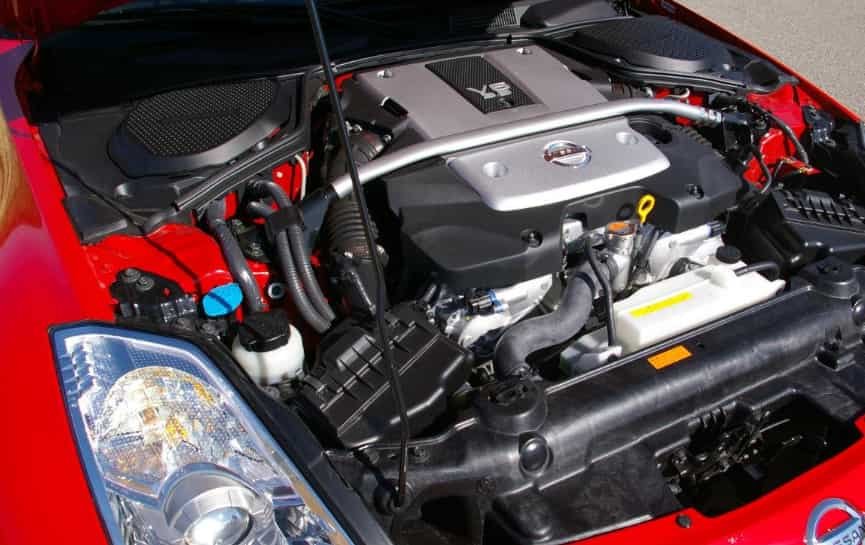
The Nissan 350Z uses the VQ35 engine, a powerplant known for strong performance and long term reliability. Like many high performance engines, it produces some mechanical sounds during normal operation. Fuel injectors often create a light ticking noise, especially at idle. However, worn valve train components, low engine oil, timing chain problems, or an exhaust leak can produce a similar sound. That makes proper diagnosis essential.
Many owners ignore a ticking noise because the car still drives normally. Unfortunately, small problems rarely fix themselves. Low oil pressure can increase engine wear. A leaking exhaust manifold can become worse over time. Worn timing components can eventually affect engine performance. Finding the source early usually costs much less than repairing major engine damage later.
This guide explains every common cause of a Nissan 350Z ticking noise in clear and simple language. You will learn how to identify the symptoms, inspect the engine safely, narrow down the possible causes, and choose the right repair. By the end of this article, you will know whether the ticking sound is a normal characteristic of the VQ35 engine or a warning sign that requires immediate action.
Is a Nissan 350Z Ticking Noise Normal?
A Nissan 350Z ticking noise is not always a sign of engine trouble. The VQ35 engine produces several mechanical sounds during normal operation. Many owners notice a light ticking noise, especially when the engine idles or starts on a cold morning. In many situations, this sound comes from the fuel injectors and does not indicate a fault.
Fuel injectors open and close thousands of times every minute. Each movement creates a small clicking sound that becomes easier to hear with the hood open. This rhythmic noise usually stays consistent and does not affect engine performance. If the engine runs smoothly and no warning lights appear, injector ticking is often considered normal.
Not every ticking sound comes from the fuel system. Low engine oil, worn valve train components, timing chain wear, or an exhaust manifold leak can produce similar noises. These problems often change as engine speed increases or as the engine reaches operating temperature. Some sounds become louder under acceleration, while others disappear after the engine warms up.
The location of the noise also provides valuable clues. A ticking sound from the top of the engine often points to the valve train or fuel injectors. Noise from the front of the engine may suggest timing chain components or accessory pulleys. A sound near the exhaust manifold can indicate escaping exhaust gases through a damaged gasket or a cracked manifold.
The easiest way to judge the severity is to observe how the engine behaves. A normal injector tick remains steady and does not reduce power or trigger warning lights. A mechanical problem usually becomes more noticeable over time. You may also notice rough idling, poor acceleration, oil pressure warnings, or unusual vibrations. These symptoms deserve immediate attention because they often signal a problem that will continue to worsen.
In short, a Nissan 350Z ticking noise can be completely normal or it can warn you about a developing mechanical issue. Identifying when the sound occurs, where it comes from, and how it changes with engine speed will help you narrow down the cause before replacing unnecessary parts.
Where Does the Ticking Noise Come From?
Finding the location of a Nissan 350Z ticking noise is often the fastest way to identify the problem. Many engine components produce a similar sound, but they rarely come from the same area. Listening carefully can help you narrow down the possible causes before replacing parts or paying for unnecessary repairs.
Ticking From the Top of the Engine
A ticking noise from the top of the engine usually points to the valve covers or the intake area. Fuel injectors are the most common source. They create a steady clicking sound as they deliver fuel into the cylinders. This noise stays consistent and rarely affects engine performance.
If the sound becomes louder than normal, inspect the valve train next. Worn camshaft components, excessive valve clearance, or poor lubrication can create a sharper ticking noise. Low engine oil or restricted oil flow may also prevent critical parts from receiving enough lubrication. In these situations, the noise often becomes more noticeable as engine speed increases.
Ticking From the Front of the Engine
A ticking sound near the front of the engine often comes from the timing system or the accessory drive. The timing chain, chain guides, and hydraulic tensioner all work together to keep the camshafts synchronized with the crankshaft. Wear in any of these components can create a repetitive ticking or light rattling sound.
Accessory pulleys can also produce similar noises. A worn belt tensioner, idler pulley, or alternator bearing may create a ticking sound that changes with engine speed. These components are easier to inspect than internal engine parts, making them a good starting point during diagnosis.
Ticking From the Side or Bottom of the Engine
A ticking noise from the side of the engine often indicates an exhaust leak. Hot exhaust gases can escape through a damaged manifold gasket or a cracked exhaust manifold. This leak creates a sharp metallic tick that is usually louder during a cold start. The sound may become quieter as the metal expands with heat.
A ticking noise from the lower part of the engine deserves more attention. Worn connecting rod bearings, wrist pins, or other internal components can produce similar sounds during operation. These problems often become worse under load and may eventually develop into a deeper knocking noise. Continuing to drive with internal engine damage can lead to costly repairs.
Why the Noise Location Matters
The location of the ticking noise provides valuable clues, but it should never be the only factor you consider. You should also note when the sound appears, how it changes with engine temperature, and whether it follows engine RPM. Combining these observations makes diagnosis much more accurate and helps eliminate unnecessary repairs.
10 Common Causes of Nissan 350Z Ticking Noise
A Nissan 350Z ticking noise can come from several different components. Some causes are completely normal, while others require immediate attention. Understanding the most common sources will help you diagnose the problem faster and avoid unnecessary repairs.
Normal Fuel Injector Noise
Fuel injectors are the most common source of a ticking noise in the Nissan 350Z. Each injector opens and closes rapidly to deliver fuel into the combustion chamber. This movement creates a light and consistent clicking sound that many owners mistake for an engine problem.
Injector ticking is usually easy to recognize. The sound comes from the top of the engine and remains steady at idle and while driving. The engine continues to run smoothly, fuel economy stays normal, and no warning lights appear on the dashboard.
You can compare the sound from each injector by listening near the intake manifold. A healthy injector produces a uniform clicking pattern. If one injector sounds much louder or quieter than the others, it may have an electrical fault or a restricted fuel flow.
Normal injector ticking does not require any repair. However, a dirty or failing injector may reduce engine performance, increase fuel consumption, or cause rough idling. Cleaning or replacing the affected injector usually restores proper operation.
Low Engine Oil Level
Low engine oil is one of the most common reasons for a Nissan 350Z ticking noise. Engine oil creates a protective film between moving parts. When the oil level drops, metal components receive less lubrication and begin to create extra mechanical noise.
Valve train components are often the first parts to react. Camshafts, lifters, and other moving parts depend on a constant oil supply. Even a small drop in oil level can increase friction and produce a noticeable ticking sound.
Check the oil level with the engine parked on level ground. Inspect the dipstick after the engine has cooled for a few minutes. If the oil level falls below the recommended range, add the correct oil before driving again.
Never ignore low engine oil. Continued operation can increase internal wear, reduce oil pressure, and eventually damage expensive engine components. A simple oil top up today can prevent a major repair in the future.
Incorrect or Worn Engine Oil
The wrong engine oil can also create a Nissan 350Z ticking noise. Oil that is too thick or too thin may not protect the engine as intended. Old oil loses its lubricating properties over time and allows more metal to metal contact inside the engine.
Many owners notice a ticking noise shortly after an oil change. This problem often occurs because someone used the wrong viscosity or installed a poor quality oil filter. A low quality filter may delay oil circulation during startup, allowing valve train components to run without proper lubrication for a short period.
Always use the engine oil recommended for your specific VQ35 engine and local climate. High quality synthetic oil and a reputable oil filter provide better lubrication and help reduce engine wear.
Replacing old or incorrect oil often eliminates the ticking sound if lubrication is the only problem. If the noise continues after the oil service, inspect other components before assuming internal engine damage.
Exhaust Manifold Leak
An exhaust manifold leak is another common cause of a Nissan 350Z ticking noise. Small gaps around the manifold or gasket allow hot exhaust gases to escape before they reach the exhaust system. As the gases pass through the opening, they create a sharp ticking sound that many drivers mistake for an internal engine problem.
The noise is often louder during a cold start. Metal contracts as the engine cools, which makes the gap slightly larger. As the engine reaches operating temperature, the metal expands and may reduce the noise. This pattern is one of the easiest ways to recognize an exhaust leak.
Look for black soot around the exhaust manifold or gasket. You may also notice a faint exhaust smell in the engine bay or hear the sound increase during acceleration. These signs usually confirm that exhaust gases are escaping.
Repair the leak as soon as possible. Replacing a damaged gasket or repairing broken manifold studs often solves the problem. Fixing the leak early also helps maintain engine performance and prevents hot exhaust gases from damaging nearby components.
Valve Train Wear
The valve train controls the opening and closing of the engine valves. Every component moves thousands of times each minute, so proper lubrication is essential. As these parts wear, they can create a ticking noise that becomes more noticeable over time.
A worn camshaft lobe, damaged rocker arm, or excessive valve clearance may all produce similar sounds. The ticking usually comes from the top of the engine and often follows engine RPM. As the engine speed increases, the ticking becomes faster and easier to hear.
Valve train wear may also reduce engine performance. Some drivers notice rough idling, slower acceleration, or lower fuel efficiency. In advanced cases, the engine may misfire because the valves no longer operate correctly.
A thorough inspection is the best way to confirm valve train wear. Continuing to drive with damaged components can increase wear throughout the engine. Replacing worn parts early usually costs much less than repairing extensive internal damage later.
Timing Chain and Tensioner Problems
The timing chain keeps the crankshaft and camshafts synchronized. A hydraulic tensioner and several chain guides maintain the correct chain tension during engine operation. If one of these components wears out, the chain may develop extra movement and create a ticking or light rattling noise.
Many timing chain problems become easier to hear during a cold start. The hydraulic tensioner depends on engine oil pressure. Until oil pressure builds, the chain may move more than normal and produce extra noise. As oil pressure increases, the sound may become quieter or disappear completely.
A worn timing system may also trigger poor engine performance. You could notice rough idling, reduced power, slower throttle response, or an illuminated check engine light. Ignoring these symptoms increases the risk of additional engine damage.
Inspecting the timing chain requires more experience than checking engine oil or looking for an exhaust leak. If you suspect timing system wear, schedule a professional inspection as soon as possible. Replacing the chain, guides, and tensioner at the same time often provides the most reliable long term repair.
Low Oil Pressure
Low oil pressure can cause a Nissan 350Z ticking noise even when the oil level appears normal. Engine oil must circulate under the correct pressure to protect moving parts. If the pressure drops, the valve train, timing components, and camshafts may not receive enough lubrication.
Several problems can reduce oil pressure. A worn oil pump, a clogged pickup tube, a restricted oil filter, or excessive internal engine wear can all affect oil flow. As lubrication decreases, metal components begin to create more friction and produce a noticeable ticking sound.
Pay close attention to the dashboard. An oil pressure warning light, combined with a ticking noise, requires immediate action. Continuing to drive may damage critical engine components within a short time.
Stop the engine as soon as it is safe to do so. Check the oil level first, but do not assume the problem ends there. If the warning light remains on or the ticking continues, have the oil pressure tested before driving again.
Spark Plug or Ignition Problems
Loose or damaged spark plugs can also create a ticking noise. If a spark plug is not tightened correctly, combustion gases may escape around the threads. This leak often produces a sharp ticking sound that becomes more noticeable during acceleration.
You may also experience rough idling, poor acceleration, reduced fuel economy, or a flashing check engine light. These symptoms often appear together when the ignition system does not operate correctly.
Inspect each spark plug for proper installation and signs of damage. Worn ignition coils or damaged plug boots can also contribute to poor engine performance, although they rarely create the ticking sound directly.
Replacing worn spark plugs at the recommended service interval helps maintain reliable engine performance and reduces the risk of future ignition problems.
Accessory Pulley or Belt Tensioner Noise
Not every Nissan 350Z ticking noise comes from inside the engine. The accessory drive contains several rotating components that can create similar sounds as they wear.
A worn belt tensioner, idler pulley, alternator bearing, or air conditioning compressor bearing may produce a rhythmic ticking or clicking noise. The sound usually changes with engine speed and often comes from the front of the engine.
Inspect the drive belt for cracks, glazing, or uneven wear. Spin each pulley by hand after removing the belt and check for rough movement or excessive play. Replacing a worn pulley or tensioner is usually much less expensive than repairing internal engine damage.
Never ignore accessory noise. A failed pulley or seized bearing can cause the drive belt to break, leaving the engine without important accessories such as the alternator or water pump.
Internal Engine Damage
Internal engine damage is the most serious cause of a Nissan 350Z ticking noise. Although it is less common than the other causes, it should never be overlooked. Worn connecting rod bearings, piston wrist pins, piston slap, or excessive cylinder wear can all create abnormal engine noise.
Unlike normal injector ticking, internal engine noise often becomes louder under load. The sound may change from a light tick to a deeper knock as the damage becomes more severe. Drivers may also notice lower oil pressure, reduced engine performance, metal particles in the engine oil, or excessive vibration.
Diagnosing internal engine damage usually requires professional testing. Compression tests, leak down tests, and oil analysis can help identify the affected components before disassembly. These inspections provide valuable information and prevent unnecessary repairs.
If internal engine damage is confirmed, avoid driving the vehicle. Continued operation can turn a repairable engine into one that requires a complete rebuild or replacement. Early diagnosis offers the best chance of reducing repair costs and preventing further damage.
Symptoms That Help Identify the Cause
The symptoms that appear with a Nissan 350Z ticking noise often provide the clearest clues about the underlying problem. A ticking sound may come from several different components, but the timing, location, and behavior of the noise can help narrow the diagnosis. Instead of focusing on the sound alone, pay attention to when it starts, how long it lasts, and whether it changes as the engine speed or temperature increases.
A ticking noise at idle is commonly linked to normal fuel injector operation. If the sound remains steady and the engine runs smoothly, the injectors are usually the source. However, low engine oil, reduced oil pressure, or early valve train wear can also create a similar ticking sound. If you notice rough idling, warning lights, or engine vibration, the problem likely requires further inspection.
A ticking noise during acceleration often indicates a mechanical issue rather than normal operation. The sound may become faster as engine RPM increases, which can point to an exhaust manifold leak, worn valve train components, or timing chain wear. Drivers should also watch for reduced power, hesitation, or unusual vibration because these symptoms often accompany more serious engine problems.
Cold starts provide another important clue. A brief ticking noise that disappears after a few seconds may result from normal oil circulation or a timing chain tensioner building oil pressure. On the other hand, a ticking noise that continues after the engine reaches operating temperature deserves immediate attention. Persistent noise may indicate low oil pressure, excessive internal wear, or other mechanical problems that can become much more expensive if ignored.
How to Diagnose a Nissan 350Z Ticking Noise
Diagnosing a Nissan 350Z ticking noise requires a systematic approach. Many engine components can produce a similar sound, so replacing parts without testing often wastes time and money. A careful inspection helps you identify the source more accurately and reduces the risk of overlooking a serious mechanical problem.
Start by checking the engine oil level and condition. Park the vehicle on level ground and allow the engine to sit for several minutes before using the dipstick. The oil should fall within the recommended range and appear clean. Low oil, contaminated oil, or the wrong viscosity can all contribute to valve train noise and poor lubrication.
Next, identify when the ticking noise occurs. Pay attention to whether it appears during a cold start, at idle, while accelerating, or after the engine reaches normal operating temperature. A noise that disappears after a few seconds often points to oil circulation or timing chain tensioner operation. A sound that becomes louder as the engine warms up may indicate low oil pressure or internal engine wear.
After that, locate the source of the noise. Listen carefully around the valve covers, fuel injectors, timing cover, exhaust manifolds, and accessory drive. A mechanic’s stethoscope can help isolate the sound, but always keep your hands and tools away from moving belts and pulleys.
Finally, scan the engine for diagnostic trouble codes and inspect the exhaust system for leaks. If the ticking continues, or if you notice warning lights, poor performance, or low oil pressure, arrange a professional inspection. Early diagnosis can prevent minor faults from developing into costly engine repairs.
How to Fix a Nissan 350Z Ticking Noise
Fixing a Nissan 350Z ticking noise starts with identifying the actual cause. A ticking sound does not always mean the engine has serious damage. In many cases, simple maintenance can eliminate the noise before it develops into a more expensive repair. Taking the correct approach also prevents unnecessary parts replacement.
Correct the Engine Oil Level and Oil Type
Always check the engine oil before inspecting more complex components. Low oil reduces lubrication and increases friction between moving parts. Old or incorrect oil can create the same effect, even when the oil level appears normal.
Top off the engine with the manufacturer recommended oil if the level is low. If the oil looks dirty or has exceeded the recommended service interval, perform a complete oil and filter change. Using a high quality oil filter also helps maintain stable oil pressure during cold starts.
Repair Exhaust Leaks
A leaking exhaust manifold or damaged gasket often creates a sharp ticking sound. Inspect the manifold for broken studs, damaged gaskets, and signs of black carbon deposits. These deposits usually indicate that exhaust gases are escaping.
Replace worn gaskets and damaged hardware as soon as possible. Prompt repairs restore proper exhaust flow, reduce engine noise, and prevent excessive heat from damaging nearby components.
Service the Fuel Injectors
Fuel injectors naturally produce a light clicking sound, but excessive noise may indicate restricted fuel flow or an electrical fault. Compare the sound from each injector to identify any noticeable differences.
Professional injector cleaning may restore normal operation if deposits restrict fuel delivery. Replace the injector if testing confirms an internal failure or poor electrical performance.
Repair Valve Train Components
Worn valve train components require careful inspection before replacement. Check the camshafts, rocker arms, valve lifters, and related parts for abnormal wear or damage. Verify that the lubrication system delivers sufficient oil to the top of the engine before replacing mechanical components.
Repairing worn valve train parts early helps restore smooth engine operation and prevents additional damage to nearby components.
Replace Timing Chain Components
A worn timing chain, damaged chain guides, or weak hydraulic tensioner can create a persistent ticking noise. These components wear together over time, so replacing only one part may not provide a lasting repair.
Install a complete timing chain kit whenever significant wear is present. Replacing the chain, guides, tensioner, and related seals during the same service improves reliability and reduces the chance of future problems.
Repair Internal Engine Damage
Internal engine damage requires the most comprehensive repair. Worn bearings, damaged pistons, or excessive cylinder wear cannot be corrected with routine maintenance. Professional testing should confirm the exact cause before any major work begins.
Depending on the severity of the damage, the best solution may involve replacing individual components, rebuilding the engine, or installing a replacement engine. Acting early often reduces repair costs and prevents complete engine failure.
Can You Drive a Nissan 350Z With a Ticking Noise?
Whether you can drive with a Nissan 350Z ticking noise depends on what causes the sound. Some ticking noises are harmless, while others warn of a problem that can quickly damage the engine. Identifying the source should always come before deciding to continue driving.
A light and steady ticking noise from the fuel injectors is usually normal. If the engine runs smoothly, the oil pressure is normal, and no warning lights appear, you can generally continue driving with confidence. Regular maintenance and routine inspections are enough to keep the engine in good condition.
A different approach is necessary when the ticking becomes louder, changes with engine speed, or appears together with poor performance. Low oil pressure, valve train wear, timing chain problems, or an exhaust leak can all produce a ticking noise that deserves immediate attention. Driving with these conditions may increase engine wear and lead to more expensive repairs.
Stop driving as soon as it is safe if the oil pressure warning light comes on, the engine begins to knock, or you notice a sudden loss of power. Excessive vibration, overheating, or metal particles in the engine oil also indicate a serious mechanical problem. Continuing to drive under these conditions can cause permanent engine damage.
When you are unsure about the source of the ticking noise, choose caution over convenience. A professional inspection usually costs far less than repairing a severely damaged engine. Early diagnosis also gives you more repair options and helps prevent minor problems from becoming major failures.
Nissan 350Z Ticking Noise Repair Cost
The cost to repair a Nissan 350Z ticking noise depends entirely on the underlying cause. Some repairs require only routine maintenance, while others involve major engine work. Identifying the problem early often reduces both labor time and replacement costs.
Simple issues such as a low engine oil level, an overdue oil change, or a loose spark plug usually have the lowest repair cost. Replacing an exhaust manifold gasket or servicing a faulty fuel injector generally falls into the moderate price range. These repairs restore normal engine operation without extensive disassembly.
Repairs become more expensive when the timing chain system or valve train requires replacement. These jobs involve additional labor because technicians must remove several engine components to access the damaged parts. Replacing the chain, guides, and tensioner together often provides the best long term value.
Internal engine damage represents the highest repair cost. Worn bearings, damaged pistons, or severe cylinder wear may require a complete engine rebuild or a replacement engine. Before approving major repairs, request a detailed inspection and compare the repair cost with the value and overall condition of the vehicle.
How to Prevent Future Ticking Noises
Preventive maintenance remains the best way to avoid a Nissan 350Z ticking noise. Regular inspections allow you to detect small problems before they become expensive mechanical failures.
Check the engine oil level frequently and use the correct oil specification for your engine. Replace the oil and filter at the recommended service interval instead of waiting for performance to decline. High quality oil provides better lubrication and helps reduce wear throughout the engine.
Inspect the engine for oil leaks, exhaust leaks, and unusual noises during routine maintenance. Listen for changes in engine sound, especially after an oil change or during cold starts. Addressing these issues early helps prevent additional damage.
Avoid aggressive driving before the engine reaches normal operating temperature. Cold oil does not flow as efficiently, which reduces protection for moving parts. Giving the engine a few minutes to warm up improves lubrication and extends component life.
Finally, never ignore warning lights or unusual engine behavior. A quick inspection today can prevent a major repair tomorrow and keep your Nissan 350Z running reliably for years.
Frequently Asked Questions
Why does my Nissan 350Z make a ticking noise at idle?
A steady ticking noise at idle often comes from the fuel injectors and is considered normal. If the sound becomes louder or appears with rough idling, inspect the engine oil level, valve train, and exhaust system.
Is fuel injector ticking normal on a Nissan 350Z?
Yes. Fuel injectors create a rhythmic clicking sound every time they deliver fuel. This noise is a normal characteristic of the VQ35 engine and usually does not require repair.
Why does the ticking noise disappear after the engine warms up?
A ticking noise that fades as the engine warms may result from normal oil circulation or a small exhaust manifold leak. If the noise continues after the engine reaches operating temperature, inspect the engine for mechanical problems.
Can low engine oil cause a ticking noise?
Yes. Low engine oil reduces lubrication and increases friction between moving parts. Valve train components are often the first to produce a noticeable ticking sound.
Will thicker engine oil stop the ticking noise?
Using thicker oil may reduce engine noise temporarily, but it rarely fixes the underlying problem. Always use the oil viscosity recommended by the manufacturer unless a qualified technician advises otherwise.
Conclusion
A Nissan 350Z ticking noise does not always indicate a serious engine problem, but it should never be ignored. Some ticking sounds come from normal fuel injector operation, while others point to low oil pressure, valve train wear, timing chain problems, or exhaust leaks. Understanding the symptoms and identifying where the noise comes from will help you make the right repair decision.
Start with the basics by checking the engine oil level, oil condition, and service history. Then determine when the ticking occurs and whether it changes with engine speed or temperature. These observations often provide valuable clues before any parts need replacement.
If the engine develops warning lights, loses power, overheats, or produces a deep knocking sound, stop driving and arrange a professional inspection immediately. Acting early can prevent severe engine damage and significantly reduce repair costs.
Have you noticed a Nissan 350Z ticking noise during a cold start, at idle, or while accelerating? Share your symptoms, engine model, and mileage in the comments. The more details you provide, the easier it becomes to identify the most likely cause and recommend the right solution.