
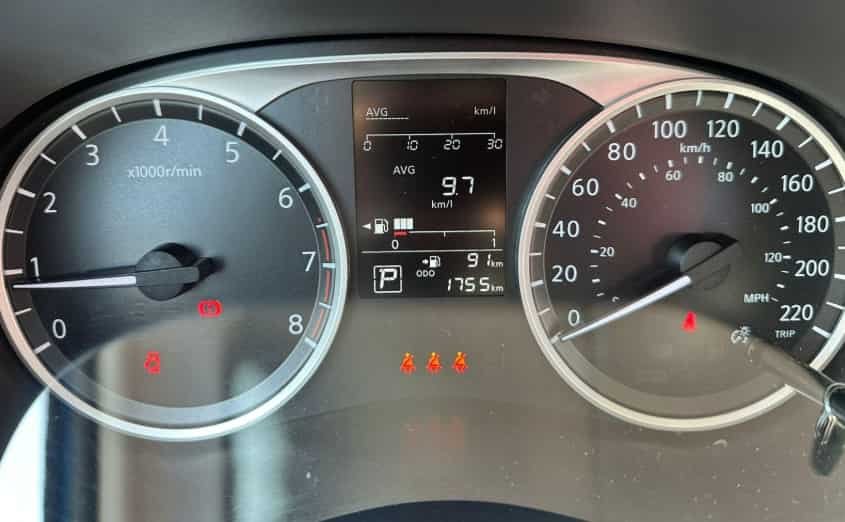
A Nissan Kicks gas gauge that no longer displays the correct fuel level can quickly turn an ordinary drive into a stressful experience. Whether the gauge stays on empty after filling the tank, remains stuck on full for days, or shows fuel levels that change without explanation, this issue can make it difficult to know how much fuel is actually available. As a result, many drivers begin relying on guesswork instead of accurate information, increasing the risk of running out of fuel at the worst possible moment.
The good news is that a Nissan Kicks gas gauge not working does not always mean an expensive repair is necessary. In many cases, the problem can be traced to a faulty fuel level sensor, a damaged wiring connection, a blown fuse, or a temporary communication error between the fuel system and the instrument cluster. Understanding how these components work together is the first step toward identifying the real cause and avoiding unnecessary replacement of parts.
This guide explains everything you need to know about a Nissan Kicks gas gauge not working. You will learn how the fuel gauge system operates, the most common symptoms of failure, the underlying causes, and the best methods for diagnosing the problem. You will also discover practical solutions that range from simple inspections you can perform yourself to repairs that require professional assistance. By the end of this article, you will have a clear understanding of how to restore an accurate fuel reading, improve driving confidence, and prevent future fuel gauge problems.
How the Nissan Kicks Gas Gauge Works
To understand why a Nissan Kicks gas gauge is not working, you first need to know how the system operates. Several components work together to measure the fuel level and display the result on the dashboard. If one part fails, the entire system may produce incorrect readings.
The fuel level sensor sits inside the fuel tank. It connects to a float that moves up and down with the fuel. As the fuel level changes, the float changes the sensor’s electrical resistance. The sensor then sends a signal through the wiring harness.
Next, the Engine Control Module receives the signal. It shares the information with the instrument cluster. The dashboard then displays the current fuel level. Many Nissan Kicks models also calculate the remaining driving range from this data.
Under normal conditions, the gas gauge updates as the vehicle uses fuel. After refueling, the system usually recognizes the new fuel level within a few minutes. The control module smooths sudden changes, so the display remains stable while you drive.
Road conditions can also affect the reading for a short time. Fuel moves inside the tank when you drive up a hill, take a sharp turn, or brake suddenly. The float moves with the fuel, so the gauge may briefly rise or fall. Once the vehicle reaches level ground, the reading usually returns to normal.
Problems begin when the system cannot send or process the signal correctly. A worn fuel level sensor may report the wrong resistance. A stuck float may stop moving completely. Damaged wiring or a loose connector can interrupt communication between the sensor and the dashboard. In some cases, the instrument cluster or the control module may also contribute to the problem.
These failures can produce several different symptoms. The gas gauge may stay on empty after refueling. It may remain on full for an unusually long time. Some drivers notice the fuel level changing randomly during normal driving. Others see an incorrect Distance to Empty value even though the tank contains enough fuel.
Understanding this process helps you avoid unnecessary repairs. Many drivers replace expensive parts before finding the real cause. However, the problem may only involve a damaged connector, a blown fuse, or a faulty fuel level sensor. A proper diagnosis helps you identify the failed component before spending money on replacement parts.
Common Symptoms of a Nissan Kicks Gas Gauge Not Working
A Nissan Kicks gas gauge not working can create several confusing symptoms. Some problems appear suddenly after refueling, while others develop over time. The most common sign is a gauge that stays on empty even after you fill the tank. The low fuel warning light may also remain on. This false reading can make you believe the vehicle is almost out of fuel. In other cases, the gauge stays on full for many miles and never reflects the fuel you have used. Both situations indicate that the fuel system is no longer reporting accurate information.
Some drivers notice the fuel level changing without a clear reason. The gauge may rise or fall during normal driving, even on a flat road. Small movements are normal because fuel shifts inside the tank. However, large or frequent changes usually point to a faulty fuel level sensor, a sticking float, or damaged wiring. You may also notice that the Distance to Empty display becomes unreliable. The estimated range may freeze, drop too quickly, or increase unexpectedly because the system receives incorrect fuel data.
As the condition worsens, the gas gauge may respond slowly after refueling or fail to update at all. The Check Engine Light may also appear if the control module detects a fault in the fuel level circuit. An OBD II scanner can identify related trouble codes and simplify the diagnosis. Although these symptoms often look similar, they do not always have the same cause. A careful inspection helps identify the faulty component and prevents unnecessary repairs.
Common Causes of a Nissan Kicks Gas Gauge Not Working
Several different faults can cause a Nissan Kicks gas gauge not working. The most common cause is a faulty fuel level sensor inside the fuel tank. This sensor measures the fuel level and sends the information to the dashboard. Over time, normal wear can reduce its accuracy. As a result, the gas gauge may stay on empty, remain on full, or display the wrong fuel level while driving.
A sticking float is another common cause. The float moves with the fuel inside the tank and helps the sensor measure the fuel level. Dirt, corrosion, or mechanical wear can prevent the float from moving freely. Damaged wiring can create similar symptoms. A loose connector, broken wire, or corroded terminal may interrupt the signal before it reaches the instrument cluster. In some cases, a blown fuse or a software issue also prevents the system from displaying the correct reading.
Although these problems are common, they are not the only possible causes. A faulty instrument cluster may fail to process the signal correctly. The engine control module may also receive incorrect data because of an electrical fault. Before replacing expensive components, inspect the wiring, connectors, and fuse. Then scan the vehicle for diagnostic trouble codes. A complete diagnosis helps identify the real problem and prevents unnecessary repairs. This approach saves time, reduces repair costs, and restores an accurate fuel gauge more efficiently.
How to Diagnose a Nissan Kicks Gas Gauge Not Working
A proper diagnosis helps you find the real cause before replacing any parts. Many fuel gauge problems share the same symptoms, so guessing often leads to unnecessary repairs. Start by checking how the gauge behaves after refueling. If it stays on empty or remains on full for a long time, the system may not receive an accurate signal from the fuel tank. Compare the dashboard reading with the amount of fuel you recently added. This simple step can reveal whether the problem is constant or only happens under certain conditions.
Next, inspect the vehicle for obvious electrical issues. Check the fuse that protects the instrument cluster and fuel gauge circuit. Look for loose connectors, damaged wires, or signs of corrosion near the fuel tank. If everything appears normal, connect an OBD II scanner and read the stored diagnostic trouble codes. Codes related to the fuel level sensor or its circuit provide valuable clues and help narrow the diagnosis. Clear the codes only after recording them, then drive the vehicle to see if they return.
If the problem continues, inspect the fuel level sensor and the float inside the fuel tank. A worn sensor may send unstable readings, while a sticking float may stop moving completely. You should also verify that the instrument cluster responds correctly to input signals. Testing each component in a logical order makes the diagnosis more accurate. This method reduces repair costs and prevents you from replacing parts that still work properly.
Easy Fixes for a Nissan Kicks Gas Gauge Not Working
You do not always need an expensive repair when a Nissan Kicks gas gauge stops working. Some problems have simple solutions that take only a few minutes to check. Start by turning the engine off and restarting the vehicle after refueling. The system may need a short period to update the fuel level. If the gauge still shows the wrong reading, drive for several miles on a level road. This allows the control module to process the new fuel level under normal driving conditions.
Next, inspect the fuse that protects the fuel gauge circuit. Replace the fuse if you find signs of damage or a broken element inside. Then examine the wiring and electrical connectors around the fuel tank. Dirt, moisture, or corrosion can interrupt the signal between the fuel level sensor and the instrument cluster. Cleaning the connectors and securing any loose wiring may restore normal operation without replacing any parts.
If these checks do not solve the problem, connect an OBD II scanner and read the stored diagnostic trouble codes. The results can help you identify a faulty fuel level sensor or another electrical fault. Replace the defective component only after confirming the diagnosis. Avoid replacing the fuel pump assembly unless testing shows it has failed. A careful repair process reduces unnecessary costs and improves long term reliability. After completing the repair, fill the fuel tank and verify that the gas gauge responds correctly during normal driving.
Nissan Kicks Gas Gauge Repair Cost
The cost to fix a Nissan Kicks gas gauge depends on the actual cause of the problem. Simple repairs usually cost much less than replacing major components. For example, replacing a blown fuse or repairing a loose electrical connector is often inexpensive and requires very little labor. If damaged wiring causes the fault, the final cost will depend on the location of the damage and the amount of work needed to restore the circuit.
A faulty fuel level sensor is one of the most common repairs. In some Nissan Kicks models, technicians can replace the sensor by itself. Other models require replacement of the entire fuel pump assembly because the sensor is built into the module. This repair costs more because it includes additional parts and labor. The instrument cluster may also require testing if the fuel gauge still shows incorrect readings after replacing the sensor.
Before approving any repair, ask the repair shop to perform a complete diagnosis. A professional inspection can confirm whether the problem comes from the sensor, the wiring, the instrument cluster, or another electrical component. This step helps you avoid paying for unnecessary parts that do not solve the issue. Comparing repair estimates from several qualified shops can also reduce your total expense. A correct diagnosis almost always saves more money than replacing parts based on guesswork.
Can You Drive With a Nissan Kicks Gas Gauge Not Working?
You can drive a Nissan Kicks with a faulty gas gauge, but doing so is not a good long term solution. The biggest risk is running out of fuel because you no longer know how much fuel remains in the tank. This situation can leave you stranded, especially during long trips or in areas where fuel stations are difficult to find. It may also increase the chance of damaging the fuel pump, since the pump relies on fuel for cooling and lubrication.
If you must drive before repairing the problem, take extra precautions. Fill the fuel tank completely and reset the trip odometer after every refueling. Monitor the distance you drive and refuel well before reaching your vehicle’s normal driving range. Avoid relying on the Distance to Empty display because it uses the same fuel level information that the faulty gas gauge provides. Keeping the fuel tank above one quarter full can also reduce the risk of unexpected fuel starvation.
Although these temporary steps can help, they do not solve the underlying problem. A faulty fuel level sensor, damaged wiring, or an instrument cluster issue may become worse over time. Scheduling a proper diagnosis as soon as possible is the safest approach. Restoring an accurate fuel gauge improves driving confidence, prevents unexpected breakdowns, and helps you manage fuel consumption more effectively.
Frequently Asked Questions
Why Is My Nissan Kicks Gas Gauge Stuck on Empty?
A Nissan Kicks gas gauge may stay on empty even after refueling for several reasons. The most common cause is a faulty fuel level sensor that no longer sends an accurate signal. A sticking float inside the fuel tank can also prevent the system from detecting the correct fuel level. In some cases, damaged wiring, a loose connector, or a blown fuse interrupts communication between the sensor and the instrument cluster. Less common causes include a faulty instrument cluster or an electrical control module issue. A complete diagnosis with an OBD II scanner and a visual inspection of the fuel system can identify the exact cause before any parts are replaced.
Why Does My Nissan Kicks Gas Gauge Stay on Full?
A gas gauge that remains on full usually indicates that the fuel level sensor cannot report changes inside the tank. This problem often occurs when the float becomes stuck in the upper position or the sending unit develops an internal fault. Wiring damage may also prevent the dashboard from receiving updated information. Although the vehicle may continue to operate normally, the displayed fuel level becomes unreliable. Inspecting the fuel level sensor, electrical connections, and instrument cluster can help determine which component requires repair or replacement.
Can You Reset a Nissan Kicks Gas Gauge?
There is no dedicated reset button for the Nissan Kicks gas gauge. In some cases, the system updates automatically after refueling and driving for several miles. If the gauge still displays incorrect information, scan the vehicle for diagnostic trouble codes before attempting any repair. Disconnecting the battery may clear temporary electrical faults, but it will not fix a failed fuel level sensor or damaged wiring. If the problem returns after restarting the vehicle, inspect the fuel gauge circuit and perform a complete diagnosis to locate the faulty component.
Can a Bad Battery Affect the Fuel Gauge?
A weak or failing battery can sometimes affect the fuel gauge, especially if the vehicle experiences low system voltage. Electrical modules rely on stable voltage to process sensor data correctly. When the battery voltage drops, the instrument cluster may display incorrect information or respond slowly. However, a bad battery is not the most common cause of a faulty gas gauge. If the charging system works properly and the problem continues, inspect the fuel level sensor, wiring, and related electrical connections before replacing the battery.
Is the Fuel Level Sensor Part of the Fuel Pump?
Yes. In many Nissan Kicks models, the fuel level sensor is attached to the fuel pump assembly inside the fuel tank. The sensor measures the fuel level, while the pump delivers fuel to the engine. Some model years allow technicians to replace the sensor separately. Others require replacement of the complete fuel pump module because the components are integrated. Checking the service information for your specific model year can help determine the correct repair procedure.
How Much Does It Cost to Fix a Nissan Kicks Gas Gauge?
The repair cost depends on the failed component and the amount of labor required. Simple repairs, such as replacing a fuse or repairing a wiring connection, usually cost much less than replacing a fuel level sensor or a fuel pump assembly. Diagnostic charges may also apply before any repair begins. Obtaining a professional diagnosis first is the best way to avoid unnecessary expenses. It also helps ensure that the correct part is replaced the first time.
Conclusion
A Nissan Kicks gas gauge not working is more than a minor inconvenience. It can reduce driving confidence and increase the risk of running out of fuel without warning. Although the symptoms may look similar, the underlying cause can vary from a faulty fuel level sensor to damaged wiring, a blown fuse, or an instrument cluster problem. Understanding how the system works makes it easier to recognize the warning signs and choose the right repair.
Always begin with a complete diagnosis before replacing any parts. A careful inspection of the fuel gauge circuit, electrical connections, and diagnostic trouble codes can identify the real source of the problem. This approach saves time, reduces repair costs, and prevents unnecessary replacements. Once the faulty component has been repaired, verify that the gas gauge responds correctly after refueling and during normal driving.
Keeping the fuel gauge in good working condition helps you monitor fuel consumption with confidence and avoid unexpected breakdowns. If the problem persists after basic troubleshooting, consult a qualified technician for a detailed inspection. Early diagnosis and timely repairs will help restore accurate fuel readings and keep your Nissan Kicks operating safely and reliably for years to come.