
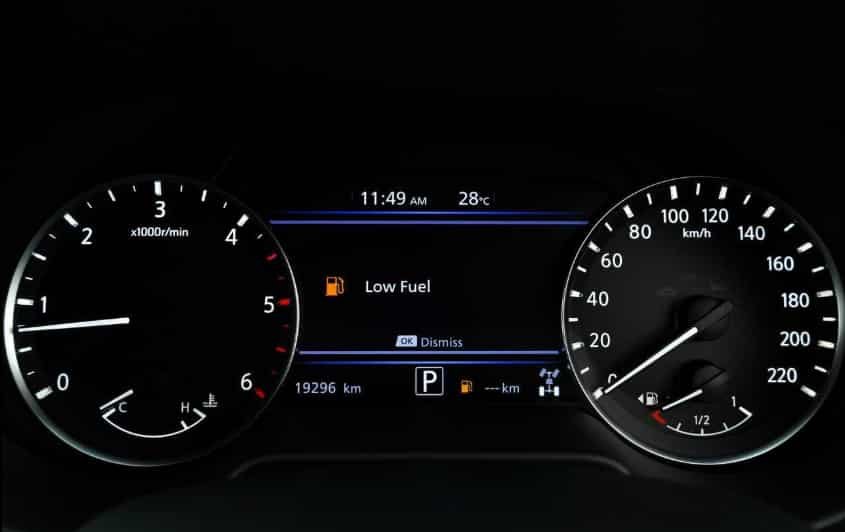
A Nissan Navara fuel gauge not working may seem like a minor inconvenience at first. However, it can quickly become a serious problem that affects your confidence behind the wheel. When the fuel gauge displays incorrect information, you have no reliable way to know how much fuel remains in the tank. This increases the risk of running out of fuel unexpectedly, placing unnecessary stress on the fuel pump, and leaving you stranded in an unsafe location.
Several different components work together to provide an accurate fuel level reading. The fuel sending unit measures the amount of fuel inside the tank, while the fuel level sensor sends electrical signals to the instrument cluster. If any part of this system develops a fault, the gauge may stay on empty, remain full, fluctuate without warning, or stop responding completely. Electrical issues such as damaged wiring, loose connectors, blown fuses, or poor grounding can also interrupt communication between the fuel tank and the dashboard.
Fortunately, diagnosing this problem is often easier than many owners expect. In many cases, the fault can be identified through a systematic inspection before replacing expensive components. Understanding the symptoms and their possible causes can save both time and money while preventing unnecessary repairs.
This comprehensive guide explains the most common reasons why a Nissan Navara fuel gauge not working occurs. You will also learn how to diagnose the issue step by step, identify the faulty component, apply practical repair solutions, and determine when professional assistance is the best option.
Common Symptoms of a Nissan Navara Fuel Gauge Not Working
A Nissan Navara fuel gauge not working can show several warning signs before it stops working completely. Some symptoms appear gradually, while others happen without warning. Recognizing these signs early can help you avoid expensive repairs. It can also reduce the risk of running out of fuel unexpectedly.
One of the most common symptoms is a fuel gauge that stays on empty after you fill the tank. The needle does not move. The digital display may also remain unchanged. In many cases, the low fuel warning light stays on. This usually means the fuel level signal is not reaching the instrument cluster correctly.
Some drivers notice the opposite problem. The fuel gauge stays on full all the time. It does not drop even after many miles of driving. This symptom often points to a faulty fuel sending unit. A damaged wire or poor ground connection can also cause the same issue.
An unstable fuel gauge is another common symptom. The needle may jump between different fuel levels while you are driving. It can suddenly fall to empty and then return to the correct position. This behavior usually indicates a worn fuel sender, loose wiring, or corrosion inside an electrical connector.
You may also notice that the gauge updates only after restarting the engine. For example, the fuel level may not change immediately after refueling. However, it becomes accurate after you turn the ignition off and start the vehicle again. This often suggests an intermittent electrical fault or a failing sensor.
In some cases, the gauge stops responding completely. The needle remains in the same position regardless of the fuel level. At the same time, the estimated driving range may also become inaccurate. These symptoms can indicate a failed fuel sender, damaged wiring, or a faulty instrument cluster.
Another warning sign is an incorrect fuel reading near the bottom of the tank. The gauge may work normally when the tank is full. However, it drops rapidly after reaching half a tank. This usually happens when the float arm becomes worn or sticks inside the fuel tank.
These symptoms should never be ignored. A simple inspection can often reveal the real cause of the problem. Diagnosing the fault early can save time, reduce repair costs, and prevent unnecessary parts replacement.
Main Causes of Nissan Navara Fuel Gauge Problems
Several components work together to display an accurate fuel level. If one part fails, the entire system can provide false readings. In some cases, the gauge stops working completely. Understanding the most common causes makes troubleshooting much easier.
The fuel sending unit is the most common source of the problem. It sits inside the fuel tank and measures the fuel level with a float arm. As the float moves, it changes electrical resistance. The instrument cluster then converts that signal into the fuel level shown on the dashboard. Over time, the internal contacts can wear out. The float arm can also become damaged or stuck. When this happens, the gauge may stay on empty, remain full, or display random readings.
A faulty fuel level sensor can produce similar symptoms. Dirt, corrosion, or normal wear can affect the sensor’s accuracy. As a result, the fuel gauge may respond slowly or display the wrong fuel level. The reading may also change suddenly while driving.
Damaged wiring is another common cause. The wiring harness connects the fuel tank to the dashboard. Heat, moisture, vibration, and road debris can damage these wires over time. Even a small break in the circuit can interrupt the signal. Loose connectors can create the same problem. Corrosion inside the connector may also increase electrical resistance and cause inaccurate readings.
A poor ground connection should never be overlooked. Every electrical circuit needs a stable ground to operate correctly. If the ground becomes loose or corroded, the fuel gauge may behave unpredictably. The needle may fluctuate without warning. In some cases, it may stop moving altogether.
A blown fuse can also prevent the fuel gauge from working. Although this is less common, it is one of the easiest problems to inspect. Always check the related fuse before replacing expensive components. A simple fuse replacement may restore normal operation within minutes.
The instrument cluster can also develop internal faults. Modern dashboards contain electronic circuits that process signals from multiple sensors. If one of these circuits fails, the fuel gauge may freeze or display incorrect information. Other dashboard gauges may also begin showing unusual behavior.
Problems inside the fuel pump assembly can affect the fuel gauge as well. On many Nissan Navara models, the fuel sending unit is integrated into the fuel pump module. If the assembly becomes damaged, both fuel delivery and fuel level measurement may be affected. This often requires replacing the failed component after proper testing.
In rare situations, software or communication issues can interfere with fuel gauge operation. A weak battery, voltage fluctuations, or electrical repairs may temporarily disrupt the system. Resetting the battery or recalibrating the instrument cluster can sometimes restore accurate readings. However, software resets should only be considered after all mechanical and electrical components have been inspected.
Finding the real cause is the most important step. Replacing parts without testing often leads to unnecessary expenses. A systematic diagnosis will help you identify the faulty component and complete the repair with confidence.
How to Diagnose a Nissan Navara Fuel Gauge That Is Not Working
A proper diagnosis can save both time and money. Many fuel gauge problems have similar symptoms, but the root cause is often different. For this reason, you should inspect the system step by step. Start with the simplest checks before replacing any parts.
Begin by confirming the problem. Turn the ignition on and observe the fuel gauge. Check whether the needle moves smoothly or stays in one position. If the vehicle has a digital display, compare the fuel level with the estimated driving range. Any obvious mismatch may indicate a fault.
Next, think about when the problem first appeared. Did the fuel gauge stop working after refueling? Did it fail after replacing the fuel pump or disconnecting the battery? A recent repair can provide valuable clues. It may point to a loose connector or an installation error.
Inspect the fuse that controls the instrument cluster or fuel gauge circuit. Remove the fuse and check for a broken metal strip. Replace it if necessary. If the new fuse blows again, the circuit may have a short that requires further inspection.
The battery should also be checked. Low system voltage can affect electronic components. Measure the battery with a multimeter while the engine is off. A healthy battery should provide around 12.6 volts. If the voltage is much lower, recharge or replace the battery before continuing.
After that, inspect the wiring between the fuel tank and the vehicle body. Look for loose connectors, damaged insulation, or signs of corrosion. Pay close attention to the connector above the fuel tank. Moisture and dirt can affect the electrical connection over time.
If the wiring looks normal, test the fuel sending unit. Disconnect the electrical connector and measure the resistance with a multimeter. Move the float arm slowly through its full range. The resistance should change smoothly. Sudden jumps or no change at all usually indicate a faulty sender.
The fuel level sensor should also move freely. A bent or damaged float arm can become stuck inside the tank. This prevents the sensor from measuring the fuel level correctly. Even a small amount of debris can interfere with its movement.
If the sender passes every test, inspect the instrument cluster. Check whether other dashboard gauges operate normally. Multiple gauge failures often suggest a problem inside the cluster or the vehicle’s electrical system.
A diagnostic scan tool can provide additional information. Some Nissan Navara models store fault codes related to the instrument cluster or body control module. Reading these codes can shorten the diagnostic process. It can also help confirm whether the problem is electrical or mechanical.
Finally, compare all of your findings before replacing any component. Never assume the fuel sending unit is the cause simply because the gauge is inaccurate. A careful inspection often reveals a loose connection, damaged wire, or blown fuse. Identifying the real fault first will prevent unnecessary repairs and reduce overall costs.
Easy Fixes for a Nissan Navara Fuel Gauge That Is Not Working
Once you have identified the cause, the repair becomes much easier. Some problems can be fixed in just a few minutes. Others require replacing a faulty component. Starting with the simplest solution is always the best approach.
Begin by checking every electrical connector. Disconnect the connector from the fuel sending unit if it is accessible. Look for dirt, moisture, or corrosion on the terminals. Clean the contacts with an electrical contact cleaner. Allow the connector to dry before reconnecting it. A poor connection can prevent the fuel level signal from reaching the instrument cluster.
Repair any damaged wiring you find during the inspection. Replace broken wires instead of twisting them together. Use waterproof connectors or heat shrink tubing to protect the repair. This helps prevent future electrical problems, especially in wet or dusty conditions.
Replace a blown fuse if necessary. Always install a fuse with the correct amperage. Using a larger fuse may damage other electrical components. If the replacement fuse fails again, stop driving the vehicle until the electrical fault has been repaired.
If the fuel sending unit fails the resistance test, replacement is usually the only reliable solution. The internal resistor and float mechanism wear out over time. These parts cannot normally be repaired. Installing a new sending unit restores accurate fuel level readings in most cases.
Some Nissan Navara models use a fuel pump assembly that includes the fuel sending unit. In this situation, you may need to replace the complete assembly. Always compare the replacement part with the original before installation. A compatible unit will ensure accurate fuel gauge operation.
The instrument cluster may also require repair. Internal circuit faults can prevent the gauge from displaying the correct fuel level. In some cases, a specialist can repair the cluster. However, severe damage may require a replacement unit. Programming may also be necessary, depending on the vehicle model.
A battery reset can sometimes solve temporary electronic issues. Turn the engine off and disconnect the negative battery terminal. Wait for several minutes before reconnecting it. Start the engine and check whether the fuel gauge responds normally. This method will not repair a failed sensor, but it may clear a temporary communication error.
After completing the repair, fill the fuel tank and confirm that the gauge responds correctly. Drive the vehicle for several miles and monitor the reading. The needle should move smoothly as the fuel level decreases. The low fuel warning light should also operate at the correct time.
Avoid replacing expensive parts without proper testing. Many owners replace the fuel pump when only the fuel sending unit has failed. Others install a new instrument cluster even though the real problem is damaged wiring. A careful diagnosis followed by the correct repair will save money and restore the fuel gauge to normal operation.
Nissan Navara Fuel Gauge Repair Cost
The cost of repairing a Nissan Navara fuel gauge not working depends on the faulty component and the amount of labor required. Some repairs are inexpensive, while others involve removing the fuel tank or replacing major parts. For this reason, a proper diagnosis should always come first.
A blown fuse is usually the least expensive repair. Replacing a fuse takes only a few minutes and costs very little. If the problem is caused by a loose connector or corroded wiring, cleaning or repairing the connection is also affordable. These simple fixes often restore normal fuel gauge operation without replacing any major components.
Replacing the fuel sending unit is one of the most common repairs. The part itself is generally affordable, but labor costs can increase because the fuel tank may need to be lowered. On some Nissan Navara models, the fuel sending unit is integrated into the fuel pump assembly. In that case, replacing the complete assembly will cost more than replacing the sender alone.
A faulty instrument cluster is usually the most expensive repair. Depending on the damage, the cluster may be repaired by a specialist or replaced with a new unit. Some replacement clusters also require programming before they function correctly.
Although repair costs vary, replacing parts without testing can become even more expensive. A careful inspection helps identify the real fault and prevents unnecessary repairs. Investing in an accurate diagnosis is often the most cost effective way to restore your Nissan Navara fuel gauge.
Can You Drive With a Nissan Navara Fuel Gauge Not Working?
Yes, you can usually drive a Nissan Navara with a faulty fuel gauge. However, doing so is not recommended for long periods. Without an accurate fuel level reading, it becomes difficult to know how much fuel remains in the tank. This increases the chance of running out of fuel without warning.
Driving until the tank is nearly empty can also affect the fuel pump. The fuel inside the tank helps cool and lubricate the pump during normal operation. If the fuel level becomes too low on a regular basis, the pump may overheat and wear out more quickly. Replacing a fuel pump is far more expensive than repairing a faulty fuel gauge or fuel sending unit.
Some drivers rely on the trip odometer to estimate the remaining fuel. While this method can help, it is not always accurate. Fuel consumption changes depending on traffic, road conditions, driving habits, and the weight of the vehicle. As a result, the estimated driving distance may differ from the actual amount of fuel left in the tank.
If your Nissan Navara fuel gauge is not working, refill the tank more often until the problem has been repaired. Avoid waiting for the engine to show signs of fuel starvation. More importantly, arrange a proper inspection as soon as possible. Fixing the fault early will improve driving confidence, reduce the risk of unexpected breakdowns, and help protect the vehicle’s fuel system.
Conclusion
A Nissan Navara fuel gauge not working is more than a minor dashboard problem. It can lead to inaccurate fuel readings, unexpected breakdowns, and unnecessary repair costs if ignored. Fortunately, most fuel gauge issues can be traced to a faulty fuel sending unit, damaged wiring, a poor electrical connection, a blown fuse, or a failing instrument cluster.
The best approach is to diagnose the problem before replacing any parts. Start with simple inspections such as checking the fuse, battery voltage, and electrical connectors. Then test the fuel sending unit and inspect the wiring if the problem continues. Following a logical process helps identify the real cause and prevents unnecessary expenses.
If you are not comfortable performing electrical tests, seek help from a qualified technician. Professional diagnostics can quickly confirm whether the fault is mechanical or electrical. This saves time and ensures the correct repair is carried out.
By understanding the common causes, symptoms, and repair options, you can restore your fuel gauge to proper working condition and drive with confidence again. Regular maintenance and early attention to warning signs will also help keep your Nissan Navara reliable for many years to come.