The most common Nissan Rogue problems involve the CVT transmission, engine performance, electrical system, air conditioning, suspension, brakes, and all wheel drive system. These issues do not affect every Rogue in the same way because the level of risk depends on the model year, mileage, maintenance history, driving conditions, and previous repairs.
CVT symptoms often receive the most attention because drivers may notice shuddering, delayed acceleration, unusual noises, overheating, or a sudden loss of power. Engine and fuel system problems can create similar symptoms, including rough idling, hesitation, stalling, and a check engine light. Electrical faults may cause a dead battery, multiple warning messages, infotainment failure, or intermittent starting problems.
It is important to separate owner complaints from confirmed safety recalls, Technical Service Bulletins, warranty extensions, and normal wear. A high number of complaints does not prove that every Nissan Rogue from the same year has the same defect. The exact vehicle condition still matters more than a general model year reputation.
This guide explains the most common Nissan Rogue problems, their warning symptoms, likely causes, repair costs, and level of urgency. It also shows owners when a vehicle should be inspected immediately and helps used car buyers identify problems before making a purchase.
What Are the Most Common Nissan Rogue Problems?
The most common Nissan Rogue problems affect the CVT transmission, engine, electrical system, fuel system, air conditioning, suspension, brakes, and all wheel drive system. Each system can fail in different ways. However, transmission and electrical issues receive the most attention because they directly affect reliability, safety, and repair costs.
CVT transmission problems are among the most serious concerns for Nissan Rogue owners. Common symptoms include shuddering, delayed acceleration, excessive engine revving, and poor response when shifting into Drive or Reverse. Some vehicles also produce whining noises or lose power during acceleration. These symptoms usually become worse as internal wear increases. Early diagnosis can prevent additional transmission damage and reduce repair costs.
Engine and fuel system problems often create similar symptoms. Drivers may notice rough idling, hesitation, poor acceleration, hard starting, or an illuminated check engine light. These issues can result from worn spark plugs, failing ignition coils, clogged fuel injectors, a weak fuel pump, or faulty airflow sensors. Because several components produce similar symptoms, a diagnostic scan is the most reliable way to identify the actual cause.
Electrical problems have become more common as newer Nissan Rogue models use more electronic systems. A weak battery or failing alternator may trigger multiple warning lights at the same time. Owners may also experience infotainment screen freezes, keyless entry failures, or intermittent starting problems. In many cases, one voltage-related fault affects several systems simultaneously. That is why technicians normally test the charging system before replacing electronic components.
Other common problems involve the air conditioning system, suspension, brakes, and AWD system. A refrigerant leak or failing compressor can reduce cooling performance. Worn suspension parts often create clunking noises or steering vibration. Brake wear may produce squeaking, grinding, or pedal pulsation. AWD faults usually trigger warning lights or reduce traction in poor road conditions. Routine inspections help detect these problems before they become expensive repairs.
What Nissan Rogue CVT Transmission Problems Should Owners Watch For?
CVT transmission problems are among the most common and expensive issues reported by Nissan Rogue owners. The transmission controls how engine power reaches the wheels without using traditional fixed gears. When it begins to fail, the vehicle usually shows clear warning signs before a complete breakdown occurs. Recognizing these symptoms early can reduce repair costs and help prevent further internal damage.
The first signs often appear during normal driving. The vehicle may hesitate when accelerating or respond slowly after shifting into Drive or Reverse. Some owners notice shuddering at low speeds, while others hear a whining noise that becomes louder as vehicle speed increases. Another common symptom is excessive engine revving without a matching increase in speed. In more serious cases, the transmission may overheat or enter limp mode to protect internal components.
Several conditions can cause these symptoms. Worn internal parts reduce the transmission’s ability to transfer power smoothly. Contaminated or degraded CVT fluid also affects hydraulic pressure and lubrication. Excessive heat can damage internal belts, pulleys, and bearings over time. Electronic faults, including failed sensors or a defective transmission control module, may also produce poor shifting performance. Because different faults create similar symptoms, technicians normally perform a diagnostic scan before replacing any parts.
Driving with a failing CVT increases the risk of more extensive damage. Minor hesitation can eventually develop into severe slipping or complete transmission failure. Owners should schedule an inspection if the vehicle repeatedly loses power, displays a transmission warning light, or struggles to accelerate under normal driving conditions. Addressing these symptoms early often prevents additional wear and reduces the likelihood of a full transmission replacement.
How Much Does It Cost to Repair a Nissan Rogue CVT?
Repair costs vary according to the failed component and the extent of the damage. A diagnostic inspection is usually the least expensive service because it identifies the root cause before repairs begin. Replacing a speed sensor or refreshing degraded CVT fluid generally costs much less than repairing the valve body or rebuilding the transmission. If internal components suffer extensive wear, a complete CVT replacement becomes the most expensive solution. Owners should always compare multiple repair estimates and confirm whether the vehicle qualifies for a warranty extension or previous service campaign before approving major repairs.
What Engine Problems Occur in the Nissan Rogue?
Engine problems can reduce performance, increase fuel consumption, and affect overall reliability. Many of these issues develop gradually instead of causing an immediate breakdown. Drivers often notice warning signs before a major failure occurs. Recognizing those signs early allows technicians to diagnose the problem before additional components are damaged.
One of the most common symptoms is poor acceleration. The engine may hesitate when the accelerator is pressed or struggle to gain speed on hills. Some vehicles also experience rough idling, engine misfires, or excessive vibration while stopped. These symptoms often result from worn spark plugs, failing ignition coils, clogged fuel injectors, or restricted airflow. A faulty mass air flow sensor or throttle body can also reduce engine performance by disrupting the air and fuel mixture.
Engine stalling is another problem that requires immediate attention. A Rogue may stall because of interrupted fuel delivery, a failing crankshaft position sensor, or an electrical fault that affects engine management. Low battery voltage or damaged wiring can also interrupt communication between electronic control modules. Since several systems work together to keep the engine running, a professional diagnostic scan is essential before replacing any parts.
The check engine light is one of the earliest indicators of an engine-related fault. It does not identify the failed component by itself. Instead, it signals that the engine control module has detected an abnormal operating condition. Retrieving diagnostic trouble codes helps narrow the possible causes and prevents unnecessary repairs. Ignoring the warning light may allow a minor problem to develop into a more expensive repair.
Oil leaks and excessive oil consumption should also be investigated as soon as they appear. External leaks often leave oil stains beneath the vehicle, while internal oil consumption may produce blue exhaust smoke or a steadily dropping oil level. Operating the engine with insufficient oil increases friction and heat. Over time, this can accelerate wear on internal components and shorten engine life.
How Much Does It Cost to Repair a Nissan Rogue Engine?
Engine repair costs depend on the failed component rather than the engine itself. Replacing spark plugs, ignition coils, or sensors is usually less expensive than repairing internal engine damage. Fuel system repairs and gasket replacements fall into the mid-range category, while turbocharger repairs or complete engine replacement are significantly more costly. Obtaining an accurate diagnosis before authorizing repairs helps owners avoid unnecessary expenses and ensures the correct component is replaced.
What Electrical and Battery Problems Are Common in the Nissan Rogue?
Electrical and battery problems are among the most common reliability concerns for the Nissan Rogue because nearly every major system depends on a stable power supply. A weak battery or charging issue can affect far more than engine starting. Drivers may notice slow cranking, intermittent no-start conditions, warning lights, or electronic features that stop working unexpectedly. Since these symptoms often appear before a complete failure, early diagnosis can prevent unnecessary repairs and reduce ownership costs.
A deteriorating battery is the most frequent cause of electrical problems. As battery capacity declines, it becomes harder to deliver the voltage required by the starter motor and electronic control modules. Corroded battery terminals, loose cable connections, or a failing alternator can create similar symptoms by interrupting the charging process. If the battery is not fully recharged while driving, voltage gradually drops and multiple electronic systems begin to operate unpredictably.
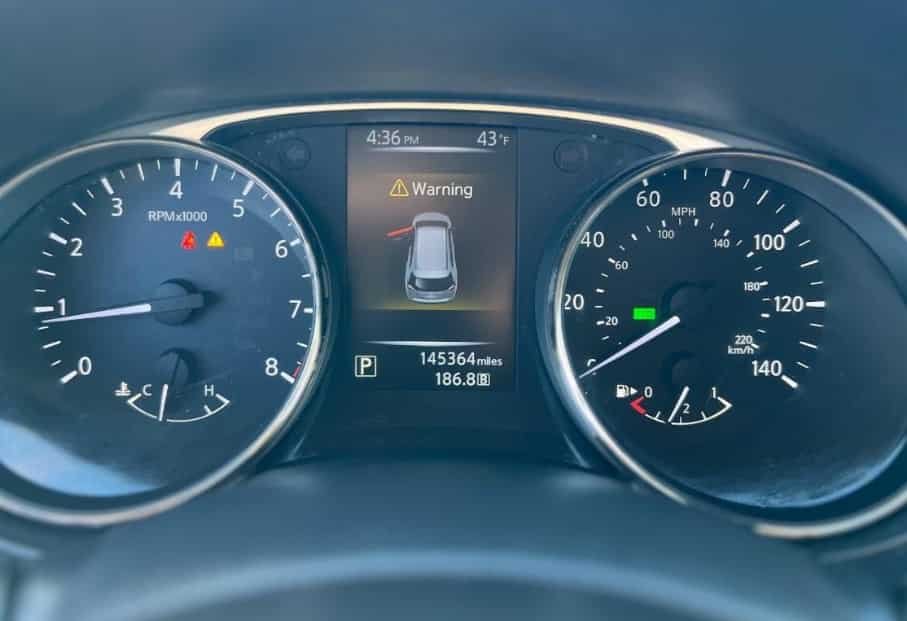
Low system voltage can also trigger several dashboard warnings at the same time. Owners may see alerts for the ABS, traction control, collision avoidance system, or power steering even when those components are functioning correctly. This happens because electronic modules constantly exchange information across the vehicle network. When voltage becomes unstable, communication errors occur and several warning lights may illuminate simultaneously. Testing the battery and charging system should always come before replacing sensors or control modules.
Infotainment issues are another common complaint among Nissan Rogue owners. The touchscreen may freeze, restart unexpectedly, or lose Bluetooth connectivity during normal use. These faults often result from outdated software, unstable voltage, damaged wiring, or internal hardware failure. Most minor software glitches can be resolved through updates, while persistent problems require professional diagnosis. Identifying the root cause before replacing expensive electronic components helps reduce repair costs and ensures the correct repair is performed.
What Fuel-System Problems Can Affect a Nissan Rogue?
Fuel system problems can significantly affect engine performance because the engine depends on a steady supply of clean fuel at the correct pressure. When the system cannot deliver enough fuel, the Nissan Rogue may hesitate during acceleration, idle roughly, or become difficult to start. These symptoms often develop gradually, making early diagnosis important before additional engine components are affected.
A failing fuel pump is one of the most common causes of fuel system problems. The pump is responsible for delivering fuel from the tank to the engine at a consistent pressure. As the pump wears out, fuel pressure may drop below the required level, especially during hard acceleration or when climbing hills. Drivers may notice sluggish acceleration, engine surging, or a sudden loss of power under load. In severe cases, the engine may stall or fail to restart because insufficient fuel reaches the injectors.
Fuel injectors can also create performance issues when they become clogged or worn. Dirty injectors disrupt the spray pattern needed for efficient combustion, causing rough idling, engine misfires, reduced fuel economy, and slower throttle response. These symptoms often resemble ignition or airflow problems, so replacing injectors without proper testing may not solve the issue. Measuring fuel pressure and scanning diagnostic trouble codes help technicians identify the actual source of the fault.
Other fuel system components may also contribute to poor engine performance. A faulty fuel pressure sensor, damaged wiring, or defective relay can interrupt fuel delivery even when the pump is operating normally. Because several components work together, technicians usually inspect the complete fuel system before replacing expensive parts. Accurate diagnosis not only restores engine performance but also prevents unnecessary repairs and reduces long-term ownership costs.
What Air-Conditioning Problems Occur in the Nissan Rogue?
Air conditioning problems are common in high-mileage Nissan Rogue models because the system operates under constant pressure and depends on several components working together. When one component begins to fail, cooling performance often declines before the system stops working completely. Drivers may notice warm air from the vents, weak airflow, unusual noises, or inconsistent cabin temperatures. Identifying these symptoms early can prevent more expensive repairs and improve driving comfort during hot weather.
One of the most common causes is a refrigerant leak. The air conditioning system is sealed, so refrigerant should not disappear during normal operation. If cooling performance gradually declines, the system should be inspected for leaks around the compressor, condenser, evaporator, or connecting lines. Simply adding refrigerant without repairing the leak usually provides only temporary relief. The refrigerant will continue to escape until the damaged component is repaired or replaced.
A failing compressor can also reduce cooling efficiency. The compressor circulates refrigerant throughout the system and maintains the pressure needed for proper cooling. As internal parts wear out, drivers may hear grinding or rattling noises when the air conditioner is running. In some cases, the compressor clutch may fail to engage, preventing cold air from reaching the cabin. Electrical faults, pressure sensor failures, or damaged relays can produce similar symptoms, making a complete system diagnosis essential.
Weak airflow is another complaint reported by Nissan Rogue owners. Unlike warm air, weak airflow usually indicates a problem inside the ventilation system rather than the refrigerant circuit. A clogged cabin air filter, worn blower motor, faulty blower resistor, or malfunctioning blend door actuator can all reduce airflow through the vents. Replacing worn components before they fail completely helps maintain cabin comfort and prevents additional strain on the climate control system.
What Suspension, Steering, and Brake Problems Affect the Nissan Rogue?
Suspension, steering, and brake problems become more common as the Nissan Rogue accumulates mileage because these components absorb constant impact from road conditions. Wear usually develops gradually, giving drivers time to recognize early warning signs before a major failure occurs. Common symptoms include clunking noises over bumps, steering vibration, uneven tire wear, squeaking brakes, grinding sounds, or longer stopping distances. Addressing these issues early improves driving safety and helps prevent additional damage to nearby components.
Suspension problems often originate from worn sway bar links, control arm bushings, ball joints, or strut mounts. As these parts wear, they lose their ability to absorb road impacts and maintain wheel alignment. Drivers may hear knocking noises when driving over rough roads or notice that the vehicle pulls slightly to one side. Excessive suspension wear can also accelerate tire wear, reducing traction and increasing long-term maintenance costs. A complete suspension inspection is the most effective way to identify worn components before they fail completely.
Steering problems usually appear as vibration, looseness, or reduced steering precision. A damaged wheel bearing may produce a humming noise that becomes louder as vehicle speed increases, while poor wheel alignment can cause the steering wheel to sit off-center or pull during straight-line driving. Tire imbalance and uneven tire wear can create similar symptoms, making proper diagnosis essential. Inspecting the steering and suspension together helps technicians determine whether the problem is caused by worn mechanical parts or incorrect wheel alignment.
Brake problems should never be ignored because they directly affect vehicle safety. Squeaking brakes often indicate worn brake pads, while grinding noises usually suggest that the friction material has worn away and metal components are contacting the brake rotor. Drivers may also notice pedal vibration or steering wheel shake during braking if the brake rotors become uneven. Replacing worn brake components promptly restores braking performance, prevents further damage, and reduces the likelihood of more expensive repairs.
What AWD and Driver-Assistance Problems Can Occur in the Nissan Rogue?
The Nissan Rogue uses an intelligent all-wheel drive (AWD) system and several driver-assistance technologies to improve traction and safety. These systems rely on electronic sensors, control modules, cameras, and radar to operate correctly. When one component fails, the vehicle may display warning messages or reduce system performance. Most problems begin with minor symptoms, making early diagnosis important before additional faults develop.
An AWD warning light is one of the first signs that the system requires attention. The warning may appear because of a faulty wheel speed sensor, damaged wiring, an overheated AWD coupling, or a malfunctioning control module. In some cases, the system temporarily disables all-wheel drive to protect internal components from damage. Drivers may notice reduced traction on wet or snowy roads because the vehicle automatically switches back to front-wheel drive until the fault is corrected.
Tire condition also plays an important role in AWD performance. All four tires should have the same size, similar tread depth, and correct air pressure. Large differences in tire circumference force the AWD system to compensate continuously, placing additional stress on the drivetrain. Over time, this extra load can increase wear on the transfer components and reduce system efficiency. Regular tire rotation and alignment help extend the life of AWD components while maintaining stable handling.
Driver-assistance features can also experience occasional faults. Owners may see warnings for Automatic Emergency Braking, Lane Departure Warning, Blind Spot Monitoring, or ProPILOT Assist. These systems depend on cameras, radar sensors, and software to monitor the road accurately. Dirt, heavy rain, snow, windshield replacement, or minor collision damage may interfere with sensor operation and trigger warning messages. In many situations, cleaning the sensors or performing a professional calibration restores normal operation without replacing expensive electronic parts.
Which Nissan Rogue Model Years Have the Most Reported Problems?
Nissan Rogue problems vary by model year because each generation uses different engines, transmissions, and electronic systems. Although some years receive more owner complaints than others, complaint volume alone does not determine reliability. Vehicle condition, maintenance history, mileage, and previous repairs have a much greater impact on long-term dependability. Evaluating the exact vehicle is always more accurate than judging it solely by its production year.
First-generation Nissan Rogue models are now old enough to experience age-related wear across several systems. Suspension components, wheel bearings, brake parts, and electrical accessories often require replacement after years of regular use. Higher-mileage vehicles may also develop transmission issues if routine maintenance has been neglected. Buyers should pay close attention to service records because consistent maintenance usually extends the life of these components.
Second-generation Rogue models receive the greatest attention because many owners have reported CVT-related concerns. Common complaints include delayed acceleration, transmission shudder, overheating, and excessive engine revving during acceleration. Not every vehicle develops these problems, but transmission condition should be carefully evaluated before purchasing a used model. Reviewing maintenance records, warranty repairs, and recall history provides a clearer picture of the vehicle’s overall condition than complaint statistics alone.
Third-generation Nissan Rogue models introduce updated engines, improved technology, and more advanced driver-assistance features. While transmission reliability has improved in many cases, owners may experience software-related issues, infotainment glitches, or electronic warning messages. These problems are often easier and less expensive to diagnose than major mechanical failures. However, buyers should still inspect the vehicle carefully and confirm that all software updates and recall repairs have been completed.
The safest approach is to inspect the individual vehicle instead of avoiding an entire model year. A well-maintained Nissan Rogue with complete service records is often a better purchase than a newer vehicle with poor maintenance or unresolved mechanical problems. A professional pre-purchase inspection remains the most reliable way to identify hidden faults and estimate future repair costs.
How Much Do Common Nissan Rogue Repairs Cost?
Repair costs for a Nissan Rogue vary depending on the affected system, the model year, labor rates, and the extent of the damage. Small repairs are usually completed quickly and require only a few replacement parts. Major mechanical failures, however, often involve additional labor and multiple components. Understanding the typical repair categories helps owners estimate future expenses and decide whether repairing the vehicle is more practical than replacing it.
Transmission repairs are usually the most expensive because the CVT is one of the most complex systems in the vehicle. Minor services, such as replacing a sensor or changing degraded CVT fluid, cost significantly less than repairing internal components. If the valve body or transmission assembly is damaged, repair costs increase substantially due to the amount of labor involved. For high-mileage vehicles, owners should compare the repair estimate with the vehicle’s market value before approving major transmission work.
Engine repairs cover a wide range of costs because different components fail for different reasons. Replacing spark plugs, ignition coils, or sensors is generally affordable and can restore normal engine performance. Fuel system repairs and gasket replacements usually fall into the middle price range. Complete engine replacement remains the most expensive option and is normally considered only when severe internal damage has occurred. Accurate diagnosis prevents unnecessary repairs and ensures that only the failed components are replaced.
Electrical, suspension, brake, and air conditioning repairs are usually more predictable. Battery replacement, brake pad service, and wheel alignment are common maintenance expenses for most owners. Larger repairs, including alternator replacement, wheel bearing replacement, air conditioning compressor replacement, or infotainment repairs, require more labor and increase the total cost. Requesting a detailed written estimate allows owners to compare repair shops, understand labor charges, and avoid unexpected expenses before work begins.
How Can You Diagnose a Nissan Rogue Problem Before It Gets Worse?
Early diagnosis is the best way to prevent minor Nissan Rogue problems from becoming major repairs. Most mechanical and electrical faults produce warning signs before a complete failure occurs. Paying attention to these symptoms allows owners to schedule repairs before additional components are damaged. This approach not only improves vehicle reliability but also reduces long-term repair costs.
Dashboard warning lights are usually the first indication that something is wrong. A check engine light may signal an engine, fuel system, or emissions problem, while a transmission warning light often points to a CVT-related fault. Drivers should also take brake, oil pressure, battery, and temperature warnings seriously because these systems directly affect vehicle safety. Continuing to drive after these warnings appear can increase the severity of the damage and lead to more expensive repairs.
Changes in vehicle behavior also provide valuable diagnostic clues. Hesitation during acceleration, rough idling, unusual vibrations, grinding noises, or difficulty starting often indicate that a component is beginning to fail. Fluid leaks beneath the vehicle, burning smells, or excessive exhaust smoke should never be ignored because they may reveal developing engine, transmission, or cooling system problems. Recording when these symptoms occur helps technicians identify the root cause more quickly.
Owners should collect as much information as possible before visiting a repair shop. The vehicle mileage, warning lights, driving conditions, outside temperature, and recent maintenance history all help narrow the diagnosis. If a scan tool is available, recording diagnostic trouble codes can further reduce inspection time. Providing accurate information allows technicians to identify faults more efficiently and minimizes the risk of replacing parts that are still functioning correctly.
Some problems require immediate attention and the vehicle should not be driven. Severe transmission slipping, engine overheating, flashing check engine lights, loss of braking performance, or a sudden drop in oil pressure can lead to serious mechanical damage or create a safety risk. In these situations, towing the vehicle to a qualified repair facility is often safer and less expensive than continuing to drive until the failure becomes more severe.
Are Nissan Rogue Recalls the Same as Common Reliability Problems?
No, Nissan Rogue recalls are not the same as common reliability problems. A recall is issued when a manufacturer or safety authority identifies a defect that could affect vehicle safety or regulatory compliance. A reliability problem, on the other hand, refers to an issue that owners frequently experience during normal use. These problems may reduce vehicle performance or increase repair costs, but they do not automatically qualify for a recall. Understanding the difference helps owners determine whether a repair may be covered or paid out of pocket.
A safety recall applies only to specific vehicles that meet certain production criteria. Eligibility is determined by the vehicle identification number (VIN), not simply by the model year. If a Nissan Rogue is included in an active recall, the manufacturer typically repairs the affected component at no cost to the owner. Checking the VIN before purchasing a used Rogue is an effective way to confirm whether all recall repairs have already been completed.
Not every recurring problem results in a recall. Some issues are addressed through a Technical Service Bulletin (TSB), which provides repair procedures for dealerships and technicians. A TSB helps diagnose known problems but does not guarantee free repairs. In other situations, Nissan may introduce a warranty extension that covers specific components for a longer period. Coverage depends on the vehicle’s model year, mileage, and service history rather than the existence of the problem alone.
Owners should review recalls, TSBs, warranty records, and maintenance history together when evaluating a Nissan Rogue. A vehicle with completed recall repairs and consistent maintenance is usually a lower-risk purchase than one with missing service records. Verifying this information before buying or repairing the vehicle provides a more accurate picture of its condition and helps owners avoid unexpected repair expenses.
How Can Owners Prevent Common Nissan Rogue Problems?
Preventive maintenance is the most effective way to reduce common Nissan Rogue problems and extend the vehicle’s service life. Most major repairs begin with small issues that develop gradually over time. Regular inspections allow owners to identify worn components before they affect other systems. Following the manufacturer’s maintenance schedule also improves reliability and helps keep repair costs under control.
Routine fluid maintenance plays an important role in protecting the engine, transmission, and braking system. Engine oil should be replaced at the recommended interval to reduce friction and prevent excessive internal wear. Coolant, brake fluid, and CVT fluid should also be inspected regularly because contaminated or low fluid levels can reduce system performance. Using the correct fluid specification is equally important, especially for the CVT, because the wrong fluid may affect lubrication, hydraulic pressure, and transmission operation.
Battery and electrical system inspections should be included in every maintenance routine. Testing the battery before winter or summer helps identify weak cells before they fail completely. Cleaning battery terminals and checking the alternator output also reduce the risk of unexpected starting problems. If dashboard warning lights appear or electronic features begin to operate irregularly, diagnosing the electrical system early can prevent damage to additional components.
Proper tire maintenance also helps protect the suspension, steering, and AWD system. Tire pressure should be checked regularly because underinflated or overinflated tires wear unevenly and reduce handling performance. AWD models should always use matching tires with similar tread depth to minimize stress on drivetrain components. Rotating the tires and performing wheel alignment at recommended intervals further improves stability and extends tire life.
Drivers should never ignore unusual noises, warning lights, or changes in vehicle performance. Small symptoms often indicate that a component is beginning to fail rather than experiencing a sudden breakdown. Addressing problems early usually costs less than repairing secondary damage caused by continued driving. A combination of routine maintenance, careful driving habits, and timely repairs remains the best strategy for preventing common Nissan Rogue problems and improving long-term ownership experience.
What Should You Check Before Buying a Used Nissan Rogue?
Buying a used Nissan Rogue can be a smart decision, but the vehicle should be inspected carefully before completing the purchase. A clean exterior or low mileage does not always indicate good mechanical condition. The service history, transmission performance, and overall maintenance record provide a more accurate picture of long-term reliability. Spending time on a detailed inspection can help buyers avoid expensive repairs after taking ownership.
The test drive is one of the most important parts of the inspection. The engine should start easily and idle smoothly without unusual vibration or warning lights. During acceleration, the CVT should respond smoothly without hesitation, shuddering, or excessive engine revving. Buyers should also test the vehicle at city and highway speeds to check for transmission noise, steering vibration, or brake pulsation. Any abnormal behavior during the drive deserves further investigation before making a purchase decision.
The vehicle should also be inspected for signs of poor maintenance or previous damage. Fluid leaks under the engine or transmission may indicate worn seals or neglected servicing. Uneven tire wear can suggest suspension problems or incorrect wheel alignment. Buyers should also verify that the air conditioning, infotainment system, backup camera, and driver-assistance features operate correctly. Testing every major system reduces the chance of discovering hidden faults after the sale.
Service records are just as important as the vehicle’s current condition. Maintenance invoices, recall repairs, and transmission service history provide valuable information about how the vehicle has been cared for. Buyers should also verify the VIN to confirm that all applicable recalls have been completed. If documentation is incomplete or unavailable, arranging an independent pre-purchase inspection is a worthwhile investment.
A used Nissan Rogue is generally worth considering when it has a smooth-driving transmission, a well-maintained engine, complete service records, and no unresolved warning lights. On the other hand, buyers should walk away from vehicles with severe CVT slipping, persistent dashboard warnings, overheating problems, flood damage, or signs of major accident repairs. Choosing a well-maintained vehicle instead of focusing only on model year significantly reduces the risk of unexpected repair costs.
Conclusion: Is a Nissan Rogue Reliable Enough to Buy or Keep?
A Nissan Rogue can be a reliable SUV when it receives proper maintenance and repairs are completed before small problems become serious. Like many modern vehicles, its long-term dependability depends more on maintenance history than on model year alone. A well-maintained Rogue often delivers years of dependable service, while a neglected vehicle can become expensive to own regardless of its age.
The CVT transmission remains the component that deserves the closest attention because it has the greatest impact on repair costs and overall reliability. Buyers should also evaluate engine performance, electrical operation, suspension condition, brake performance, and service records before making a purchasing decision. Looking at the complete condition of the vehicle provides a much clearer assessment than relying on online complaint statistics alone.
Current owners can reduce repair costs by responding quickly to warning lights, unusual noises, and changes in vehicle performance. Routine inspections, scheduled maintenance, and early diagnosis often prevent small faults from developing into major repairs. These simple habits not only improve reliability but also extend the service life of important components.
Whether you plan to buy or keep a Nissan Rogue, making decisions based on a professional inspection and documented maintenance history is the safest approach. Verifying the VIN, reviewing repair records, and scanning the vehicle for diagnostic trouble codes provide valuable information before investing in major repairs or purchasing a used model. A careful evaluation today can prevent unexpected expenses and provide greater confidence throughout ownership.