The Nissan Kicks has several recurring problems that buyers and owners should understand before making a repair or purchase decision. The most important concerns involve CVT transmission shuddering, delayed acceleration, electrical faults, driver assistance warnings, weak air conditioning, suspension noise, and brake vibration. These issues do not affect every vehicle, but they can increase repair costs and reduce driving confidence when they are ignored.
Problem severity depends on the model year, mileage, maintenance history, climate, and previous repair quality. A minor infotainment fault may only require a software reset, while severe CVT hesitation or delayed engagement can lead to an expensive transmission repair. Warning lights also require careful diagnosis because a weak 12 volt battery can trigger several system alerts at the same time.
Earlier Nissan Kicks model years deserve closer inspection because they have accumulated more mileage and a longer complaint history. Newer models may have fewer reported problems, but they also have less long term reliability data. Buyers should therefore evaluate each vehicle through its service records, recall status, diagnostic results, and road test performance.
This guide explains the most common Nissan Kicks problems, their symptoms, likely causes, repair options, higher risk model years, recall checks, and the steps required before buying a used Nissan Kicks.
What Are the Most Common Nissan Kicks Problems?
The most common Nissan Kicks problems affect the CVT transmission, electrical system, driver assistance features, air conditioning, suspension, brakes, and infotainment system. Among these issues, CVT faults create the biggest ownership risk. They can reduce drivability and lead to expensive repairs if owners ignore the early warning signs. Electrical and comfort-related problems usually cost less to repair, but they can still affect the overall driving experience. The condition of each vehicle depends on its model year, mileage, maintenance history, and previous repairs.
Many owners report CVT transmission problems first. Common symptoms include shuddering during acceleration, delayed engagement when selecting Drive or Reverse, hesitation at low speeds, and engine speed rising without matching vehicle speed. Worn internal components, degraded transmission fluid, valve body faults, or outdated software can all cause these symptoms. Drivers should inspect the transmission as soon as these signs appear. Early repairs often prevent more serious damage and reduce long-term repair costs.
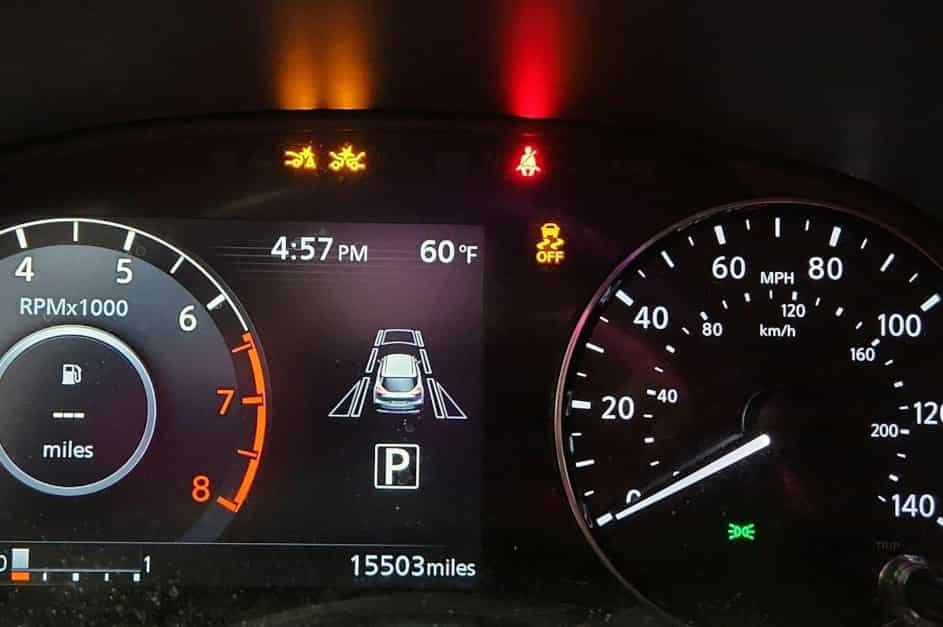
Electrical faults also appear in owner reports. A weak 12-volt battery, poor wiring connections, or charging system problems can trigger multiple warning lights at the same time. Low voltage may also affect the push-button start system, keyless entry, infotainment screen, and advanced safety features. Technicians should diagnose the electrical system before replacing any parts. This process identifies the real fault and prevents unnecessary repairs.
Some Nissan Kicks owners also experience problems with the automatic emergency braking system, forward collision warnings, air conditioning, suspension, and brakes. Dirty sensors, damaged components, refrigerant leaks, worn suspension parts, or uneven brake wear often cause these issues. Most repairs cost less than a transmission replacement, but owners should not delay inspection. Fixing small problems early improves reliability and helps prevent more expensive repairs later.
Does the Nissan Kicks Have CVT Transmission Problems?
Yes, some Nissan Kicks models have reported CVT transmission problems. However, these issues do not affect every vehicle. Most complaints involve hesitation, shuddering, delayed acceleration, or unusual transmission noise. The risk also varies by model year, maintenance history, and driving conditions. A well-maintained transmission often performs normally for many years, while poor maintenance can accelerate internal wear.
Many drivers first notice a slight hesitation when pulling away from a stop. Others experience a noticeable shudder during light acceleration or a delay after shifting into Drive or Reverse. In more serious cases, the engine speed increases while the vehicle struggles to gain speed. These symptoms usually develop gradually instead of appearing without warning. Drivers should inspect the transmission as soon as they notice these changes because early diagnosis can prevent more expensive repairs.
Several factors can trigger CVT problems in the Nissan Kicks. Old transmission fluid can reduce hydraulic pressure and increase internal friction. A faulty valve body may interrupt smooth power delivery. Outdated transmission software can also affect shift logic and throttle response. In higher-mileage vehicles, worn pulleys, bearings, or internal belts may create vibration and abnormal noise. Each condition produces similar symptoms, so technicians should complete a full diagnosis before replacing major components.
Not every acceleration problem points to a failing CVT. A dirty mass airflow sensor, weak ignition coil, clogged fuel injector, or low battery voltage can produce similar driving symptoms. For this reason, technicians should scan the vehicle for diagnostic trouble codes, inspect the transmission fluid, and perform a road test before recommending repairs. This approach identifies the real cause and prevents unnecessary parts replacement.
Owners can reduce the risk of CVT failure through regular maintenance and early inspections. They should follow the manufacturer’s service schedule and use the specified transmission fluid whenever service is required. They should also avoid ignoring shuddering, delayed engagement, or warning lights because these symptoms rarely improve on their own. Prompt repairs often cost less than replacing the entire transmission and help extend the service life of the drivetrain.
Why Does the Nissan Kicks Hesitate or Lose Power?
A Nissan Kicks can hesitate or lose power for several reasons. The problem does not always originate from the CVT transmission. Engine performance, fuel delivery, airflow, ignition, and electrical faults can produce similar symptoms. Identifying the root cause is essential because replacing the wrong component increases repair costs without solving the problem.
Many drivers notice hesitation when accelerating from a stop or merging onto a highway. The vehicle may respond slowly to throttle input or struggle to build speed. In some cases, the engine revs higher while acceleration remains weak. Drivers may also see the check engine light or other warning messages. These signs often indicate that the powertrain needs immediate inspection rather than continued driving.
Several mechanical issues can reduce engine performance. A dirty mass airflow sensor may send incorrect airflow data to the engine control module. A clogged fuel injector can restrict fuel delivery and reduce combustion efficiency. Worn spark plugs or failing ignition coils may cause engine misfires under load. Each of these faults can make the vehicle feel sluggish, especially during acceleration or when climbing hills.
The CVT transmission can also contribute to poor acceleration. Low hydraulic pressure, worn internal components, or valve body faults may interrupt smooth power delivery. However, technicians should never assume the transmission is responsible without completing a proper diagnosis. Similar symptoms can result from engine-related problems, making a full inspection the safest approach.
Drivers should act quickly when the vehicle loses power unexpectedly. They should move to a safe location if traffic conditions allow and check for warning lights on the dashboard. A diagnostic scan can identify stored trouble codes and narrow the possible causes. Technicians should also inspect the transmission fluid, battery voltage, and fuel system before recommending repairs. Early diagnosis often prevents additional damage and helps restore normal performance with fewer replacement parts.
What Electrical Problems Affect the Nissan Kicks?
Electrical problems rank among the most common Nissan Kicks complaints. Most issues involve the 12-volt battery, charging system, dashboard warning lights, keyless entry, and infotainment features. Although these faults rarely damage the engine, they can affect vehicle reliability and confuse drivers. Many electrical symptoms also appear suddenly, making a proper diagnosis more important than replacing parts based on warning lights alone.
A weak 12-volt battery causes many unexpected electrical problems. As battery voltage drops, electronic control modules receive unstable power and may stop communicating correctly. This condition can trigger multiple warning lights even when the affected systems work normally. Drivers may also notice slow engine cranking, intermittent push-button start failure, or keyless entry problems before the battery fails completely.
Charging system faults can create similar symptoms. A worn alternator, loose battery terminals, or damaged wiring may prevent the battery from maintaining the correct voltage. As a result, the vehicle may experience random electrical resets or repeated battery failures. Technicians should always test battery condition and charging output before replacing expensive electronic components. This simple inspection often identifies the real source of the problem.
Some owners also report infotainment problems during daily driving. The touchscreen may freeze, restart unexpectedly, or lose connection with Apple CarPlay or Android Auto. In many cases, outdated software, damaged USB cables, or incompatible mobile devices cause these issues instead of hardware failure. Updating the system software and checking all connections usually resolves minor connectivity problems without replacing the head unit.
Electrical faults should never be ignored because small voltage problems can affect several vehicle systems at the same time. Drivers should investigate repeated warning lights, battery drain, or electronic malfunctions as soon as they appear. Early diagnosis helps prevent unexpected breakdowns, reduces unnecessary repair costs, and keeps the Nissan Kicks operating safely and reliably.
Does the Nissan Kicks Have Automatic Emergency Braking Problems?
Some Nissan Kicks owners report problems with the Automatic Emergency Braking system. However, these reports do not mean every vehicle has a defective safety system. Many warning messages result from temporary sensor interference rather than component failure. Drivers should identify the cause before assuming the system requires major repairs.
The Automatic Emergency Braking system relies on cameras, sensors, and electronic control modules to detect potential collisions. These components constantly monitor the road and calculate the distance to vehicles ahead. If the system detects an imminent collision, it warns the driver and may apply the brakes automatically. Accurate sensor data is essential because even a small error can affect system performance.
Temporary warning messages often appear when dirt, mud, snow, heavy rain, or road debris blocks the front camera or radar sensor. Bright sunlight, dense fog, and poor weather can also reduce sensor visibility. In many situations, the warning disappears after the sensor area is cleaned or driving conditions improve. Drivers should always inspect the front camera and sensor surfaces before scheduling repairs.
Persistent warnings require a more detailed inspection. A damaged sensor, loose wiring connection, or incorrect calibration can prevent the system from operating correctly. Windshield replacement or front-end collision repairs may also change the camera position and affect sensor alignment. Technicians should recalibrate the system after these repairs to restore accurate operation and maintain reliable collision detection.
Drivers should never ignore repeated Automatic Emergency Braking warnings. Although the vehicle remains drivable in many cases, the system may not provide the expected level of protection during an emergency. A professional diagnostic inspection can identify stored fault codes, verify sensor alignment, and confirm that every safety feature operates as designed. Early diagnosis improves driver confidence and helps ensure the Nissan Kicks continues to deliver the intended level of safety.
What Air-Conditioning Problems Occur in the Nissan Kicks?
Air-conditioning problems are less common than CVT or electrical issues, but they can still affect everyday comfort. Many Nissan Kicks owners report weak cooling, warm air at idle, inconsistent cabin temperature, or reduced airflow from the vents. Most of these problems develop gradually instead of appearing without warning. Early diagnosis often prevents small faults from becoming expensive repairs.
Low refrigerant is one of the most common causes of poor cooling performance. Refrigerant naturally circulates through the air-conditioning system and absorbs heat from the cabin. A leak reduces system pressure and limits cooling efficiency. Drivers may notice that the air feels cool while driving but becomes warm when the vehicle stops. Technicians should locate and repair the leak before adding more refrigerant because repeated recharging only provides a temporary solution.
A failing compressor can also reduce cooling performance. The compressor moves refrigerant through the system and maintains the pressure needed for effective cooling. Internal wear, clutch failure, or contamination may prevent the compressor from operating correctly. Drivers often hear unusual noises or experience warm air even when the air conditioner remains switched on. Replacing the compressor without inspecting the rest of the system may leave the original problem unresolved.
Restricted airflow can produce similar symptoms. A dirty cabin air filter limits the amount of air entering the passenger compartment and reduces overall cooling efficiency. Faulty blower motors, damaged cooling fans, or malfunctioning blend door actuators may also prevent the system from delivering consistent airflow. These components should be inspected before replacing larger air-conditioning parts because they often cause similar complaints at a much lower repair cost.
Drivers should inspect air-conditioning problems as soon as cooling performance begins to decline. Prompt repairs improve cabin comfort and help protect expensive components from additional damage. A complete inspection should include refrigerant pressure, compressor operation, blower performance, electrical connections, and system controls. This approach identifies the real fault and restores reliable cooling without unnecessary parts replacement.
What Suspension, Steering, and Brake Problems Affect the Nissan Kicks?
Suspension, steering, and brake problems are less frequent than transmission or electrical issues, but they can still affect ride quality and vehicle control. Many Nissan Kicks owners report clunking noises, steering vibration, uneven tire wear, brake squeal, or pedal pulsation. These symptoms often appear gradually as components wear over time. Identifying the source early helps prevent additional damage and reduces long-term repair costs.
Front suspension noise is one of the most common complaints. Drivers may hear a clunk or knocking sound when driving over speed bumps or rough roads. Worn stabilizer links, damaged control arm bushings, or failing strut mounts often cause these noises. Loose suspension hardware can produce similar sounds, making a visual inspection essential before replacing any parts. Fixing worn components early helps maintain ride comfort and improves steering stability.
Steering vibration may indicate several different problems. Uneven tire wear, incorrect wheel alignment, damaged tires, or unbalanced wheels can all cause the steering wheel to shake at certain speeds. In some cases, worn wheel bearings or suspension components also contribute to vibration. Technicians should inspect the tires first because they are often the simplest and most cost-effective solution. A complete steering and suspension inspection becomes necessary if the vibration continues after tire service.
Brake problems usually develop as normal wear increases. Many owners notice squealing brakes, pedal pulsation, or vibration during braking. Worn brake pads, uneven rotor surfaces, or excessive rotor wear commonly create these symptoms. Drivers should never ignore grinding noises or a soft brake pedal because both conditions can reduce stopping performance and increase safety risks. Replacing worn brake components at the right time helps maintain consistent braking and prevents damage to other parts.
Regular inspections play an important role in preventing suspension and brake problems. Routine tire rotation, wheel alignment, and brake inspections help identify abnormal wear before it becomes severe. Drivers should also pay attention to new noises, steering changes, or braking performance because these symptoms often appear long before a major component fails. Early maintenance improves vehicle safety, extends component life, and reduces unexpected repair expenses.
Which Nissan Kicks Model Years Should Buyers Avoid?
No Nissan Kicks model year should be avoided based only on online complaints. Buyers should evaluate each vehicle by reviewing its maintenance history, mileage, recall status, and overall condition. A well-maintained Nissan Kicks with higher mileage can be a better purchase than a neglected vehicle with fewer miles. Looking at the complete ownership history provides a more accurate picture than relying on model year alone.
The 2018 Nissan Kicks deserves the closest inspection because it was the first model year sold in the United States. As the oldest version, many vehicles now have higher mileage and more wear on critical components. Some owners have reported CVT hesitation, transmission shudder, electrical faults, and driver assistance warnings. While these problems do not affect every vehicle, buyers should complete a thorough inspection and confirm that all recommended repairs have been performed.
The 2019 and 2020 model years also require careful attention. Most owner complaints continue to involve transmission performance, battery-related electrical issues, and occasional infotainment or air-conditioning problems. Buyers should verify whether the vehicle has received all applicable recall repairs or service campaigns. A complete service history and a smooth road test often provide more useful information than complaint statistics alone.
The 2021 through 2024 Nissan Kicks generally show fewer reported problems. However, these vehicles are newer and usually have lower mileage. Fewer complaints do not automatically indicate higher long-term reliability. Buyers should still inspect the CVT transmission, electrical system, suspension, and safety features before completing a purchase. Regular maintenance remains one of the strongest indicators of future reliability.
The redesigned 2025 Nissan Kicks introduces significant changes to the platform, technology, and available drivetrain. Because this generation is still new, there is limited long-term reliability data. Early owner feedback provides useful information, but it cannot predict how these vehicles will perform after several years of daily use. Buyers should monitor future recalls, service bulletins, and owner reports as more vehicles accumulate higher mileage.
The best buying decision depends on the condition of the individual vehicle rather than its production year. A pre-purchase inspection by an independent mechanic can identify hidden transmission problems, electrical faults, accident damage, or poor-quality repairs before money changes hands. Combining inspection results with verified service records gives buyers the best chance of finding a reliable Nissan Kicks and avoiding unexpected repair costs.
What Nissan Kicks Recalls and Service Bulletins Should Owners Check?
Nissan Kicks owners should review recalls and Technical Service Bulletins before purchasing a used vehicle or scheduling major repairs. These manufacturer notices provide valuable information about known issues, recommended repairs, and potential safety concerns. However, a recall and a Technical Service Bulletin are not the same. Understanding the difference helps owners determine whether a repair qualifies for free service or requires normal maintenance.
A safety recall addresses a defect that may increase the risk of a crash or injury. When a vehicle qualifies for a recall, Nissan repairs the affected component at no cost to the owner. By contrast, a Technical Service Bulletin provides repair instructions for dealership technicians. It explains how to diagnose or correct a known condition, but it does not automatically extend warranty coverage or guarantee a free repair. Owners should never assume that every Technical Service Bulletin applies to their vehicle.
Checking recall status is a simple but important step. Owners should locate the 17-character Vehicle Identification Number and search the official recall database. They should also contact a Nissan dealership to confirm whether any recalls or service campaigns remain open. Even if a previous owner completed a repair, requesting documentation helps verify that the work meets the manufacturer’s requirements. This process also identifies software updates or inspection programs that may improve vehicle performance.
Used-car buyers should pay close attention to transmission-related campaigns, electrical system updates, and safety feature repairs. These items can influence both reliability and future ownership costs. A complete service history that includes recall documentation provides greater confidence than maintenance records alone. Buyers should also compare dealership records with the vehicle history report to confirm that important repairs were completed.
Owners should check for new recalls at least once a year because manufacturers may release additional campaigns after a vehicle enters service. Regular verification ensures that important safety repairs are completed as soon as they become available. Staying informed also protects the vehicle’s reliability, resale value, and long-term safety.
How Much Do Common Nissan Kicks Repairs Cost?
Repair costs for a Nissan Kicks vary depending on the affected component, labor rates, and the extent of the damage. Minor maintenance items usually cost much less than major drivetrain repairs. For this reason, owners should diagnose the problem before approving any repairs. Replacing parts without identifying the root cause can increase expenses and leave the original problem unresolved.
The CVT transmission is typically the most expensive system to repair. Minor issues such as software updates or transmission fluid service cost far less than replacing internal components. However, severe internal damage may require a valve body replacement or a complete transmission replacement. The final repair cost depends on the condition of the transmission and whether Nissan provides warranty coverage or a service campaign for the affected vehicle.
Electrical repairs often cost less than transmission work, but prices still vary widely. Replacing a weak battery is usually inexpensive, while diagnosing wiring faults or replacing electronic control modules requires more labor and specialized equipment. Infotainment repairs also range from simple software updates to complete display replacement. Accurate diagnosis remains the best way to avoid paying for unnecessary parts.
Air-conditioning, suspension, and brake repairs generally fall into the low to moderate price range. Replacing a cabin air filter or brake pads costs much less than installing a new compressor or repairing damaged suspension components. Drivers who ignore small problems often face higher repair bills because worn parts can damage nearby components over time. Regular inspections help identify these issues before they become more serious.
Labor costs also influence the final repair bill. Dealership service centers usually charge higher hourly rates than independent repair shops, although dealerships often have direct access to manufacturer software updates and technical information. Parts availability, vehicle location, and repair complexity also affect the total price. Owners should request a written estimate that separates diagnostic fees, labor charges, replacement parts, and applicable taxes before approving any work. Comparing several estimates can also help identify a fair market price without sacrificing repair quality.
What Should You Check Before Buying a Used Nissan Kicks?
Buying a used Nissan Kicks requires more than checking the exterior or taking a short test drive. A vehicle may look well maintained while hiding expensive mechanical or electrical problems. Buyers should evaluate the transmission, engine, suspension, safety systems, and maintenance history before making a decision. A careful inspection reduces the risk of unexpected repairs and provides a clearer picture of the vehicle’s overall condition.
The test drive is the best opportunity to identify potential problems. Start the engine when it is completely cold and listen for unusual noises. During the drive, pay attention to how the CVT transmission responds at low and highway speeds. The vehicle should accelerate smoothly without hesitation, shuddering, or delayed engagement. Steering should feel stable, and the brakes should stop the vehicle without vibration or abnormal noise. Testing the air conditioning, infotainment system, and driver assistance features also helps confirm that every major system operates correctly.
Service records provide valuable information about previous maintenance and repairs. Buyers should ask for oil change records, transmission service invoices, battery replacement receipts, and documentation for recall repairs. A complete maintenance history usually indicates that the previous owner followed the recommended service schedule. Missing records do not always mean the vehicle has problems, but they make it more difficult to verify how well the vehicle has been maintained.
A professional pre-purchase inspection offers another level of protection. An experienced technician can inspect the suspension, brakes, electrical system, engine, and transmission for hidden defects. They can also scan the vehicle for stored diagnostic trouble codes that may not trigger a dashboard warning light. This inspection often reveals developing problems before they become expensive repairs and gives buyers stronger negotiating power if repairs are needed.
Buyers should also review the vehicle history report before completing the purchase. Previous accident damage, flood exposure, title issues, or inconsistent mileage records can reduce long-term reliability and resale value. Combining the vehicle history report with a road test, service records, and an independent inspection provides the most reliable way to evaluate a used Nissan Kicks. Taking these steps helps buyers avoid costly surprises and choose a vehicle with greater long-term value.
Is a Used Nissan Kicks Worth Buying?
A used Nissan Kicks is worth buying if it has been well maintained and passes a thorough inspection. The model offers good fuel economy, practical interior space, and affordable ownership costs compared with many competitors. However, buyers should evaluate the condition of each vehicle instead of relying only on its model year. A complete service history and a healthy CVT transmission are often better indicators of reliability than mileage alone.
The Nissan Kicks is a good choice for drivers who need an efficient crossover for daily commuting. Its compact size makes parking easier in busy cities, while the elevated driving position improves visibility. The cabin also provides enough space for small families, and the cargo area meets the needs of most everyday activities. Buyers who prioritize comfort, fuel efficiency, and low running costs often find the Nissan Kicks a practical option.
Before purchasing a used model, buyers should pay close attention to the CVT transmission. The vehicle should accelerate smoothly without hesitation, shuddering, or excessive engine revving. Any delay when shifting into Drive or Reverse deserves further inspection because these symptoms may indicate transmission wear. Buyers should also confirm that the engine runs smoothly and that no warning lights remain illuminated after the test drive.
Maintenance records play an important role in determining long-term reliability. Regular oil changes, documented transmission service, battery replacement records, and completed recall repairs all indicate responsible ownership. Vehicles with consistent maintenance histories usually present fewer unexpected problems than those with incomplete documentation. Buyers should also verify the Vehicle Identification Number to confirm that all applicable recalls have been completed.
A pre-purchase inspection remains the safest way to evaluate any used Nissan Kicks. An independent technician can identify hidden mechanical issues, electrical faults, suspension wear, or accident damage before the purchase is finalized. This inspection may also reveal diagnostic trouble codes that are not visible during a normal road test. Spending a small amount on a professional inspection can prevent much larger repair costs after the purchase.
Overall, a used Nissan Kicks can provide reliable transportation when buyers choose the right vehicle. A clean maintenance history, smooth transmission performance, completed recall repairs, and a successful inspection are stronger indicators of reliability than the production year alone. Buyers who complete these checks are more likely to enjoy lower ownership costs and fewer unexpected repairs over the long term.
How Can Owners Prevent Common Nissan Kicks Problems?
Preventive maintenance is the most effective way to reduce the risk of common Nissan Kicks problems. Although no vehicle is completely free from mechanical or electrical failures, regular inspections can identify minor issues before they become expensive repairs. Following the recommended maintenance schedule also helps improve reliability, maintain performance, and extend the lifespan of important components such as the CVT transmission, engine, and braking system.
Routine fluid inspections play an important role in long-term vehicle health. Engine oil, coolant, brake fluid, and transmission fluid should remain at the correct level and condition. Dirty or contaminated fluids increase friction, reduce cooling efficiency, and accelerate component wear. Owners should also use fluids that meet Nissan’s specifications because incorrect products may affect performance and shorten the service life of critical systems.
Battery maintenance is equally important because modern vehicles depend on stable electrical power. A weak battery can trigger multiple warning lights and cause electronic systems to behave unpredictably. Owners should inspect the battery terminals for corrosion and test battery performance before extreme weather arrives. Replacing an aging battery before it fails helps prevent unexpected starting problems and reduces the risk of electrical faults.
Drivers should also pay attention to unusual noises, warning lights, or changes in vehicle performance. Small symptoms rarely disappear without a reason. A slight transmission shudder, suspension noise, or steering vibration often becomes more severe if left untreated. Scheduling an inspection when the first signs appear usually lowers repair costs and prevents additional damage to nearby components.
Regular tire maintenance also improves safety and reliability. Correct tire pressure, wheel alignment, and tire rotation promote even tread wear and reduce unnecessary stress on the suspension and steering system. Owners should also keep the front camera and other safety sensors clean because dirt, snow, and road debris can interfere with driver assistance features. Consistent maintenance protects the vehicle, improves resale value, and helps the Nissan Kicks deliver reliable performance throughout its service life.
What Is the Final Verdict on Nissan Kicks Problems?
The Nissan Kicks offers good fuel economy, practical interior space, and affordable ownership costs, making it an attractive choice for many drivers. However, buyers should understand its most common problem areas before making a purchase. CVT transmission issues remain the biggest concern because they can affect drivability and lead to expensive repairs. Electrical faults, driver assistance warnings, air-conditioning problems, suspension noise, and brake wear also appear in owner reports, although they usually vary by model year and maintenance history.
No single model year should be judged only by the number of online complaints. Vehicle condition, service history, mileage, and repair quality have a much greater impact on long-term reliability. A Nissan Kicks that has received regular maintenance and completed recall repairs will often provide a better ownership experience than a neglected vehicle with fewer miles. Buyers should always verify the maintenance records and complete an independent inspection before making a final decision.
Overall, a used Nissan Kicks can be a smart purchase when the transmission operates smoothly, the electrical system functions correctly, and all major safety features perform as expected. Taking the time to inspect the vehicle carefully helps reduce ownership risks and prevents costly surprises after the purchase. With proper maintenance and timely repairs, many Nissan Kicks owners can enjoy dependable daily transportation for years to come.