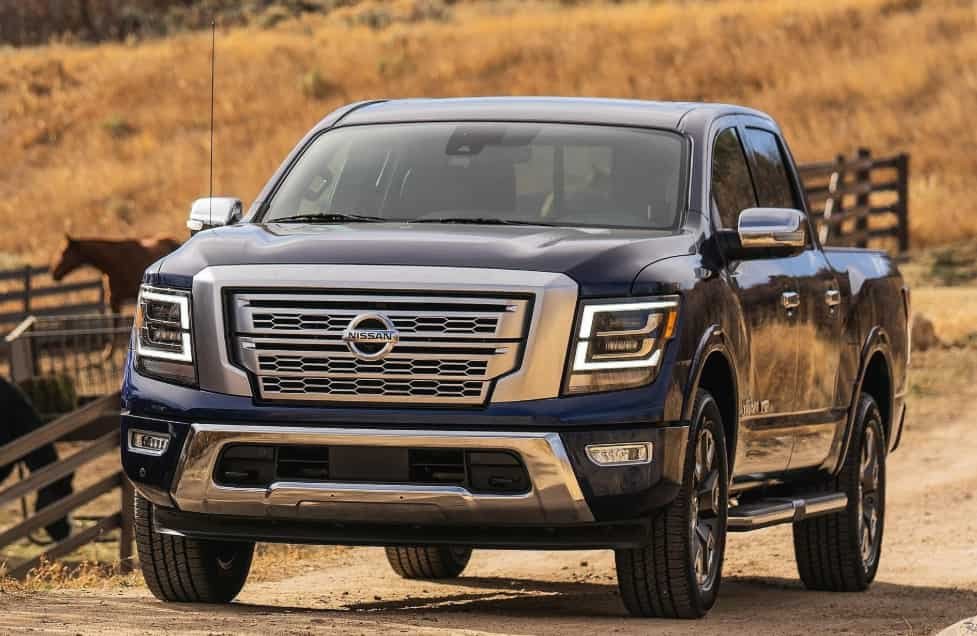
The Nissan Titan is a capable full size pickup truck, but its reliability depends heavily on the model year, engine, transmission, maintenance history, and previous workload. Some trucks can exceed 150,000 miles with routine service, while others develop expensive drivetrain, fuel system, exhaust, or electrical problems much earlier.
The most common Nissan Titan problems include rear differential failure, transmission hesitation, cracked exhaust manifolds, fuel pump faults, cooling system leaks, suspension wear, and electrical warning lights. The Titan XD requires separate attention because its Cummins diesel engine has different maintenance needs and repair risks from the gasoline powered Titan.
Not every reported problem affects every truck. A vehicle with complete service records, resolved recalls, and regular fluid changes can be more dependable than a newer truck with poor maintenance. Mileage alone also does not determine reliability. Towing history, corrosion, idle time, modifications, and previous repairs can have a greater effect on long term condition.
This guide explains the most common Nissan Titan problems, the symptoms owners should watch for, the model years that require extra caution, expected repair risks, overall reliability, and the best years to consider when buying a used Titan.
What Are the Most Common Nissan Titan Problems?
The Nissan Titan is generally considered a durable full size pickup, but it is not free from recurring mechanical issues. The most common Nissan Titan problems involve the engine, transmission, rear differential, exhaust system, fuel delivery, electrical components, cooling system, suspension, brakes, and corrosion. While not every truck develops these faults, certain model years show recurring patterns that buyers and owners should understand before making a purchase or planning long term ownership.
Many of these problems develop gradually rather than appearing without warning. For example, a rear differential may begin with a faint whining noise that only becomes noticeable at highway speeds. Likewise, a cracked exhaust manifold often produces a ticking sound during a cold start before developing into a larger exhaust leak. Transmission issues usually start with delayed shifts or slight hesitation before progressing to harsh gear changes or internal wear. Recognizing these early symptoms allows owners to repair relatively inexpensive components before secondary damage increases the overall repair cost.
The likelihood of experiencing these problems depends on several factors beyond model year alone. Maintenance history plays a significant role because regular fluid changes, cooling system inspections, and drivetrain servicing reduce wear on critical components. Trucks that have spent years towing heavy trailers or carrying maximum payloads often experience greater stress on the transmission, differential, suspension, and braking system than trucks used primarily for daily commuting. Climate also affects reliability, especially in regions where road salt accelerates corrosion underneath the frame and suspension.
Understanding these common Nissan Titan problems provides a strong foundation for evaluating reliability, estimating future maintenance costs, and identifying warning signs before a minor defect develops into a major mechanical failure. The following sections examine each system in greater detail, explaining how the problems occur, the symptoms owners should expect, and the most effective repair strategies.
What Engine Problems Affect the Nissan Titan?
Engine problems are among the most important factors affecting Nissan Titan reliability because they can range from inexpensive maintenance items to complete engine replacement. Most gasoline powered Nissan Titans use the 5.6 liter Endurance V8, while some Titan XD models were equipped with the 5.0 liter Cummins turbo diesel engine. Each powertrain has its own reliability profile, so identifying the engine before evaluating common problems is essential. Although many Titans deliver dependable performance for well over 150,000 miles, poor maintenance, heavy towing, and delayed repairs can significantly shorten engine life.
Owners most frequently report symptoms such as rough idle, ticking noises, reduced acceleration, excessive fuel consumption, intermittent misfires, and an illuminated check engine light. These symptoms do not always indicate severe engine damage. In many cases, worn spark plugs, failing ignition coils, dirty throttle bodies, restricted fuel injectors, or faulty sensors are responsible for the problem. However, ignoring these early warning signs can place additional stress on internal engine components, increasing the likelihood of overheating, cylinder damage, or expensive repairs. A professional diagnosis should always be performed before replacing major parts because several different faults can produce nearly identical symptoms.
Engine reliability also depends heavily on routine maintenance rather than mileage alone. Regular oil changes, cooling system inspections, high quality fuel, and timely replacement of ignition components help reduce internal wear and maintain consistent performance. Trucks used for frequent towing or operated in extremely hot environments require even closer attention because higher operating temperatures accelerate oil degradation and increase cooling system demands. Understanding these common engine problems allows owners to identify developing faults early, reduce repair costs, and extend the service life of the Nissan Titan regardless of model year.
What Causes Knocking, Ticking, or Rough Idle in a Nissan Titan?
Knocking, ticking, and rough idle are common complaints among Nissan Titan owners. These symptoms do not always point to major engine damage. In many cases, they result from worn ignition parts, small exhaust leaks, fuel delivery problems, or faulty sensors. Because several faults create similar symptoms, an accurate diagnosis is essential before replacing expensive components.
A ticking noise often appears during a cold start. Cracked exhaust manifolds and leaking exhaust gaskets are two of the most common causes. As the engine warms up, the metal expands and reduces the size of the leak. The ticking sound may become quieter or disappear completely. Rough idle usually has a different cause. Worn spark plugs, weak ignition coils, dirty fuel injectors, carbon deposits in the throttle body, and vacuum leaks can all disrupt the air and fuel mixture. The engine then burns fuel less efficiently and begins to misfire. Drivers may notice slower acceleration, higher fuel consumption, and an illuminated check engine light.
A deep knocking sound requires immediate attention. It may indicate low oil pressure, worn crankshaft bearings, damaged connecting rods, or other internal engine problems. Continuing to drive with these symptoms can lead to catastrophic engine failure. Repair costs also increase quickly when owners delay diagnosis. Mechanics should first inspect the engine oil, scan diagnostic trouble codes, and examine the ignition, intake, and exhaust systems. Finding the root cause early often prevents secondary damage. It also extends engine life and reduces long term ownership costs.
What Causes a Nissan Titan to Lose Power or Enter Limp Mode?
A Nissan Titan may lose power or enter limp mode when the engine control module detects a fault that could damage the engine or transmission. Limp mode limits vehicle performance to protect critical components. Although the truck remains drivable in some cases, it should not continue operating for long without a proper diagnosis.
Several problems can trigger this condition. A failing mass air flow sensor may send incorrect airflow data to the engine control module. A clogged fuel injector or weak fuel pump can reduce fuel pressure and limit acceleration. A faulty throttle body may also restrict airflow and cause delayed throttle response. In some models, a damaged catalytic converter creates excessive exhaust backpressure, which reduces engine performance. The control module responds by limiting engine output and storing one or more diagnostic trouble codes.
Drivers usually notice poor acceleration, reduced engine speed, and sluggish throttle response. The check engine light often appears at the same time. Some trucks may also hesitate during acceleration or struggle to maintain highway speeds. These symptoms become more noticeable when towing heavy loads or climbing steep grades because the engine operates under greater stress.
Owners should scan the truck for diagnostic trouble codes before replacing any parts. A professional inspection can identify the exact cause and prevent unnecessary repairs. Fixing the problem early often restores full engine performance and helps avoid secondary damage to the fuel system, emissions system, or transmission.
Which Engine Problems Are Most Common on the 5.6L V8 and 5.0L Cummins Diesel?
The Nissan Titan uses two different engines, and each has its own reliability concerns. Most Titan models feature the 5.6L Endurance V8 gasoline engine, while the Titan XD was available with the 5.0L Cummins turbo diesel. Both engines can deliver strong performance, but they develop different problems as mileage increases. Understanding these differences helps owners diagnose issues faster and estimate future repair costs more accurately.
The 5.6L V8 has a solid reputation for durability when owners follow the recommended maintenance schedule. However, some trucks develop cracked exhaust manifolds, ignition coil failures, worn spark plugs, cooling system leaks, and fuel system faults. These problems often cause rough idle, reduced fuel economy, hesitation during acceleration, or a check engine light. Most repairs remain manageable when technicians identify the fault early. Ignoring these symptoms, however, can increase wear on other engine components and lead to more expensive repairs.
The 5.0L Cummins diesel presents a different set of challenges. Owners commonly report turbocharger failures, EGR system problems, diesel particulate filter restrictions, and fuel system issues. These components operate under high heat and pressure, making regular maintenance even more important. A clogged emissions system can reduce engine power, increase fuel consumption, and force the truck into limp mode. Some repairs also require specialized diagnostic equipment, which increases labor costs compared with the gasoline engine.
Neither engine is inherently unreliable. The overall ownership experience depends more on maintenance history than engine design alone. Buyers should review service records, inspect the cooling and fuel systems, and confirm that previous owners completed all recommended maintenance. A well-maintained Titan can provide many years of dependable service, regardless of which engine it uses.
What Transmission Problems Are Common in the Nissan Titan?
Transmission problems are among the most expensive mechanical issues that can affect a Nissan Titan. Although many trucks operate for well over 150,000 miles without major transmission repairs, poor maintenance, heavy towing, and delayed service can significantly shorten transmission life. The most common complaints include delayed shifting, harsh gear changes, slipping, hesitation during acceleration, gear hunting, and transmission overheating. These symptoms often appear gradually, giving owners an opportunity to address the problem before internal damage becomes severe.
Most transmission faults begin with worn transmission fluid or excessive heat. Automatic transmission fluid lubricates moving parts, transfers hydraulic pressure, and removes heat from internal components. As the fluid ages, it loses its protective properties and allows additional friction inside the transmission. Over time, this extra heat accelerates wear on clutch packs, valve body components, seals, and bearings. Trucks that regularly tow heavy trailers or haul maximum payloads place even greater stress on the transmission, making routine fluid service essential for long term reliability.
Drivers should never ignore early warning signs because transmission damage rarely repairs itself. A slight hesitation when accelerating may eventually develop into slipping gears or complete loss of drive. Likewise, rough shifting can indicate hydraulic pressure problems or worn internal components that become more expensive to repair as wear increases. A professional inspection, combined with a diagnostic scan and transmission fluid evaluation, usually identifies the underlying cause before catastrophic failure occurs. Understanding these common transmission problems allows owners to schedule preventive maintenance, reduce repair costs, and extend the service life of the Nissan Titan drivetrain.
Why Does the Nissan Titan Hesitate or Shift Hard?
Transmission hesitation and hard shifting are common complaints among Nissan Titan owners, especially on high mileage trucks or vehicles that have not received regular transmission service. These symptoms usually appear long before a complete transmission failure. Early diagnosis helps prevent additional wear and reduces the likelihood of expensive repairs.
Old or contaminated transmission fluid is one of the most common causes. As the fluid breaks down, it loses its ability to lubricate internal components and maintain hydraulic pressure. The transmission then struggles to engage gears smoothly. Drivers may notice a delay when shifting from Park into Drive or experience a sharp jolt during acceleration. Low fluid levels can create similar symptoms because the hydraulic system cannot generate enough pressure to operate correctly.
Mechanical wear can also contribute to shifting problems. A worn valve body may restrict fluid flow and delay gear changes. Damaged shift solenoids can prevent the transmission from selecting the correct gear at the right time. In some cases, outdated transmission control module software may cause inconsistent shift timing. Nissan has released software updates for certain model years to improve transmission performance and drivability. Installing the latest calibration may resolve minor shifting concerns without replacing major components.
Drivers should not ignore hesitation or harsh shifting because these symptoms often become worse over time. Continued operation creates additional heat and increases wear on clutch packs, seals, and bearings. A technician should inspect the transmission fluid, scan for diagnostic trouble codes, and perform a road test before recommending repairs. Correcting the underlying problem early often restores smooth shifting and extends the transmission’s service life while avoiding the cost of a complete rebuild.
How Long Does a Nissan Titan Transmission Last?
A Nissan Titan transmission can last between 150,000 and 250,000 miles when owners follow the recommended maintenance schedule and avoid excessive heat. Actual lifespan depends on several factors, including driving habits, towing frequency, maintenance history, and operating conditions. A truck that receives regular fluid changes and spends most of its life on highways will usually outlast one that frequently tows heavy loads or operates in stop-and-go traffic.
Transmission fluid plays the biggest role in long-term durability. Clean fluid lubricates moving parts, controls hydraulic pressure, and carries heat away from internal components. As the fluid ages, it loses these properties and allows additional friction to develop. Excessive heat then accelerates wear on clutch packs, bearings, seals, and valve body components. Drivers who tow trailers or carry heavy payloads should inspect the transmission more often because these conditions generate much higher operating temperatures.
Driving style also affects transmission life. Aggressive acceleration, sudden stops, and repeated towing at maximum capacity place constant stress on internal gears and hydraulic components. Ignoring early symptoms such as delayed shifts, slipping, or unusual noises allows minor wear to develop into major mechanical damage. In contrast, addressing small problems early often prevents the need for a complete rebuild.
Owners can extend transmission life by replacing the transmission fluid at the recommended interval, checking for leaks, and repairing cooling system problems before they cause overheating. A technician should also investigate any warning lights or shifting concerns as soon as they appear. Consistent maintenance and early diagnosis remain the most effective ways to maximize transmission reliability and reduce long-term repair costs.
Why Does the Nissan Titan Rear Differential Fail?
Rear differential failure is one of the best-known mechanical problems affecting the Nissan Titan, particularly on early first-generation models. The differential transfers engine power to the rear wheels while allowing them to rotate at different speeds during turns. Because it handles constant torque and heavy loads, even minor wear can quickly develop into a serious mechanical failure. Many owners first notice a faint whining noise, but ignoring this early warning often leads to much higher repair costs.
Most rear differential failures result from worn bearings, damaged ring and pinion gears, contaminated gear oil, or poor lubrication. As these components wear, the gear teeth no longer mesh correctly. The increased friction creates heat, vibration, and metal particles inside the differential housing. Those particles circulate with the gear oil and accelerate wear on other internal components. Trucks that frequently tow heavy trailers, carry large payloads, or miss scheduled gear oil changes face a much greater risk of premature differential failure.
The first symptoms usually appear at highway speeds. Drivers often hear a humming or whining sound that becomes louder during acceleration or deceleration. Some trucks also develop vibration from the rear axle, clunking noises when shifting into gear, or noticeable backlash during acceleration. These symptoms rarely disappear on their own. Instead, they become more severe as internal wear progresses.
Early diagnosis can prevent a complete differential replacement. Technicians should inspect the gear oil for metal debris, check bearing preload, and evaluate gear tooth contact patterns before major damage occurs. Replacing worn bearings or correcting gear alignment at an early stage costs far less than rebuilding the entire axle assembly. Routine gear oil service and prompt attention to unusual drivetrain noises remain the most effective ways to extend the life of the Nissan Titan rear differential.
What Are the Symptoms of a Failing Nissan Titan Rear Differential?
A failing rear differential usually gives several warning signs before it stops working completely. The earliest symptom is often a low humming or whining noise from the rear of the truck. Drivers typically hear the sound at highway speeds, and it may become louder during acceleration or deceleration. Although the noise seems minor at first, it often indicates bearing wear or improper gear contact inside the differential.
As the condition worsens, additional symptoms begin to appear. The truck may produce a clunking sound when shifting between Drive and Reverse or when accelerating from a complete stop. Some owners also notice vibration through the floor or seat, especially while towing or driving at higher speeds. Excessive backlash between the ring and pinion gears can create a loose or jerky feeling during acceleration. If the damage continues to progress, the differential may overheat because worn components generate excessive friction.
Drivers should also inspect the differential for visible leaks. Low gear oil allows metal components to contact each other without adequate lubrication, which accelerates wear and increases operating temperature. In severe cases, the gear oil may contain fine metal particles or larger metal fragments. These signs indicate internal damage that requires immediate attention.
Ignoring these symptoms can lead to complete differential failure. Damaged gears may seize, bearings can collapse, and the rear axle may lose its ability to transfer power efficiently. Repair costs increase significantly once this level of damage occurs. A technician should inspect the differential as soon as unusual noises or vibrations develop. Early repairs often involve replacing bearings or seals instead of rebuilding the entire differential assembly.
How Much Does It Cost to Repair a Nissan Titan Differential?
The cost to repair a Nissan Titan rear differential depends on the extent of the damage and the components that require replacement. Minor repairs usually cost between $300 and $800. These repairs often include replacing axle seals, bearings, or differential fluid. If technicians identify the problem early, they can often repair the damaged parts before the gears suffer significant wear. This approach keeps labor time low and prevents additional drivetrain damage.
Repair costs increase when internal gears begin to fail. Replacing the ring and pinion gears or rebuilding the differential typically costs between $1,000 and $2,000, including parts and labor. Gear replacement requires precise measurements and correct gear alignment. Even a small setup error can create excessive noise, vibration, and premature wear. For this reason, many repair shops recommend a complete rebuild instead of replacing individual components when extensive damage is present.
The most expensive repairs involve a complete differential replacement. This option may cost $2,000 to $3,500 or more, depending on the model year, drivetrain configuration, and whether the replacement unit is new, remanufactured, or used. Labor costs also vary because some four-wheel-drive models require additional time to remove and reinstall drivetrain components.
Owners can reduce repair costs by responding to the first warning signs instead of waiting for a major failure. A whining noise, vibration, gear oil leak, or metal particles in the differential fluid should never be ignored. Routine gear oil changes also play an important role in preventing premature wear. Spending a small amount on regular maintenance is far less expensive than replacing an entire differential assembly after catastrophic failure.
Why Do Nissan Titan Exhaust Manifolds Crack?
Cracked exhaust manifolds are one of the most common Nissan Titan problems, especially on first-generation models equipped with the 5.6L Endurance V8. The exhaust manifold collects hot gases from the engine and directs them into the exhaust system. Because it experiences extreme temperature changes every time the engine starts and stops, the metal expands and contracts repeatedly. After thousands of heat cycles, stress begins to weaken the manifold or its mounting studs, allowing small cracks to develop. Trucks that tow heavy trailers or operate under high engine loads usually experience this problem sooner because higher exhaust temperatures place additional strain on the manifold.
Most owners first notice a ticking sound during a cold start. The noise often resembles valvetrain ticking, making the problem easy to misdiagnose. As the engine warms up, the metal expands and the crack partially closes, causing the sound to fade. A larger crack may also produce an exhaust smell near the engine bay, louder engine noise, reduced fuel economy, or an illuminated check engine light if the oxygen sensors detect abnormal exhaust flow. Although many trucks remain drivable, an untreated exhaust leak can reduce engine efficiency and expose nearby components to excessive heat.
Technicians usually confirm the diagnosis through a visual inspection, smoke test, or by listening for escaping exhaust gases around the manifold. Repair typically involves replacing the cracked manifold, damaged studs, and worn gaskets rather than attempting to weld the original part. Owners who repair the leak early often avoid additional exhaust damage and restore normal engine performance. Routine inspections and prompt attention to unusual ticking noises remain the most effective way to prevent this common Nissan Titan problem from becoming a more expensive repair.
What Fuel System Problems Affect the Nissan Titan?
Fuel system problems can reduce engine performance, increase fuel consumption, and even prevent a Nissan Titan from starting. Although these issues are less common than rear differential or exhaust manifold failures, they still affect many high-mileage trucks. The fuel system relies on several components working together, including the fuel pump, fuel injectors, fuel pressure regulator, fuel filter, and electronic sensors. When one component fails, the engine may receive too much or too little fuel, resulting in poor combustion and reduced efficiency.
A weak fuel pump is one of the most common causes of fuel system failure. As the pump wears, it struggles to maintain the correct fuel pressure, especially during heavy acceleration or while towing. Drivers may notice hard starting, sluggish throttle response, hesitation, or a sudden loss of power when climbing hills. Dirty or partially clogged fuel injectors can create similar symptoms by disrupting the fuel spray pattern inside the combustion chamber. Instead of producing a fine mist, the injectors deliver fuel unevenly, which leads to rough idle, engine misfires, and lower fuel economy. In some cases, a faulty fuel pressure sensor or pressure regulator can send incorrect information to the engine control module, causing the engine to run either too rich or too lean.
Most fuel system problems develop gradually, giving owners enough time to prevent major repairs. Replacing the fuel filter at the recommended interval, using high-quality fuel, and cleaning the injectors periodically help maintain proper fuel delivery. Drivers should also investigate a check engine light, extended cranking, or repeated hesitation as soon as these symptoms appear. Early diagnosis often limits the repair to a single component, while delayed repairs may damage the fuel pump, catalytic converters, or other parts of the engine management system.
What Electrical Problems Occur in the Nissan Titan?
Electrical problems in the Nissan Titan range from minor sensor failures to faults that affect starting, charging, and vehicle safety systems. Modern Titan models rely on dozens of electronic control modules to manage engine performance, transmission operation, braking, lighting, and driver assistance features. A single electrical fault can therefore trigger multiple warning lights or cause several systems to behave unexpectedly. While most electrical issues do not result in immediate mechanical damage, they can reduce reliability and become difficult to diagnose if left unresolved.
A weak battery and a failing alternator are two of the most common electrical problems. A battery that no longer holds a full charge may cause slow engine cranking, intermittent starting, or random warning messages on the dashboard. If the alternator cannot supply enough power, the battery gradually discharges while driving, eventually leaving the truck unable to restart. Owners also report faulty crankshaft sensors, camshaft sensors, and wheel speed sensors. These components provide critical data to the engine and brake control modules. When a sensor sends inaccurate information or stops working, the truck may illuminate the check engine light, enter limp mode, or disable systems such as cruise control and traction control.
Electrical wiring can also become damaged over time. Heat, moisture, vibration, and corrosion may weaken connectors or create poor ground connections. These faults often cause intermittent problems that appear and disappear without warning, making diagnosis more challenging than a permanent component failure. Technicians typically inspect the battery, charging system, wiring harnesses, and diagnostic trouble codes before replacing electronic parts. Routine battery testing, clean electrical connections, and prompt attention to warning lights help prevent small electrical faults from developing into larger reliability issues and reduce the risk of unnecessary parts replacement.
What Cooling System Problems Should Owners Watch For?
Cooling system problems can shorten engine life if owners fail to address them quickly. The cooling system regulates engine temperature by circulating coolant through the engine, radiator, water pump, thermostat, and hoses. When one of these components fails, the engine cannot dissipate heat efficiently. As temperatures rise, the risk of warped cylinder heads, damaged head gaskets, and severe internal engine wear increases. Fortunately, most cooling system failures develop gradually and provide warning signs before they become catastrophic.
Coolant leaks are the most common cooling system issue in the Nissan Titan. Leaks often originate from aging radiator tanks, deteriorated hoses, worn hose clamps, or a failing water pump. Drivers may notice coolant puddles under the truck, a sweet odor after parking, or a low coolant warning. A faulty thermostat can also prevent coolant from flowing properly. If the thermostat remains closed, the engine overheats because coolant cannot reach the radiator. If it remains open, the engine may take longer to reach operating temperature, reducing fuel efficiency and increasing engine wear during cold starts.
The temperature gauge provides one of the earliest warnings of a developing cooling system problem. An engine that consistently runs hotter than normal or overheats during towing should be inspected immediately. Steam from the engine bay, repeated coolant loss, or frequent overheating indicates a serious fault that requires professional diagnosis. Continuing to drive under these conditions can turn a simple coolant leak into a complete engine overhaul.
Owners can prevent most cooling system failures through routine maintenance. Replacing coolant at the recommended service interval, inspecting hoses for cracks, checking the radiator for leaks, and testing the thermostat during scheduled maintenance all help maintain stable engine temperatures. Early repairs cost far less than replacing an engine damaged by chronic overheating, making preventive cooling system maintenance one of the best investments for long-term Nissan Titan reliability.
Which Nissan Titan Model Years Have the Most Problems?
Not every Nissan Titan model year offers the same level of reliability. Some years develop recurring mechanical issues that appear more frequently than others, making them less desirable for long-term ownership. Buyers should evaluate the vehicle’s maintenance history before making a decision, but understanding model-year trends can significantly reduce the risk of purchasing a truck with expensive hidden problems.
The 2004–2006 Nissan Titan models receive the highest number of owner complaints. These trucks commonly experience rear differential failures, cracked exhaust manifolds, brake rotor warping, fuel system faults, and suspension wear. Rear differential problems are particularly well documented and often begin with a whining noise before progressing to bearing or gear failure. Exhaust manifold cracks also appear regularly on high-mileage trucks, creating ticking noises during cold starts and reducing engine efficiency. While many of these issues can be repaired, the combined repair costs may become substantial if multiple components fail within a short period.
Some 2016–2017 Titan XD models equipped with the 5.0L Cummins diesel engine also present higher ownership costs. Although the diesel engine delivers excellent towing capability, owners frequently report turbocharger failures, EGR system issues, diesel particulate filter restrictions, and fuel system repairs. These components are more complex than those found in the gasoline-powered Titan and often require specialized diagnostic equipment, increasing both labor time and repair expenses.
A problematic model year does not automatically mean every truck is unreliable. Many older Titans continue to perform well because previous owners completed recommended maintenance and repaired known issues before they caused additional damage. Buyers should inspect service records, listen for abnormal drivetrain noises, verify cooling system condition, and perform a comprehensive pre-purchase inspection. A well-maintained truck from a historically weaker model year may still prove more dependable than a neglected truck from a year with a stronger reliability record.
Which Nissan Titan Model Years Are the Most Reliable?
Several Nissan Titan model years have earned a stronger reputation for reliability because they experienced fewer widespread mechanical problems and benefited from design improvements introduced after the first generation. Although no pickup truck is completely free from repairs, the 2011–2015 and 2020–2024 Nissan Titan models generally provide the best balance of durability, performance, and ownership costs. These trucks still require regular maintenance, but they are less likely to develop the recurring drivetrain and exhaust issues reported on earlier models.
The 2011–2015 models improved on many weaknesses found in the original production years. Nissan refined several drivetrain components and addressed many early reliability concerns through updated parts and service campaigns. Owners continue to report occasional repairs involving suspension components, cooling system parts, or electronic sensors, but these issues usually occur as normal wear items rather than widespread design defects. A well-maintained truck from this period can often exceed 200,000 miles with routine servicing and timely repairs.
The second-generation Titan, introduced for the 2016 model year, also became more dependable after several years of production. The 2020–2024 gasoline-powered models stand out because they combine the proven 5.6L Endurance V8 with updated technology and improved build quality. They receive fewer complaints related to the rear differential, braking system, and exhaust manifolds than many first-generation trucks. While owners may still encounter occasional electrical or sensor-related issues, major drivetrain failures appear less frequently than on earlier models.
Even the most reliable model year should never be purchased without a thorough inspection. Buyers should review maintenance records, confirm that all scheduled services were completed, inspect the underbody for corrosion, and test drive the truck under different driving conditions. Choosing a well-maintained Nissan Titan with documented service history often has a greater impact on long-term reliability than selecting a specific model year alone.
How Reliable Is the Nissan Titan Compared With Other Full-Size Trucks?
The Nissan Titan is generally considered a dependable full-size pickup, but it does not consistently rank at the top of its segment for long-term reliability. Compared with competitors such as the Ford F-150, Chevrolet Silverado 1500, GMC Sierra 1500, Ram 1500, and Toyota Tundra, the Titan offers a simpler powertrain and lower ownership complexity in many gasoline models. However, its reputation has been affected by recurring issues involving the rear differential, exhaust manifolds, and certain drivetrain components found in earlier production years. As a result, the Titan typically ranks in the middle of the full-size truck category rather than leading it.
One of the Titan’s biggest strengths is its naturally aspirated 5.6L Endurance V8 engine. Unlike many competitors that rely on smaller turbocharged engines, the V8 uses a straightforward design with fewer high-pressure turbocharging components. This simplicity can reduce long-term maintenance costs and make repairs easier once the truck reaches higher mileage. The Titan also comes with a generous list of standard features, allowing buyers to avoid paying extra for equipment that may be optional on competing trucks.
The Titan also has several disadvantages. Its towing capacity, resale value, aftermarket support, and parts availability generally fall behind the segment leaders. Earlier models also report more drivetrain complaints than similarly aged Toyota Tundra models. Owners of the Titan XD equipped with the 5.0L Cummins diesel engine may face higher maintenance costs because the emissions and fuel systems require specialized service.
Overall, the Nissan Titan remains a solid choice for buyers who value a powerful V8 engine, straightforward engineering, and predictable maintenance. A well-maintained Titan can deliver many years of dependable service, but choosing the right model year and verifying its maintenance history remain more important than comparing reliability ratings alone.
How Much Does It Cost to Maintain a Nissan Titan?
The Nissan Titan has moderate maintenance costs compared with other full-size pickup trucks. Most owners spend between $600 and $1,200 per year on routine maintenance and minor repairs, although the total varies depending on mileage, driving conditions, and the truck’s service history. A well-maintained Titan usually requires predictable maintenance, while a neglected truck can quickly generate expensive drivetrain, cooling system, or suspension repairs. Owners who perform preventive maintenance on schedule often spend significantly less over the life of the vehicle than those who postpone routine service.
Regular maintenance includes engine oil and filter changes, transmission service, differential fluid replacement, coolant replacement, brake inspections, tire rotations, and air filter replacement. These services help reduce wear on major components and improve long-term reliability. Trucks that tow heavy trailers or operate in extreme temperatures require more frequent inspections because higher loads increase stress on the engine, transmission, brakes, and cooling system. Skipping these services may save money in the short term, but it often leads to higher repair bills later.
Unexpected repairs account for the largest ownership expenses. Replacing a cracked exhaust manifold, rebuilding a rear differential, or repairing a transmission can cost several thousand dollars. Electrical faults, suspension wear, and cooling system leaks also become more common as the truck ages. Buyers should consider these potential expenses when purchasing a high-mileage vehicle, especially if maintenance records are incomplete.
Owners can keep maintenance costs under control by following the factory service schedule and addressing small problems before they become major repairs. Regular inspections, quality replacement parts, and prompt diagnosis help extend component life and reduce the risk of unexpected breakdowns. Over time, consistent preventive maintenance remains the most effective way to lower the total cost of owning a Nissan Titan.
How Can You Prevent Common Nissan Titan Problems?
Preventing common Nissan Titan problems is far less expensive than repairing major mechanical failures. Most recurring issues, including transmission wear, rear differential damage, cooling system leaks, and fuel system faults, develop gradually rather than occurring without warning. Owners who follow a consistent maintenance schedule and respond to early symptoms can significantly improve long-term reliability. Preventive maintenance not only reduces repair costs but also extends the service life of the engine, transmission, and drivetrain.
Routine fluid replacement is one of the most effective ways to protect the truck. Engine oil, transmission fluid, differential gear oil, coolant, and brake fluid all lose their protective properties over time. Replacing these fluids at the recommended intervals helps reduce friction, control operating temperatures, and prevent premature component wear. Drivers should also inspect the truck regularly for coolant leaks, oil leaks, damaged hoses, worn belts, and unusual drivetrain noises. Small problems are easier and less expensive to repair before they affect surrounding components.
Driving habits also influence long-term reliability. Aggressive acceleration, frequent heavy towing, and repeated overloading place additional stress on the engine, transmission, suspension, and brakes. Allowing the engine to reach operating temperature before demanding maximum performance and reducing unnecessary strain during towing can help preserve critical components. Owners should also investigate warning lights, vibration, rough shifting, or unusual sounds as soon as they appear instead of waiting for the symptoms to worsen.
A detailed service history remains one of the strongest indicators of a dependable Nissan Titan. Keeping maintenance records, using quality replacement parts, and following the manufacturer’s recommended service schedule help prevent many common problems before they become expensive repairs. Consistent preventive maintenance is the most reliable strategy for reducing ownership costs and maximizing the truck’s long-term durability.
Is a Used Nissan Titan Worth Buying?
A used Nissan Titan is worth buying if it has been properly maintained, inspected carefully, and purchased from a reliable model year. Although the Titan has experienced several well-known mechanical issues throughout its production history, many of these problems are limited to specific model years or trucks with poor maintenance records. Buyers who focus on overall condition instead of mileage alone often find dependable vehicles that provide strong performance and lower purchase prices than many competing full-size pickups.
Before purchasing a used Titan, buyers should review the complete maintenance history and verify that routine services were performed on schedule. A pre-purchase inspection should include the transmission, rear differential, cooling system, suspension, brakes, and exhaust manifolds because these components account for many of the truck’s most common repairs. Test driving the vehicle at both city and highway speeds also helps identify abnormal noises, harsh shifting, vibration, or steering problems that may not appear during a visual inspection.
Model year selection remains equally important. Early first-generation trucks require closer inspection because they are more likely to develop rear differential and exhaust manifold issues. In contrast, later first-generation models and most 2020–2024 gasoline-powered Titans generally offer stronger reliability and fewer widespread mechanical complaints. Buyers considering a Titan XD with the 5.0L Cummins diesel should also evaluate future maintenance costs because diesel-specific repairs can be significantly more expensive than those for the gasoline-powered V8.
Overall, the Nissan Titan remains a practical choice for buyers seeking a capable full-size pickup with a proven V8 engine and competitive pricing. Choosing the right model year, confirming a documented service history, and addressing small mechanical issues early will have a greater impact on ownership satisfaction than mileage alone. A well-maintained Nissan Titan can continue to deliver dependable performance for many years while keeping long-term repair costs under control.
Conclusion
The Nissan Titan remains a capable full-size pickup, but its long-term reliability depends on choosing the right model year and maintaining the truck properly. While early models are known for rear differential failures, cracked exhaust manifolds, and transmission concerns, many of these issues can be identified and repaired before they lead to major mechanical damage. Later model years, particularly well-maintained gasoline-powered trucks, generally offer a more dependable ownership experience.
Before buying a used Nissan Titan, inspect the vehicle carefully, review its maintenance records, and pay close attention to the drivetrain, cooling system, and suspension. Addressing small problems early and following the recommended service schedule will significantly reduce repair costs and extend the truck’s lifespan.
If reliability is your top priority, focus on well-maintained examples instead of mileage alone. A Nissan Titan with documented service history and regular preventive maintenance can provide many years of dependable performance while offering strong value in the competitive full-size pickup market.