
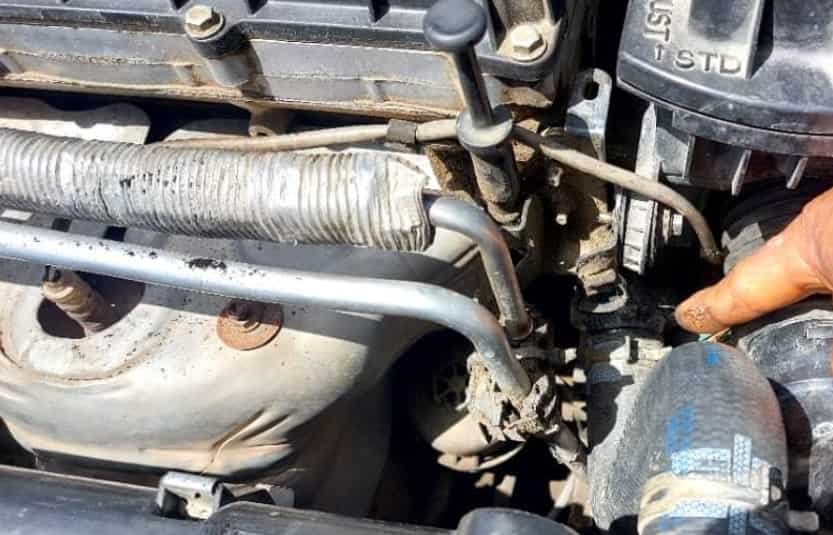
If you are asking, where is the thermostat on Nissan Navara D40, you are probably dealing with an engine temperature problem, planning routine maintenance, or preparing to replace the thermostat yourself. This is one of the most common questions among Nissan Navara D40 owners because the thermostat is not immediately visible when you open the hood. Knowing its exact location can save time, prevent unnecessary disassembly, and help you diagnose cooling system issues more accurately.
On most Nissan Navara D40 models equipped with the popular YD25 diesel engine, the thermostat is installed inside the thermostat housing where the engine connects to the upper radiator hose. Depending on the engine configuration and the available working space, many mechanics find it easier to reach the housing from the passenger side after removing a few surrounding components. Once you know what the thermostat housing looks like, locating it becomes much easier.
The thermostat plays an essential role in controlling engine temperature. It regulates the flow of coolant between the engine and the radiator, allowing the engine to warm up quickly while preventing overheating during normal driving. When the thermostat becomes stuck open or closed, it can lead to poor engine performance, excessive fuel consumption, weak cabin heating, or serious overheating that may damage the engine.
This complete location guide explains exactly where the thermostat is located on a Nissan Navara D40. You will also learn how to identify the thermostat housing, recognize the symptoms of a failing thermostat, access the component safely, and understand the basic replacement process. Whether you are performing a DIY repair or simply want to understand your vehicle better, this guide will help you locate the thermostat with confidence and avoid common mistakes.
Where Is the Thermostat on Nissan Navara D40?
The thermostat on a Nissan Navara D40 sits inside the thermostat housing where the engine connects to the upper radiator hose. Most models with the YD25 2.5 liter diesel engine place the housing near the front of the engine. You can find it by following the upper radiator hose from the radiator toward the engine. The hose leads directly to the thermostat housing.
The housing covers and protects the thermostat. You cannot see the thermostat until you remove the housing. Many owners confuse nearby sensors or coolant pipes with the thermostat. Following the upper radiator hose helps you locate the correct component in just a few minutes.
The exact location may vary slightly between engine versions and vehicle setups. However, the general position remains the same on most Nissan Navara D40 models. Some aftermarket accessories may reduce the available working space, but they do not change the thermostat location.
Many mechanics remove the passenger side front wheel and the inner splash guard before starting the job. This creates more room to work. Some also move the intake pipe or nearby hoses out of the way. These simple steps improve access and make the replacement process much easier.
The thermostat housing uses several mounting bolts and a rubber seal to keep coolant inside the cooling system. Always let the engine cool before you begin. Drain part of the coolant before removing the housing. This prevents coolant from spilling and reduces the risk of injury from hot coolant.
If you cannot find the thermostat, start at the radiator and follow the upper radiator hose with your hand. Continue until the hose reaches the engine. The metal housing at the end of the hose contains the thermostat. Professional mechanics use this method because it is simple, accurate, and reliable.
Locating the thermostat correctly saves time during inspection and repair. It also helps you diagnose cooling system problems more accurately. Once you identify the housing, you can inspect the thermostat, replace it if necessary, and restore normal engine temperature.
What Does the Thermostat Do in a Nissan Navara D40?
The thermostat controls how coolant moves through the engine and radiator. It helps the engine reach its normal operating temperature as quickly as possible. Once the engine becomes warm, the thermostat opens and allows coolant to flow through the radiator. This process keeps the engine at a stable temperature during different driving conditions.
When you start the engine, the thermostat stays closed for a short time. Coolant circulates inside the engine instead of passing through the radiator. As a result, the engine warms up faster and reaches its ideal operating temperature sooner. A warm engine burns fuel more efficiently and produces lower emissions.
As the coolant temperature rises, the thermostat opens gradually. Coolant then flows to the radiator, where it releases excess heat. The cooled coolant returns to the engine and repeats the cycle. This continuous process prevents the engine from becoming too hot or running too cold.
A properly working thermostat improves overall engine performance. It supports better fuel economy, stable engine temperatures, and consistent cabin heating. It also reduces unnecessary engine wear because the engine spends less time operating below its ideal temperature.
A faulty thermostat can create several problems. If it sticks closed, coolant cannot reach the radiator. Engine temperature rises quickly, and the vehicle may overheat within a short time. Continuing to drive under these conditions can damage the cylinder head, head gasket, or other engine components.
If the thermostat sticks open, coolant flows through the radiator all the time. The engine takes much longer to warm up. The temperature gauge may stay below its normal position, especially during cold weather. You may also notice weak heater performance, higher fuel consumption, and reduced engine efficiency.
Many drivers overlook the thermostat because it is a small component. However, it plays a major role in the cooling system. A healthy thermostat protects the engine, improves reliability, and helps your Nissan Navara D40 perform as designed.
How to Identify the Thermostat Housing on a Nissan Navara D40
Finding the thermostat housing is much easier when you know what to look for. The thermostat sits inside the housing, so you must identify the housing before you can inspect or replace the thermostat. Fortunately, you do not need special tools to locate it.
Start by opening the hood and locating the radiator. Next, find the upper radiator hose that runs from the radiator to the engine. Follow the hose until it reaches a metal housing that attaches to the engine. This housing contains the thermostat on most Nissan Navara D40 models.
The thermostat housing is usually made from aluminum or another durable metal. It has several mounting bolts that secure it to the engine. You will also see the upper radiator hose connected to one side of the housing with a hose clamp. These features make the housing easy to recognize once you know where to look.
Do not confuse the thermostat housing with the coolant reservoir or the temperature sensor. The coolant reservoir is a separate plastic tank that stores excess coolant. The temperature sensor is much smaller and connects to an electrical wiring harness. The thermostat housing is larger and forms part of the main coolant passage.
Check the area around the housing for signs of coolant leaks. A damaged seal may leave dried coolant residue, white deposits, or wet spots around the mounting surface. You should also inspect the radiator hose for cracks, swelling, or loose clamps because these issues can cause coolant loss.
Some engine components may partially block your view of the housing. Intake pipes, wiring, or protective covers can reduce the available space. If necessary, remove these parts carefully to improve access. Keep all bolts and clips in a safe place so you can reinstall them correctly.
Once you identify the thermostat housing, the rest of the inspection becomes much simpler. You can confirm the thermostat location, check the housing for leaks, and prepare for replacement if the cooling system shows signs of failure.
Nissan Navara D40 YD25 Thermostat Location Explained
The YD25 2.5 liter diesel engine is one of the most common engines used in the Nissan Navara D40. If your vehicle has this engine, the thermostat sits inside the thermostat housing near the front of the engine. The housing connects directly to the upper radiator hose and forms an important part of the cooling system.
Many owners expect to see the thermostat as soon as they open the hood. However, the housing hides the component from view. You must remove the housing before you can inspect or replace the thermostat. Following the upper radiator hose remains the quickest way to find the correct location.
The available working space around the housing is limited. Several nearby components can make access more difficult. Depending on your vehicle, you may need to move the air intake duct, coolant hoses, or other small parts before you reach the mounting bolts. Removing these items carefully creates more space and reduces the chance of damaging nearby components.
Many technicians prefer to work through the passenger side wheel well because it provides a clearer path to the thermostat housing. After removing the front wheel and the inner splash guard, they can reach the housing more comfortably. This approach also improves visibility and makes it easier to use hand tools.
Before removing the housing, make sure the engine has cooled completely. Drain enough coolant to lower the level below the thermostat housing. This simple step prevents coolant from spilling when you loosen the mounting bolts. It also keeps the work area cleaner and safer.
After removing the housing, inspect the thermostat and the rubber seal carefully. Look for signs of corrosion, rust, or physical damage. A worn seal can cause coolant leaks even if the thermostat still works correctly. Replacing both parts at the same time helps improve long term reliability.
Before reinstalling the housing, clean the mating surfaces thoroughly. Dirt or old gasket material can prevent a proper seal. Tighten the mounting bolts evenly and refill the cooling system with the recommended coolant. Finally, bleed any trapped air from the system and confirm that the engine reaches its normal operating temperature without leaks or unusual temperature changes.
Symptoms of a Bad Thermostat on a Nissan Navara D40
A faulty thermostat can affect engine performance, fuel efficiency, and the overall reliability of the cooling system. Some symptoms appear gradually, while others become obvious within a short time. Recognizing these warning signs early can help you avoid expensive engine repairs.
Engine Overheats
Engine overheating is one of the most common signs of a failed thermostat. When the thermostat sticks in the closed position, coolant cannot flow to the radiator. Heat builds up inside the engine, and the temperature gauge rises quickly. If you continue driving, the engine may suffer serious internal damage.
Engine Takes Too Long to Warm Up
A thermostat that sticks open allows coolant to circulate through the radiator all the time. As a result, the engine needs more time to reach its normal operating temperature. You may notice that the temperature gauge stays low even after several minutes of driving.
Unstable Temperature Gauge
The temperature gauge should remain close to its normal position during everyday driving. If the needle moves up and down without a clear reason, the thermostat may not open or close correctly. An unstable temperature reading often indicates that the cooling system cannot regulate engine temperature effectively.
Poor Cabin Heater Performance
The cabin heater depends on hot coolant from the engine. If the thermostat remains open, the coolant may never become hot enough to produce warm air inside the cabin. You may feel only cool or slightly warm air even after the engine has been running for some time.
Coolant Leaks Around the Thermostat Housing
A damaged thermostat seal or a cracked housing can allow coolant to escape. Look for wet areas, dried coolant residue, or white deposits around the thermostat housing. Ignoring small leaks may lead to coolant loss and future overheating problems.
Higher Fuel Consumption
The engine control system expects the engine to reach its normal operating temperature quickly. If the thermostat stays open, the engine may continue running below its ideal temperature. This condition can increase fuel consumption because the engine operates less efficiently.
Cooling Fan Runs More Often
The cooling fan should switch on only when the engine requires additional cooling. A faulty thermostat can disrupt normal coolant flow and cause the fan to operate more frequently than usual. Constant fan operation often indicates that the cooling system is working harder to control engine temperature.
Warning Light or Diagnostic Trouble Code
Some Nissan Navara D40 models may trigger a warning light or store a diagnostic trouble code when the engine temperature falls outside the expected range. Although several cooling system faults can cause this issue, a failed thermostat is one of the components that technicians inspect first.
If you notice one or more of these symptoms, inspect the cooling system as soon as possible. A simple thermostat replacement often restores normal engine temperature and prevents more serious damage to the engine and its cooling components.
Can You Drive a Nissan Navara D40 With a Bad Thermostat?
You can drive a Nissan Navara D40 with a faulty thermostat for a short distance in some situations, but doing so is not recommended. The level of risk depends on whether the thermostat sticks open or remains closed. Both conditions affect engine performance, although one creates a much greater danger than the other.
A thermostat that sticks closed is the more serious problem. Coolant cannot reach the radiator, so heat builds up inside the engine. The temperature gauge may rise quickly, and the engine can overheat within minutes. If you continue driving, excessive heat can damage the cylinder head, head gasket, pistons, and other expensive engine components.
A thermostat that sticks open creates different symptoms. The engine runs cooler than normal because coolant flows through the radiator all the time. The vehicle may still drive normally, but the engine takes longer to warm up. You may also notice poor heater performance, lower fuel efficiency, and reduced engine performance during cold weather.
Always pay attention to the temperature gauge while driving. If the gauge rises above its normal range, stop the vehicle as soon as it is safe to do so. Turn off the engine and allow it to cool completely before opening the cooling system. Never remove the radiator cap while the engine is hot because pressurized coolant can cause serious burns.
If you suspect a faulty thermostat, inspect the cooling system before using the vehicle again. Replacing a worn thermostat costs far less than repairing an engine damaged by overheating. Early repairs also help protect the radiator, water pump, hoses, and other cooling system components.
How to Access the Thermostat on a Nissan Navara D40
Accessing the thermostat on a Nissan Navara D40 requires patience rather than advanced mechanical skills. The thermostat sits inside the housing, so you must remove several surrounding parts before you can reach it safely. Preparing the work area first makes the entire job easier.
Park the vehicle on a level surface and allow the engine to cool completely. Disconnect the negative battery terminal if you plan to remove electrical components near the work area. Place a drain pan under the radiator before draining part of the coolant from the system.
Open the hood and locate the upper radiator hose. Follow the hose until it reaches the thermostat housing. Inspect the surrounding area and identify any components that may restrict access. Depending on your engine configuration, you may need to remove the air intake duct, protective covers, or nearby hoses.
Many technicians also remove the passenger side front wheel and the inner splash guard. This method provides additional space and improves visibility around the thermostat housing. Better access reduces the chance of dropping bolts or damaging nearby parts during removal.
After clearing the work area, loosen the hose clamp and disconnect the upper radiator hose from the housing. Remove the mounting bolts carefully and lift the housing away from the engine. The thermostat will now be visible inside the housing.
Inspect the thermostat, rubber seal, and housing before installing new parts. Clean the mounting surface thoroughly to remove old gasket material or corrosion. A clean surface helps create a proper seal and reduces the risk of coolant leaks after reassembly.
Once you finish the installation, reconnect all hoses and components in the correct order. Refill the cooling system with the recommended coolant and bleed any trapped air from the system. Start the engine and monitor the temperature gauge until the engine reaches its normal operating temperature. Finally, inspect the housing and hose connections for any signs of coolant leakage.
Basic Thermostat Replacement Steps
Replacing the thermostat on a Nissan Navara D40 is a straightforward job if you prepare properly and follow the correct sequence. Working carefully reduces the risk of coolant leaks and helps the cooling system operate as intended after installation.
Begin by allowing the engine to cool completely. Never work on the cooling system while it is under pressure. Place a drain pan beneath the radiator and drain enough coolant to lower the level below the thermostat housing.
Locate the thermostat housing by following the upper radiator hose to the engine. Remove any components that limit access to the housing. Depending on your vehicle, this may include the air intake duct, protective covers, or nearby coolant hoses.
Loosen the hose clamp and disconnect the upper radiator hose. Remove the mounting bolts evenly and lift the housing away from the engine. Take note of the thermostat’s installation direction before removing it. Installing the new thermostat in the wrong position can cause cooling system problems.
Clean the mating surfaces with a clean cloth or a suitable plastic scraper. Remove all traces of the old gasket or seal. Dirt and old seal material can prevent the housing from sealing correctly.
Install the new thermostat in the same position as the original part. Fit a new rubber seal or gasket if the replacement kit includes one. Position the housing carefully and tighten the mounting bolts evenly to the manufacturer’s recommended torque.
Reconnect the radiator hose and reinstall any components removed during disassembly. Refill the cooling system with the correct type of coolant. Bleed any trapped air from the system because air pockets can affect coolant circulation and engine temperature.
Start the engine and let it idle until it reaches normal operating temperature. Check the thermostat housing, hose connections, and surrounding area for coolant leaks. Finally, confirm that the temperature gauge remains stable during a short test drive.
Common Mistakes When Locating or Replacing the Thermostat
Many thermostat replacements fail because of simple mistakes rather than defective parts. Avoiding these common errors saves time and helps prevent future cooling system problems.
One common mistake is removing the wrong component. Some owners confuse the thermostat housing with the coolant outlet or a nearby sensor. Always follow the upper radiator hose to confirm the correct location before removing any bolts.
Another mistake involves opening the cooling system while the engine is still hot. Hot coolant remains under pressure and can cause serious injuries. Always allow the engine to cool completely before beginning any work.
Some people reuse the old gasket or rubber seal during installation. A worn seal often leads to coolant leaks even when the new thermostat works perfectly. Replacing the seal at the same time provides a more reliable repair.
Installing the thermostat in the wrong direction can also create serious cooling problems. Compare the new thermostat with the original part before installation. Make sure both parts sit in the same position inside the housing.
Many owners forget to bleed air from the cooling system after refilling the coolant. Air trapped inside the system can cause unstable temperature readings and reduce cooling performance. Follow the correct bleeding procedure to remove trapped air before driving the vehicle.
Another common problem is tightening the housing bolts too much. Excessive force can damage the housing or deform the sealing surface. Tighten the bolts evenly and use the recommended torque whenever possible.
Finally, choose a high quality replacement thermostat that matches your engine specification. A poor quality part may fail early or operate at the wrong temperature, leading to repeated cooling system issues.
When Should You Replace the Thermostat?
The thermostat does not have a fixed replacement interval on most Nissan Navara D40 models. Instead, replace it when signs of wear or failure appear. Early replacement can prevent more expensive engine repairs later.
Replace the thermostat if the engine overheats without another obvious cause. A thermostat that remains closed restricts coolant flow and allows engine temperature to rise rapidly.
You should also replace the thermostat if the engine takes an unusually long time to warm up. This symptom often indicates that the thermostat remains open and cannot regulate coolant flow correctly.
Inspect the thermostat whenever you notice unstable temperature gauge readings. A fluctuating gauge may indicate that the thermostat no longer opens and closes smoothly.
Coolant leaks around the thermostat housing also deserve immediate attention. In some cases, replacing the seal solves the problem. However, replacing both the thermostat and the seal often provides a more reliable long term repair.
Many technicians recommend replacing the thermostat while performing major cooling system repairs. For example, replacing it during a water pump or timing chain service can reduce future labor costs because many of the same components are already accessible.
Regular coolant maintenance also helps extend thermostat life. Fresh coolant protects the cooling system from corrosion and mineral deposits that may affect thermostat operation. Following the manufacturer’s maintenance schedule helps keep the entire cooling system in good condition.
Replacing the thermostat at the right time improves engine reliability, maintains stable operating temperatures, and reduces the risk of unexpected breakdowns.
Frequently Asked Questions About the Nissan Navara D40 Thermostat
Where is the thermostat on a Nissan Navara D40?
The thermostat is located inside the thermostat housing where the upper radiator hose connects to the engine. On most Nissan Navara D40 models with the YD25 diesel engine, you can find the housing near the front of the engine by following the upper radiator hose from the radiator.
Is the thermostat easy to access?
The thermostat is not visible when you open the hood because the housing covers it. Access is generally straightforward, but you may need to remove the air intake duct, nearby hoses, or the passenger side splash guard to create enough working space.
Can I replace the thermostat myself?
Yes. Many vehicle owners replace the thermostat at home with basic hand tools. You should allow the engine to cool completely, drain part of the coolant, and follow the correct installation procedure. If you have limited repair experience, consult the service manual before starting the job.
What happens if the thermostat sticks closed?
A thermostat that sticks closed prevents coolant from flowing through the radiator. Engine temperature rises quickly, and the vehicle can overheat within a short time. Continuing to drive may cause serious engine damage.
What happens if the thermostat sticks open?
A thermostat that sticks open allows coolant to circulate continuously. The engine takes longer to warm up, fuel economy may decrease, and the cabin heater may not produce enough warm air during cold weather.
Can a bad thermostat cause coolant leaks?
Yes. The thermostat itself does not usually leak, but a damaged housing, worn rubber seal, or loose mounting bolts can allow coolant to escape around the thermostat housing.
Should I replace the gasket when installing a new thermostat?
Yes. Installing a new gasket or rubber seal helps create a proper seal and reduces the risk of coolant leaks. Reusing an old seal is not recommended because it may no longer provide a reliable fit.
Do I need to bleed the cooling system after replacing the thermostat?
Yes. Air trapped inside the cooling system can affect coolant circulation and cause unstable engine temperatures. Bleeding the system removes trapped air and helps restore normal cooling performance.
How long does it take to replace the thermostat?
An experienced technician can usually complete the replacement in one to two hours. A first time DIY repair may take longer because additional time is often needed to remove surrounding components and inspect the cooling system.
Conclusion
Knowing where the thermostat is located on a Nissan Navara D40 makes cooling system maintenance much easier. On most models, especially those equipped with the YD25 diesel engine, the thermostat sits inside the thermostat housing where the upper radiator hose connects to the engine. Following the upper radiator hose remains the simplest and most accurate way to locate the housing.
Understanding how the thermostat works also helps you diagnose cooling system problems before they become serious. Symptoms such as engine overheating, slow warm up, unstable temperature readings, poor heater performance, or coolant leaks often indicate that the thermostat or its housing requires attention. Addressing these issues early can prevent expensive engine repairs and improve long term reliability.
If you decide to replace the thermostat yourself, work carefully and follow the correct procedure. Allow the engine to cool, use the recommended coolant, install a new seal, and bleed the cooling system after reassembly. These steps help ensure stable engine temperatures and reliable performance.
Whether you are troubleshooting an overheating engine or planning routine maintenance, understanding where the thermostat is located on a Nissan Navara D40 gives you the confidence to inspect the cooling system correctly and make informed repair decisions. Regular maintenance and prompt repairs will help keep your Nissan Navara D40 running efficiently for many years.