Your Nissan Note cranks when you turn the key or press the Start button, but the engine refuses to start. This is one of the most frustrating problems any driver can face. The dashboard lights come on, the starter motor sounds normal, and the engine turns over. However, the vehicle never starts.
Many owners assume the battery is dead. In reality, that is not always the cause. If the engine cranks normally, the battery and starter motor usually work as expected. Instead, another system often prevents the engine from running. Your Nissan Note needs fuel, spark, air, compression, and accurate sensor signals to start. If any of these systems fail, the engine cannot produce combustion.
The good news is that you can diagnose most no start problems by following a logical process. Start with the simplest checks before replacing expensive parts. Check the battery voltage, listen for the fuel pump, inspect the ignition system, and scan the vehicle for fault codes. These basic steps often reveal the real cause of the problem.
This guide explains the ten most common reasons why a Nissan Note cranks but does not start. You will also learn how to recognize the warning signs, perform basic diagnostic checks, and choose the right repair for each issue. By the end of this article, you will understand how the starting system works and what you should inspect before visiting a repair shop.
What Does It Mean When a Nissan Note Cranks but Will Not Start?
Many drivers confuse cranking with starting, but the two terms describe different stages of engine operation. When your Nissan Note cranks, the starter motor turns the engine over. This action shows that the battery has enough power to operate the starter. However, the engine still needs several systems to work together before it can start and run on its own.
Every gasoline engine depends on five essential elements. It needs the correct amount of fuel, a strong ignition spark, clean air, proper engine compression, and accurate data from electronic sensors. The engine control unit uses this information to calculate the right fuel mixture and ignition timing. If one of these elements fails, the engine will continue to crank without producing combustion.
A no start condition often points to a problem in the fuel system, ignition system, or engine management system. For example, a faulty fuel pump may prevent fuel from reaching the injectors. A failed crankshaft position sensor may stop the engine control unit from triggering the ignition coils. Likewise, worn spark plugs or damaged ignition coils can prevent the air and fuel mixture from igniting inside the cylinders.
The symptoms can vary depending on the underlying fault. Some Nissan Note owners notice extended cranking before the engine finally starts. Others hear the engine turn over at normal speed, but it never fires. In some cases, the engine starts for a second before stalling. A flashing security light, a strong smell of fuel, or an illuminated Check Engine Light can also provide valuable clues.
Understanding the difference between cranking and starting helps you narrow down the possible causes. Instead of replacing random parts, you can inspect each system in a logical order. This approach saves time, reduces repair costs, and increases the chances of finding the real problem quickly.
Weak Battery or Poor Battery Connections
A weak battery is one of the first things you should check when your Nissan Note cranks but will not start. Although the starter motor may still turn the engine, the battery might not supply enough voltage for the engine control unit, ignition coils, and fuel injectors. Modern vehicles rely on stable electrical power to manage every stage of the starting process. Even a small voltage drop can affect engine performance during startup.
Several warning signs can point to a weak battery or poor electrical connections. The engine may crank more slowly than usual, or the dashboard lights may dim while you try to start the vehicle. You might also notice clicking sounds before the engine turns over. In some cases, the engine cranks at a normal speed but still fails to start because the electronic systems do not receive enough power.
Start your inspection by checking the battery terminals. Dirt, corrosion, or loose connections can interrupt the flow of electricity. Clean the terminals if you see white or green deposits, then tighten the cable clamps securely. Next, measure the battery voltage with a digital multimeter. A healthy battery should read about 12.6 volts with the engine off. If the reading falls below 12.4 volts, recharge the battery and test it again. If the voltage continues to drop, the battery may no longer hold a proper charge.
You should also inspect the ground cable and the main power cable between the battery and the starter motor. Damaged cables or loose grounds can create high electrical resistance and reduce the power available during starting. These problems often produce symptoms that resemble a faulty battery.
If your Nissan Note still refuses to start after charging the battery and securing the connections, continue with the next diagnostic step. The electrical system may work correctly, while another component, such as the fuel pump or crankshaft position sensor, prevents the engine from starting.
Faulty Fuel Pump
A faulty fuel pump is one of the most common reasons a Nissan Note cranks but will not start. The fuel pump moves gasoline from the fuel tank to the fuel injectors at the correct pressure. Without enough fuel pressure, the engine cannot create the proper air and fuel mixture. As a result, the engine keeps cranking but never starts.
A failing fuel pump often gives warning signs before it stops working completely. You may notice hard starting, poor acceleration, or a sudden loss of power while driving. Some drivers also hear unusual noises from the fuel tank. In many cases, the vehicle stalls without warning and refuses to restart. These symptoms usually become more frequent as the pump wears out.
You can perform a simple check before replacing any parts. Turn the ignition to the ON position without starting the engine. Listen carefully near the rear of the vehicle for a brief humming sound. This sound indicates that the fuel pump is building pressure. If you hear nothing, inspect the fuel pump fuse and relay before assuming the pump has failed. A blown fuse or faulty relay can interrupt power to the pump and create the same no start condition.
The next step is to measure fuel pressure with a fuel pressure gauge. Compare the reading with the manufacturer’s specifications. Low or zero pressure often confirms a problem with the fuel pump, fuel filter, or fuel pressure regulator. You should also inspect the fuel lines for leaks or restrictions because they can reduce fuel delivery.
Replace the fuel pump only after completing these checks. Many no start problems come from electrical faults rather than a failed pump. A careful diagnosis helps you avoid unnecessary repairs and ensures that you replace the correct component the first time.
Clogged Fuel Filter
A clogged fuel filter can also prevent your Nissan Note from starting. The fuel filter removes dirt, rust, and other contaminants before the fuel reaches the injectors. Over time, these particles build up inside the filter and restrict fuel flow. When this happens, the engine may not receive enough fuel to start, even though the starter motor cranks normally.
Most fuel filters become clogged gradually. At first, you may notice longer cranking times or reduced engine performance. The vehicle may hesitate during acceleration or struggle to maintain speed on steep roads. Fuel economy can also decrease because the engine no longer receives a consistent fuel supply. If the restriction becomes severe, the engine may crank without starting.
Begin your inspection by reviewing the vehicle’s maintenance history. If the fuel filter has not been replaced according to the recommended service interval, it deserves careful attention. You should also check for signs of contaminated fuel, especially if the problem appeared soon after refueling. Water or debris inside the fuel system can block the filter much faster than normal.
A fuel pressure test can help confirm the diagnosis. Low pressure at the fuel rail often indicates a restriction somewhere in the fuel system. However, low pressure does not always mean the filter has failed. A weak fuel pump or damaged fuel pressure regulator can produce similar symptoms. For this reason, inspect the entire fuel delivery system before replacing parts.
Replacing a clogged fuel filter restores proper fuel flow and helps protect the fuel injectors from damage. It also reduces strain on the fuel pump, which must work harder when the filter becomes restricted. Regular maintenance keeps the fuel system clean and lowers the risk of future starting problems.
Bad Crankshaft Position Sensor
A bad crankshaft position sensor is another common reason your Nissan Note cranks but will not start. This sensor monitors the position and speed of the crankshaft. It sends this information to the engine control unit, which uses the data to control fuel injection and ignition timing. Without an accurate signal, the engine cannot produce spark or deliver fuel at the right moment.
A failing crankshaft position sensor often causes intermittent problems before it stops working completely. The engine may stall while driving and restart after a short wait. You may also notice hard starting, rough idling, or sudden engine shutdowns. As the sensor continues to fail, the engine may crank normally but never fire.
The Check Engine Light often appears when the sensor begins to malfunction. Scan the vehicle with an OBD II scanner to check for diagnostic trouble codes. Codes such as P0335 or related crankshaft sensor faults provide a strong indication that the sensor or its electrical circuit needs further inspection. However, do not replace the sensor based on a fault code alone. Inspect the wiring harness and electrical connector because loose connections or damaged wires can produce the same symptoms.
You should also examine the sensor for signs of oil contamination, physical damage, or excessive metal debris. These conditions can interfere with the sensor signal and prevent the engine control unit from calculating the correct ignition timing. If the sensor fails the manufacturer’s resistance or signal test, replace it with a high quality replacement part.
A healthy crankshaft position sensor allows the engine control unit to synchronize fuel delivery and ignition timing correctly. Once the sensor provides a reliable signal again, the engine can start normally, provided that the remaining fuel and ignition systems operate as expected.
Faulty Camshaft Position Sensor
A faulty camshaft position sensor can also stop your Nissan Note from starting. While the crankshaft position sensor monitors engine speed, the camshaft position sensor tracks the position of the camshaft. The engine control unit combines signals from both sensors to control fuel injection and ignition timing with precision. If the camshaft sensor sends incorrect data or stops working, the engine may crank but fail to start.
A failing sensor usually causes noticeable symptoms before complete failure. You may experience extended cranking, rough idling, poor acceleration, or occasional engine stalling. In some cases, the engine starts after several attempts. Eventually, the problem becomes more frequent until the vehicle refuses to start altogether.
The Check Engine Light often illuminates when the engine control unit detects an abnormal signal. Connect an OBD II scanner and look for diagnostic trouble codes related to the camshaft position sensor, such as P0340 or similar codes. After that, inspect the sensor connector and wiring harness for loose terminals, corrosion, or damaged insulation. Electrical faults can interrupt the signal even when the sensor itself still works properly.
If the wiring appears normal, test the sensor according to the manufacturer’s specifications. Compare the readings with the recommended values to confirm whether the sensor operates correctly. Replace the sensor only after completing these checks. Installing a new sensor without proper testing may not solve the problem if another electrical fault exists.
A properly functioning camshaft position sensor helps the engine control unit deliver fuel at the correct time and maintain accurate ignition timing. Together with the crankshaft position sensor, it ensures smooth engine operation and reliable starting under all driving conditions.
Worn Spark Plugs or Failed Ignition Coils
Worn spark plugs or failed ignition coils can prevent your Nissan Note from starting, even when the engine cranks normally. The ignition system creates the spark that ignites the air and fuel mixture inside each cylinder. If the spark is weak or completely absent, combustion cannot occur. As a result, the engine turns over but never starts.
Spark plugs wear out over time because they operate under extremely high temperatures and pressure. As the electrodes wear down, the spark becomes weaker and less consistent. Ignition coils can also fail because of heat, vibration, or age. A damaged coil may stop delivering high voltage to one or more spark plugs, making it impossible for the engine to fire correctly.
Several symptoms can indicate ignition system problems. The engine may misfire during acceleration, idle roughly, or lose power while driving. Fuel consumption may also increase because the cylinders do not burn fuel efficiently. If the condition becomes severe, the engine may crank without starting at all.
Begin the inspection by removing the spark plugs. Check for worn electrodes, heavy carbon deposits, oil contamination, or cracked ceramic insulation. Any of these conditions can reduce spark quality. Next, inspect the ignition coils for visible cracks, burn marks, or signs of moisture. If you have access to a spark tester, verify that each coil produces a strong and consistent spark during cranking.
Replace worn spark plugs at the recommended service interval and use the correct specifications for your Nissan Note. If testing confirms a faulty ignition coil, replace the damaged unit and inspect the remaining coils for similar wear. Maintaining a healthy ignition system improves engine performance, reduces fuel consumption, and helps ensure reliable starting in all driving conditions.
Immobilizer or Smart Key Problems
The immobilizer system protects your Nissan Note from unauthorized use. It communicates with the smart key or transponder key before allowing the engine to start. When the system recognizes a valid key, the engine control unit activates the fuel injection and ignition systems. If the verification process fails, the engine may crank normally but it will not start.
An immobilizer problem often appears without any mechanical warning signs. You may notice a flashing security indicator on the instrument panel after pressing the Start button or turning the key. In some situations, the engine starts for a second and then stops immediately. The vehicle may also recognize one key but reject another. These symptoms usually indicate a communication issue between the key, the immobilizer antenna, and the engine control unit.
Start by using a spare key if one is available. If the vehicle starts with the spare key, the original key may have a damaged transponder chip or require reprogramming. Next, check the key battery if your Nissan Note uses a smart key system. A weak battery can reduce the communication range and create starting problems. Although the transponder can often work without the remote battery, replacing a weak battery is a simple and inexpensive step.
If neither key starts the vehicle, inspect the immobilizer antenna around the ignition switch or the Start button. Damaged wiring or a faulty antenna can interrupt communication with the key. You should also scan the vehicle with an OBD II scanner because some immobilizer faults store diagnostic trouble codes that simplify the diagnosis.
Do not replace the engine control unit or immobilizer components without proper testing. Many no start complaints result from a faulty key, a weak key battery, or poor electrical connections. A systematic inspection helps identify the real cause and prevents unnecessary repair costs.
Blown Fuse or Faulty Relay
A blown fuse or faulty relay can interrupt the electrical supply to critical engine components. Even if the starter motor turns the engine normally, the fuel pump, ignition coils, or engine control unit may not receive power. Without electricity, these components cannot perform their functions, and the engine will not start.
Fuses protect electrical circuits from damage caused by excessive current. When a fuse blows, it immediately breaks the circuit to prevent further damage. Relays work differently. They act as electrically controlled switches that deliver power to high current components. A failed relay may not show visible damage, but it can still prevent the circuit from operating correctly.
Begin by locating the fuse boxes in your Nissan Note. Most models have one inside the cabin and another in the engine compartment. Check the owner’s manual to identify the fuses and relays related to the fuel pump, engine control unit, ignition system, and starting system. Remove each fuse carefully and inspect the metal strip inside. If the strip is broken, replace the fuse with another one that has the same amperage rating.
Next, inspect the relays. In many cases, you can swap a suspected relay with another identical relay from a non essential circuit for testing purposes. If the engine starts after the swap, you have likely identified the faulty relay. You should also inspect the fuse box for signs of moisture, corrosion, or overheated terminals because these conditions can interrupt electrical continuity.
Never install a fuse with a higher amperage rating than the manufacturer recommends. Doing so can damage the wiring harness or sensitive electronic components. A careful inspection of the fuse and relay system often reveals simple electrical faults that many drivers overlook during a no start diagnosis.
Dirty Mass Air Flow Sensor
A dirty mass air flow sensor can affect engine starting by sending incorrect airflow information to the engine control unit. This sensor measures the amount of air entering the engine and helps calculate the correct fuel mixture. When dirt, dust, or oil builds up on the sensing element, the readings become inaccurate. As a result, the engine may receive too much or too little fuel during startup.
The problem usually develops slowly. At first, you may notice rough idling, sluggish acceleration, or reduced fuel economy. The engine may also hesitate when you press the accelerator. As contamination increases, starting becomes more difficult. In severe cases, your Nissan Note may crank normally but fail to start because the air and fuel mixture falls outside the range required for combustion.
Begin the inspection by locating the mass air flow sensor between the air filter housing and the throttle body. Check the electrical connector for loose pins or damaged wiring. Next, inspect the air filter. A dirty or damaged filter allows contaminants to enter the intake system and collect on the sensor. Replacing the air filter at the recommended interval helps prevent this problem.
If the sensor appears dirty, clean it with a cleaner designed specifically for mass air flow sensors. Spray the sensing element carefully and allow it to dry completely before reinstalling it. Do not touch the sensing wires because they are extremely delicate and can break easily. After cleaning the sensor, clear any stored fault codes and test the vehicle again.
If cleaning does not solve the problem, test the sensor with a diagnostic scanner or a digital multimeter according to the manufacturer’s specifications. Replace the sensor only after confirming that it no longer provides accurate readings. A properly functioning mass air flow sensor improves engine performance, supports better fuel economy, and helps ensure reliable starting in different driving conditions.
Low Engine Compression
Low engine compression is one of the most serious reasons a Nissan Note cranks but will not start. Compression allows the air and fuel mixture to reach the pressure needed for combustion. If the pressure drops below the required level, the spark cannot ignite the mixture effectively. Even when the fuel system and ignition system operate correctly, the engine may still refuse to start.
Several mechanical problems can reduce engine compression. Worn piston rings allow pressure to escape into the crankcase. Burned or leaking valves prevent the cylinders from sealing properly. A damaged head gasket can also cause compression loss between cylinders or into the cooling system. In some Nissan Note engines, a stretched timing chain may cause the valve timing to move out of specification. When this happens, the valves no longer open and close at the correct time, making it difficult or impossible for the engine to start.
A compression test is the most reliable way to confirm this problem. Remove the spark plugs, install a compression gauge, and measure each cylinder individually. Compare the results with the manufacturer’s specifications. All cylinders should produce similar readings. A significant difference between cylinders usually indicates internal engine wear or damage.
If the compression readings are low, perform a leak down test to locate the source of the pressure loss. This test helps determine whether the problem comes from the piston rings, intake valves, exhaust valves, or head gasket. Accurate testing prevents unnecessary repairs and provides a clear direction for the next steps.
Repairing low engine compression often requires advanced mechanical work. Depending on the cause, the repair may involve replacing piston rings, repairing the cylinder head, installing a new head gasket, or correcting timing chain problems. Although these repairs can be expensive, an accurate diagnosis helps avoid replacing parts that are still in good condition. Once the engine restores proper compression, it can generate efficient combustion and start reliably again.
Step by Step Nissan Note No Start Diagnosis
If your Nissan Note cranks but does not start, avoid replacing parts without testing them first. A systematic diagnosis saves time, reduces repair costs, and helps you identify the real cause of the problem. Follow the steps below in the correct order to narrow down the fault efficiently.
Step 1 Check the Battery
Measure the battery voltage with a digital multimeter. A fully charged battery should read about 12.6 volts with the engine off. Inspect the battery terminals for corrosion, loose connections, or damaged cables. Clean and tighten the terminals if necessary before moving to the next step.
Step 2 Verify Fuel Delivery
Turn the ignition to the ON position and listen for the fuel pump. You should hear a brief humming sound from the fuel tank. If the pump remains silent, inspect the fuel pump fuse and relay. If they appear normal, perform a fuel pressure test to confirm that the pump delivers enough pressure.
Step 3 Check for Spark
Remove one ignition coil and connect a spark tester. Crank the engine and verify that the ignition system produces a strong blue spark. If no spark appears, inspect the ignition coils, spark plugs, crankshaft position sensor, and camshaft position sensor.
Step 4 Scan for Diagnostic Trouble Codes
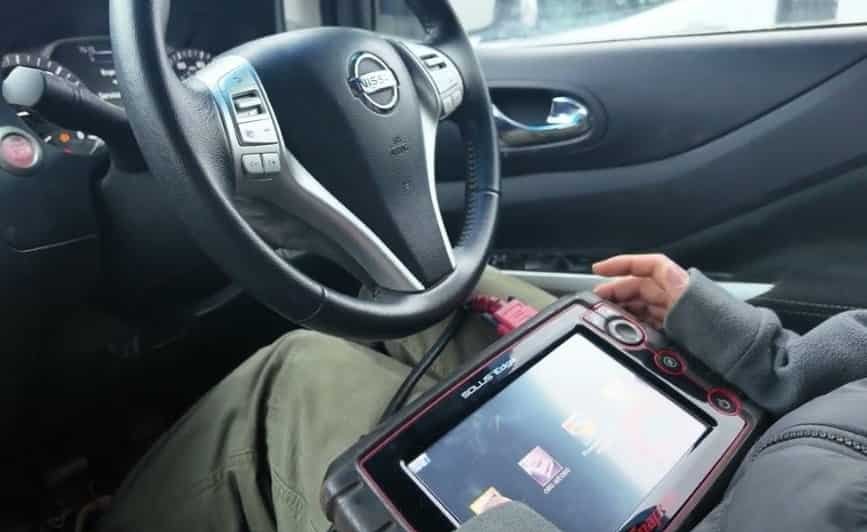
Connect an OBD II scanner and read all stored fault codes. Record every code before clearing the memory. The codes can point directly to a faulty sensor, ignition component, or fuel system problem. They also provide valuable information for further testing.
Step 5 Inspect the Air Intake System
Check the air filter, intake duct, and mass air flow sensor. Replace a clogged air filter and clean the mass air flow sensor with the correct cleaning spray. Also inspect the intake hoses for cracks or loose connections that could affect airflow.
Step 6 Test Engine Compression
If the battery, fuel system, ignition system, and sensors all work correctly, perform a compression test. Low compression usually indicates an internal mechanical problem such as worn piston rings, damaged valves, a faulty head gasket, or incorrect valve timing.
Following these steps helps you eliminate possible causes one by one. This method reduces guesswork, prevents unnecessary parts replacement, and gives you a much better chance of finding the actual fault quickly.
Can You Fix It Yourself?
Many Nissan Note starting problems do not require advanced mechanical skills. If you have basic tools and some experience with vehicle maintenance, you can diagnose several common issues at home. A careful inspection often reveals simple problems that cost very little to repair.
You can safely perform several basic checks before visiting a repair shop. Inspect the battery terminals for corrosion and tighten any loose connections. Measure the battery voltage with a digital multimeter to confirm that it holds a proper charge. Check the fuel pump fuse and relay, replace worn spark plugs, and clean the mass air flow sensor with a dedicated cleaner. You can also connect an OBD II scanner to read diagnostic trouble codes. These simple steps may identify the problem without replacing unnecessary parts.
Some repairs require specialized equipment and technical knowledge. Fuel pressure testing, compression testing, timing chain inspection, and engine control unit diagnostics often need professional tools. Replacing a fuel pump or repairing internal engine components also involves more complex procedures. Attempting these repairs without the proper experience may create additional problems and increase repair costs.
If your Nissan Note still cranks but does not start after completing the basic checks, consult a qualified technician. A professional diagnosis can identify hidden electrical faults, sensor failures, or mechanical damage that may not appear during a basic inspection. An accurate diagnosis saves money in the long run because it focuses on the actual cause instead of replacing parts based on guesswork.
Conclusion
If your Nissan Note cranks but will not start, the problem usually involves the fuel system, ignition system, electrical system, engine sensors, or internal engine components. Although the symptoms may seem similar, each fault requires a different repair approach. Understanding how these systems work together makes it much easier to identify the source of the problem.
Always begin with the simplest inspections. Check the battery, inspect the electrical connections, verify fuel delivery, test for spark, and scan the vehicle for diagnostic trouble codes. Continue with more advanced tests only after completing these basic steps. A logical diagnostic process reduces unnecessary repairs and improves the chances of fixing the problem quickly.
Regular maintenance also plays an important role in preventing no start conditions. Replacing spark plugs, changing the fuel filter when required, keeping the battery in good condition, and servicing the air intake system can improve reliability and extend the life of your Nissan Note.
If you have completed these checks and your Nissan Note still refuses to start, share the symptoms, diagnostic trouble codes, or recent repair history in the comments. The additional information can help identify the cause more accurately and point you toward the most effective solution.