
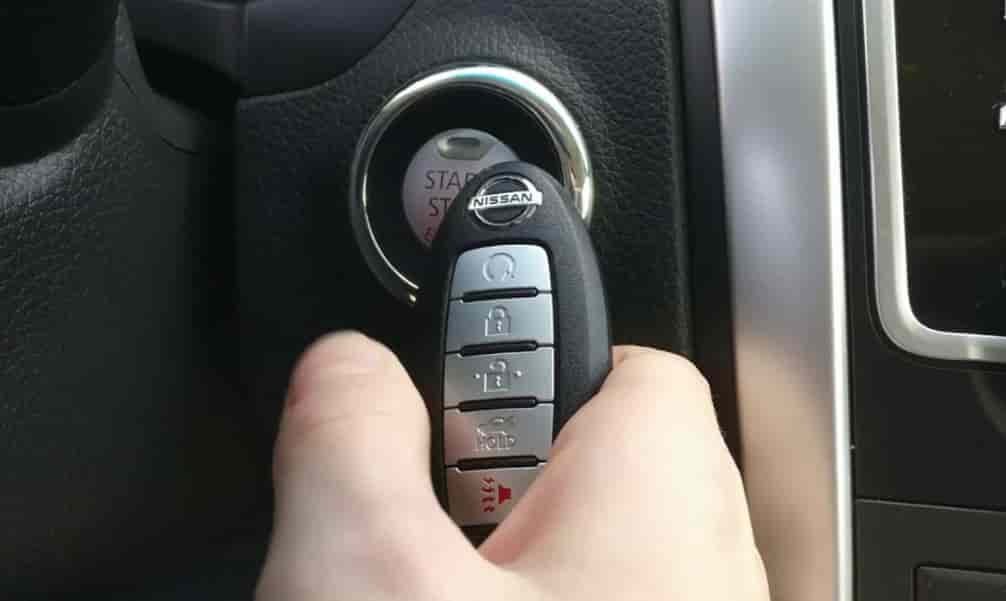
You walk out in the morning, press the start button, and nothing happens. The engine does not crank. The dashboard flickers. Maybe you hear a faint clicking sound. If this scenario feels familiar, you may be dealing with the Nissan battery drain problem.
Many owners of popular models such as the Nissan Altima, Nissan Rogue, and Nissan Sentra have reported repeated dead batteries, sometimes even after installing a brand new one. This creates frustration, unexpected repair bills, and a constant fear that the car may not start when you need it most. Replacing the battery again and again does not always solve the issue. In many cases, the real cause is hidden deeper in the vehicle’s electrical system.
The Nissan battery drain problem typically occurs when an electrical component continues to draw power even after the vehicle is turned off. Over time, this parasitic drain can fully discharge the battery overnight. In other situations, a faulty alternator, a malfunctioning body control module, or aftermarket accessories may be responsible.
In this complete guide, you will learn what causes the Nissan battery drain problem, how to recognize the warning signs, how to properly diagnose it, and how much you can expect to pay for repairs. By the end, you will understand how to fix the issue correctly instead of wasting money on temporary solutions.
What Is the Nissan Battery Drain Problem?
The Nissan battery drain problem refers to an abnormal loss of battery power when the vehicle is turned off. Under normal conditions, every modern car continues to use a very small amount of electricity after the engine shuts down. Systems such as the clock, security module, and memory settings require standby power. This is completely normal and is known as parasitic draw.
However, when the electrical draw exceeds the acceptable range, the battery begins to discharge much faster than it should. In a healthy vehicle, the battery can sit unused for several days or even weeks without going dead. In vehicles affected by the Nissan battery drain problem, the battery may lose enough charge overnight to prevent the engine from starting the next morning.
This issue is often misunderstood. Many drivers assume the battery itself is defective. While batteries do wear out over time, repeated failures in a short period usually indicate a deeper electrical fault. Components such as relays, control modules, infotainment systems, or even wiring faults may continue consuming power even when the vehicle appears completely shut down.
Modern Nissan vehicles rely heavily on electronic control units. If one module fails to enter sleep mode, it can continuously draw current from the battery. Over time, this repeated deep discharge shortens battery life and increases repair costs.
Understanding this distinction is critical. The Nissan battery drain problem is not simply a weak battery. It is typically an electrical system imbalance that requires proper diagnosis rather than repeated battery replacement.
Common Causes of Nissan Battery Drain Problem
The Nissan battery drain problem is rarely caused by the battery alone. In most cases, the issue stems from an electrical component that continues to consume power after the vehicle is turned off. While a small amount of standby power is normal, excessive parasitic draw can quickly discharge the battery overnight.
One common cause is a faulty relay, interior lighting circuit, or infotainment system that fails to shut down completely. Even a minor but constant electrical draw can leave the battery too weak to start the engine the next morning. A failing alternator can also contribute to the Nissan battery drain problem. If a defective diode allows reverse current flow when the engine is off, the battery may slowly lose charge while the vehicle is parked. In other situations, the alternator may undercharge the battery during driving, leaving it partially depleted and more vulnerable to failure.
Battery condition plays a role as well. An aging battery with reduced capacity cannot withstand even small electrical drains, especially in cold weather when performance naturally declines. Modern Nissan vehicles also depend on electronic control modules. If the Body Control Module does not enter sleep mode properly due to a software glitch, it may continue drawing power long after the ignition is off. Additionally, improperly installed aftermarket accessories such as dash cameras or alarm systems can create hidden electrical drains.
Proper diagnosis is essential because replacing the battery alone often does not permanently solve the Nissan battery drain problem.
Symptoms of Nissan Battery Drain Problem
Recognizing the early warning signs of the Nissan battery drain problem can help prevent unexpected breakdowns and costly repairs. The most common symptom is a dead battery after the vehicle has been parked for several hours or overnight. Many drivers notice that the car starts normally during the day but fails to crank the next morning. This repeated overnight discharge is a strong indicator of abnormal parasitic draw.
Another frequent symptom is a clicking sound when turning the key or pressing the start button. This noise usually comes from the starter motor attempting to engage without sufficient battery power. In some cases, the dashboard lights may flicker, dim, or reset completely. Electronic systems such as the clock, radio presets, or seat memory settings may lose their stored data due to voltage drops.
Drivers experiencing the Nissan battery drain problem may also see a battery warning light illuminate intermittently. While this can indicate charging system issues, it may also signal that the battery is not maintaining proper voltage. Slow engine cranking is another early sign that should not be ignored. If the engine turns over more slowly than usual, the battery may already be partially discharged.
These symptoms often appear gradually before complete battery failure occurs. Identifying them early allows for proper diagnosis and prevents repeated battery replacements that fail to address the root cause.
How to Diagnose Nissan Battery Drain Problem
Proper diagnosis is critical to permanently fixing the Nissan battery drain problem. Simply replacing the battery without testing the electrical system often leads to repeated failures. A systematic approach helps identify whether the issue is caused by parasitic draw, a charging fault, or a weak battery.
The first step is checking battery voltage with a multimeter. A fully charged battery should read around 12.6 volts when the engine is off. If the reading is significantly lower, the battery may already be discharged or deteriorating. Next, test the charging system by starting the engine. The voltage should typically measure between 13.5 and 14.5 volts, confirming that the alternator is functioning correctly.
If both the battery and alternator appear normal, a parasitic draw test is necessary. This involves connecting a multimeter in series with the battery to measure current flow while the vehicle is turned off. Most vehicles should have a draw below 50 milliamps after entering sleep mode. If the reading exceeds this level, the Nissan battery drain problem is likely caused by an electrical component that remains active.
To isolate the faulty circuit, technicians often remove and reinstall fuses one at a time while monitoring the current reading. When the excessive draw drops to a normal range, the affected circuit can be identified for further inspection.
Accurate diagnosis ensures that repairs target the root cause instead of temporarily masking the problem.
Repair Solutions and Fixes for Nissan Battery Drain Problem
Once the root cause has been identified, fixing the Nissan battery drain problem becomes much more straightforward. The correct repair depends entirely on what is causing the excessive power loss. Replacing parts without proper testing often leads to unnecessary expenses and recurring failures.
If the battery itself is weak or damaged due to repeated deep discharge, replacement may be necessary. However, the new battery should only be installed after confirming that no abnormal parasitic draw remains. If testing reveals a faulty alternator, especially one with a defective diode causing reverse current flow, replacing the alternator will usually resolve the issue and restore proper charging performance.
When excessive parasitic draw is traced to a specific circuit, the repair may involve replacing a stuck relay, repairing damaged wiring, or correcting a malfunctioning interior lighting system. In some cases, the Nissan battery drain problem is linked to a Body Control Module that fails to enter sleep mode. Reprogramming the module with updated software or replacing it entirely may be required to eliminate continuous power consumption.
Aftermarket accessories are another common source of electrical drain. Removing improperly installed devices or rewiring them to a switched power source can prevent continuous battery discharge. In dealership-level cases, technicians may perform system updates or apply technical service bulletins to correct known electrical issues.
The key to permanently solving the Nissan battery drain problem is targeted repair based on accurate diagnosis rather than repeated battery replacement.
Nissan Battery Drain Problem Repair Cost
The repair cost of the Nissan battery drain problem varies depending on the underlying cause and the vehicle model. Many drivers initially spend money on repeated battery replacements without realizing that the true issue remains unresolved. Understanding potential repair expenses helps avoid unnecessary financial stress.
A standard battery replacement typically costs between 120 and 300 dollars, depending on battery type and labor fees. However, if the Nissan battery drain problem is caused by a failing alternator, the repair cost can range from 400 to 900 dollars, including parts and installation. Electrical diagnostic services alone may cost between 100 and 180 dollars, but this step is essential to identify excessive parasitic draw accurately.
If the issue involves a malfunctioning Body Control Module, the repair can become more expensive. Module replacement and programming may range from 500 to 1200 dollars depending on the vehicle year and dealership rates. Fortunately, simpler problems such as a stuck relay or faulty wiring may require far less investment.
The total cost ultimately depends on accurate diagnosis. Spending money on proper electrical testing early often prevents repeated battery purchases and larger repair bills later. Addressing the Nissan battery drain problem correctly the first time protects both your vehicle and your budget.
How to Prevent Nissan Battery Drain Problem
Preventing the Nissan battery drain problem starts with proper electrical maintenance and smart driving habits. While some issues are caused by component failure, many cases can be avoided with routine inspection and early detection.
Driving the vehicle regularly helps maintain battery charge. Short trips may not provide enough time for the alternator to fully recharge the battery, especially in cold weather. If the vehicle is parked for extended periods, using a battery maintainer can help preserve voltage levels and prevent deep discharge. This is particularly important during winter months when battery performance naturally declines.
Routine battery testing is another effective preventive measure. Checking voltage levels and inspecting battery terminals for corrosion ensures stable electrical flow. Loose or corroded connections can increase resistance and reduce charging efficiency, making the Nissan battery drain problem more likely.
It is also important to inspect aftermarket accessories. Devices such as dash cameras, alarm systems, and remote starters should be professionally installed and connected to switched power sources. Improper wiring can create continuous current draw even when the vehicle is turned off.
Finally, addressing warning signs early is essential. Slow engine cranking, flickering dashboard lights, or intermittent battery warning indicators should never be ignored. Early diagnosis prevents minor electrical faults from turning into repeated battery failures.
Consistent maintenance and proactive monitoring significantly reduce the risk of experiencing the Nissan battery drain problem.
Conclusion
The Nissan battery drain problem is more than just an inconvenient dead battery. It is often a sign of a deeper electrical imbalance that requires proper diagnosis and targeted repair. While many drivers assume the battery itself is defective, repeated overnight failures usually point to excessive parasitic draw, a faulty alternator, control module issues, or improperly installed accessories.
Understanding the causes, recognizing the symptoms early, and performing systematic testing are essential steps in solving the Nissan battery drain problem permanently. Replacing the battery without checking the electrical system may provide temporary relief, but it rarely eliminates the root cause. Accurate diagnosis saves money, prevents frustration, and protects the long term reliability of your vehicle.
Repair costs can vary widely depending on the underlying issue, but investing in proper testing early often prevents more expensive damage later. With regular maintenance, careful monitoring of warning signs, and professional inspection when needed, most cases of battery drain can be resolved effectively.
If your vehicle has experienced repeated battery failure, do not ignore the warning signs. Address the Nissan battery drain problem proactively to restore confidence in your car’s reliability and avoid unexpected breakdowns in the future.