
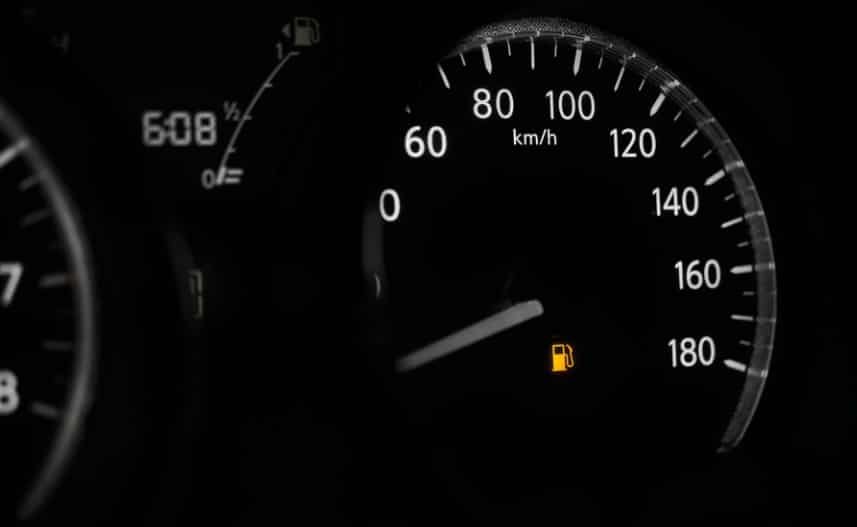
A fuel gauge may seem like a simple dashboard feature, but it plays a critical role in every journey. When the Nissan Juke fuel gauge not working issue appears, drivers lose one of the most important pieces of information needed to travel safely and confidently. An inaccurate fuel reading can cause unnecessary stress, unexpected breakdowns, and even damage to the fuel system if the vehicle repeatedly runs out of fuel.
Many Nissan Juke owners first notice the problem when the gauge remains stuck on empty after filling the tank or refuses to move away from full despite driving for several miles. In some cases, the fuel level changes randomly, while the distance to empty calculation becomes unreliable. These symptoms often point to a fault somewhere between the fuel tank and the instrument cluster, although identifying the exact cause requires a systematic inspection.
Fortunately, not every faulty fuel gauge means an expensive repair. A blown fuse, a loose electrical connector, or a temporary communication error can produce symptoms that closely resemble a failed fuel level sensor. Understanding how the entire fuel gauge system works makes it much easier to separate minor issues from component failures that require replacement.
This guide explains everything you need to know about the Nissan Juke fuel gauge not working problem. You will learn how the fuel gauge system operates, recognize the most common warning signs, identify the underlying causes, and perform practical diagnostic steps before spending money on unnecessary repairs. You will also discover typical repair costs, simple maintenance tips, and the best ways to prevent the same issue from returning in the future.
Whether your fuel gauge is stuck, fluctuating unexpectedly, or displaying inaccurate readings, this comprehensive guide will help you understand the problem and choose the most effective solution with confidence.
How the Nissan Juke Fuel Gauge System Works
The fuel gauge system in the Nissan Juke is designed to provide a real time estimate of the fuel remaining in the tank, helping drivers monitor fuel consumption and avoid unexpected breakdowns. Although the gauge appears to be a simple dashboard display, it depends on several interconnected components working together to produce an accurate reading. When any part of this system fails, the Nissan Juke fuel gauge not working issue can occur, causing the gauge to display incorrect information, remain stuck at one level, or stop responding completely.
The process begins inside the fuel tank, where a fuel level sensor measures the amount of fuel available. This sensor uses a float that rises and falls with the fuel level. As the float moves, it changes the electrical resistance within the fuel sending unit, creating a signal that represents the current fuel level. The signal then travels through the vehicle’s wiring harness to the electronic control system before reaching the instrument cluster. Finally, the dashboard converts this information into the fuel gauge reading that the driver sees while driving.
Because the entire system relies on both mechanical movement and electrical communication, even a minor fault can affect its accuracy. A worn fuel level sensor, a damaged fuel sending unit, corroded wiring, loose electrical connectors, or an instrument cluster malfunction can all interrupt the signal before it reaches the dashboard. In some situations, communication errors between electronic control modules may also prevent the gauge from updating correctly. Understanding how these components work together makes diagnosing the problem much easier and helps avoid replacing expensive parts before identifying the true source of the fault.
Common Symptoms of a Nissan Juke Fuel Gauge Problem
The Nissan Juke fuel gauge not working issue can appear in several different ways. The symptoms often depend on which component has failed. Some problems develop gradually, while others happen without warning. They may appear after refueling, replacing the battery, or performing electrical repairs. Recognizing these warning signs early can save time and reduce repair costs.
One of the most common symptoms is a fuel gauge that stays on empty after the fuel tank has been filled. Some drivers experience the opposite problem. The gauge remains on full even after many miles of driving. In other cases, the needle moves up and down without any change in the actual fuel level. These irregular readings make it difficult to estimate the remaining driving range.
Another common sign is a low fuel warning light that stays on when the tank still contains plenty of fuel. The distance to empty display may also become inaccurate or stop updating completely. These symptoms usually indicate that the fuel gauge system is no longer receiving reliable information. A faulty fuel level sensor, a worn fuel sending unit, damaged wiring, or a loose electrical connector can all interrupt the signal before it reaches the dashboard.
As the fault becomes more serious, the fuel gauge may stop working altogether. The needle may freeze in one position or fail to move after refueling. Many drivers begin using the trip odometer to estimate when to refill the tank. Although this method works temporarily, it increases the risk of running out of fuel unexpectedly. Identifying the exact symptom makes diagnosis much easier and helps determine which component should be inspected first.
Main Causes of Nissan Juke Fuel Gauge Not Working
Several issues can cause the Nissan Juke fuel gauge not working problem, and identifying the correct one is essential before replacing any parts. Although the fuel gauge appears to be a simple dashboard feature, it depends on multiple mechanical and electrical components working together. A failure in any part of this system can interrupt the fuel level signal and lead to inaccurate readings. In many cases, different faults produce similar symptoms, making a systematic diagnosis far more effective than relying on guesswork.
The most common cause is a faulty fuel level sensor or a worn fuel sending unit inside the fuel tank. These components measure the amount of fuel by using a float that moves with the fuel level. As the vehicle ages, the internal resistor and moving parts can wear out, causing the sensor to send incorrect information to the dashboard. This often results in a fuel gauge that remains stuck on empty, stays on full, or changes unpredictably while driving. Since the sending unit is integrated into the fuel pump assembly on many Nissan Juke models, replacing the complete assembly may sometimes be the most practical solution.
Electrical problems are another frequent cause of inaccurate fuel gauge readings. Damaged wiring, loose connectors, or corroded terminals can interrupt communication between the fuel tank and the instrument cluster. A blown fuse or an internal fault within the instrument cluster may produce similar symptoms because the dashboard can no longer display the correct fuel level. In newer Nissan Juke models, software or communication errors between electronic control modules can also affect fuel gauge operation. Understanding these potential causes allows you to inspect the system logically, reduce unnecessary repair costs, and identify the component that actually requires attention before beginning any repairs.
How to Diagnose a Nissan Juke Fuel Gauge Not Working
Diagnosing the Nissan Juke fuel gauge not working problem requires a logical approach. Several components can cause similar symptoms. Replacing parts without testing the system often wastes both time and money. A proper inspection helps identify the real cause before any repairs begin.
Start by checking how the fuel gauge responds after refueling. The needle should move within a short time after the tank is filled. If it stays on empty or does not move at all, the fuel level sensor or the fuel sending unit may be faulty. Next, inspect the dashboard for warning lights. You should also check the fuse box for any blown fuses. A damaged fuse can interrupt power to the fuel gauge system and create inaccurate readings.
The next step is to connect an OBD II scanner. This tool can detect communication faults and sensor related issues. Some fuel gauge problems do not generate trouble codes. However, live data can still reveal abnormal fuel level readings. If the scan does not identify the fault, inspect the wiring harness and electrical connectors near the fuel tank. Look for corrosion, damaged insulation, or loose connections. These problems often interrupt the signal between the fuel tank and the instrument cluster.
Finally, test the resistance of the fuel sending unit with a multimeter if you have access to the component. Compare the readings with the manufacturer’s specifications. If the sensor, wiring, and fuses are all working correctly, the instrument cluster or an electronic control module may be responsible. Following this step by step process makes diagnosis faster and helps prevent unnecessary replacement of expensive parts.
Easy Fixes Before Replacing Parts
Before replacing expensive components, try a few simple checks. Many Nissan Juke fuel gauge not working cases are caused by minor electrical issues rather than failed parts. A quick inspection can save both time and money. It can also prevent replacing components that are still working properly.
Start by turning off the engine and restarting the vehicle after refueling. Sometimes the fuel gauge updates only after the ignition cycle is completed. You should also reset the trip meter and compare the distance traveled with the expected fuel consumption. This method will not repair the gauge, but it helps estimate the remaining fuel until the fault is fixed. If the problem started after a battery replacement, disconnect the battery for a few minutes before reconnecting it. This may reset the vehicle’s electronic system and restore normal gauge operation.
Next, inspect the fuse box and replace any blown fuse with one that has the correct rating. After that, check the electrical connectors near the fuel tank. Dirt, moisture, or corrosion can interrupt the signal from the fuel level sensor. Cleaning the connectors and securing loose wiring may restore accurate fuel readings. It is also a good idea to connect an OBD II scanner and review the live fuel level data. If the scanner displays accurate information while the dashboard gauge remains incorrect, the problem is more likely related to the instrument cluster than the fuel tank. These simple checks often identify the source of the fault and should always be completed before replacing the fuel sending unit or the fuel pump assembly.
When You Need Professional Repair
Some fuel gauge problems cannot be solved with basic troubleshooting. If the Nissan Juke fuel gauge not working issue continues after checking the fuses, wiring, and electrical connections, you should seek professional help. Modern fuel systems combine mechanical and electronic components. Technicians use specialized tools to identify the exact source of the fault. They can also perform tests that are difficult to complete at home.
A technician will usually inspect the fuel pump assembly first. They will examine the fuel level sensor and the fuel sending unit for signs of wear or damage. Accessing these components requires careful work around the fuel tank. A damaged float or worn sensor can prevent accurate fuel readings. In many Nissan Juke models, the sending unit is part of the fuel pump assembly. For that reason, technicians often replace the complete assembly instead of a single component.
If the fuel tank components work correctly, the technician will continue with electrical testing. They will inspect the wiring harness and check every connector for corrosion or damage. They will also test circuit continuity and examine the instrument cluster. In some cases, the vehicle may need a software update or electronic module calibration. These procedures restore proper communication between the fuel system and the dashboard. A professional diagnosis helps identify the real problem. It also reduces unnecessary repairs and prevents spending money on parts that do not need replacement.
Nissan Juke Fuel Gauge Repair Cost
The cost to fix the Nissan Juke fuel gauge not working problem depends on the faulty component and the amount of labor required. Some repairs are simple and inexpensive. Others require removing the fuel pump assembly or diagnosing electrical systems. Identifying the exact cause before replacing parts helps reduce unnecessary expenses. A professional inspection can also prevent repeat repairs.
The lowest repair cost usually involves replacing a blown fuse or cleaning a loose electrical connector. These repairs require little time and only a few inexpensive parts. Repairing damaged wiring may cost more because technicians must locate the fault before replacing the affected section. Electrical problems often take longer to diagnose than mechanical failures, which can increase labor charges.
Replacing the fuel level sensor or the fuel sending unit is generally more expensive. In many Nissan Juke models, the sending unit is integrated into the fuel pump assembly. As a result, technicians may recommend replacing the complete assembly instead of a single component. This repair increases both parts and labor costs because the fuel tank often needs to be accessed. If the instrument cluster is faulty, repair costs may increase further due to electronic testing or module replacement.
Labor rates also vary by location and repair shop. Independent garages often charge less than authorized dealerships, although both should follow the manufacturer’s repair procedures. Requesting a full diagnosis before approving repairs is always a smart decision. It helps confirm the source of the problem and ensures you only pay for the parts and labor that your vehicle actually needs.
Can You Drive With a Broken Fuel Gauge?
You can drive with a faulty fuel gauge, but it is not a good long term solution. The Nissan Juke fuel gauge not working problem makes it difficult to know how much fuel remains in the tank. Without accurate information, you increase the risk of running out of fuel at an unexpected time. This situation can leave you stranded and create unnecessary stress during everyday driving.
Many drivers rely on the trip odometer when the fuel gauge stops working. After filling the tank, they record the mileage and estimate the remaining fuel based on average fuel consumption. Although this method can help for a short period, it is never as reliable as a properly functioning fuel gauge. Changes in traffic, driving style, weather, and road conditions can all affect fuel economy. These factors make it difficult to calculate the remaining driving range with complete accuracy.
Driving until the fuel tank is nearly empty can also create additional problems. The fuel pump depends on gasoline for cooling and lubrication. When the fuel level remains too low, the pump may overheat and wear out more quickly. Dirt and debris at the bottom of the fuel tank can also enter the fuel system more easily, increasing the risk of future repairs. For these reasons, you should diagnose and repair the fuel gauge as soon as possible. Fixing the problem early improves driving safety, protects the fuel system, and gives you confidence that the fuel level shown on the dashboard is accurate.
How to Prevent Future Fuel Gauge Problems
Preventive maintenance is the best way to reduce the risk of the Nissan Juke fuel gauge not working problem. Although some components wear out with age, good maintenance habits can extend their service life. Regular inspections also help detect small issues before they become expensive repairs. Taking a few simple precautions can keep the fuel gauge system working accurately for many years.
Avoid driving with a nearly empty fuel tank whenever possible. A low fuel level forces the fuel pump to work harder and increases heat inside the assembly. Keeping enough fuel in the tank also reduces the chance of drawing dirt or debris into the fuel system. Using high quality fuel from trusted stations helps minimize contamination that may affect the fuel level sensor over time.
Inspect the vehicle’s electrical system during routine maintenance. Check the wiring and connectors for signs of corrosion, moisture, or physical damage. Clean dirty terminals and secure any loose connections before they cause communication problems. If you notice warning lights or unusual dashboard behavior, schedule an inspection as soon as possible. Small electrical faults often become larger problems when left untreated.
Regular servicing also plays an important role in protecting the fuel gauge system. Ask your technician to inspect the fuel pump assembly and related electrical components during scheduled maintenance. Replacing worn parts before they fail completely can prevent unexpected breakdowns and reduce repair costs. By following these simple maintenance practices, you can improve the reliability of the fuel gauge, protect the fuel system, and lower the chance of facing the Nissan Juke fuel gauge not working issue again.
Frequently Asked Questions
Why is my Nissan Juke fuel gauge stuck on empty?
A fuel gauge that stays on empty usually indicates a faulty fuel level sensor, a worn fuel sending unit, or damaged wiring. A blown fuse or an instrument cluster problem can also prevent the gauge from displaying the correct fuel level. Inspecting the electrical system first can help identify the cause before replacing any parts.
Why does my Nissan Juke fuel gauge stay on full?
A fuel gauge that remains on full often points to a failed fuel sending unit or a stuck float inside the fuel tank. Damaged wiring may also send an incorrect signal to the instrument cluster. A proper inspection helps determine whether the fault is mechanical or electrical.
Can a weak battery affect the fuel gauge?
Yes. A weak battery or unstable voltage can interfere with the vehicle’s electronic systems. In some cases, the fuel gauge may display incorrect readings after a battery replacement or when the battery voltage drops too low. Checking the battery and charging system is a simple step that can rule out electrical issues.
Is the fuel level sensor part of the fuel pump?
In many Nissan Juke models, the fuel level sensor is integrated into the fuel pump assembly. Some versions allow the sensor to be replaced separately, while others require replacement of the complete assembly. The repair method depends on the model year and engine configuration.
How do I reset the Nissan Juke fuel gauge?
There is no universal reset procedure for every Nissan Juke model. Start by turning the ignition off and restarting the vehicle after refueling. If the problem began after a battery replacement, disconnecting the battery for a few minutes may help reset the electronic system. If the gauge still fails to respond, further diagnosis is necessary.
How much does it cost to fix a Nissan Juke fuel gauge?
Repair costs vary depending on the faulty component. Replacing a fuse or repairing a loose connection is usually inexpensive. Replacing the fuel sending unit, fuel pump assembly, or instrument cluster costs more because these repairs require additional parts and labor. A professional diagnosis helps avoid unnecessary expenses.
Can I replace the fuel sending unit myself?
You can replace the fuel sending unit if you have the proper tools and mechanical experience. However, the repair requires access to the fuel tank and careful handling of the fuel system. Most owners choose a professional repair because it is safer and reduces the risk of damaging other components.
Conclusion
The Nissan Juke fuel gauge not working problem can result from several different causes, but most issues are linked to the fuel level sensor, the fuel sending unit, damaged wiring, or the instrument cluster. Although these faults often produce similar symptoms, a step by step inspection makes it much easier to identify the real source of the problem. Starting with simple checks such as inspecting the fuses, wiring, and electrical connectors can save both time and money before replacing expensive components.
If the basic inspection does not solve the issue, testing the fuel sending unit, the fuel pump assembly, and the instrument cluster should be the next priority. A professional diagnosis is often the best option when electrical faults or communication errors are involved. Identifying the correct fault early helps prevent unnecessary repairs and ensures every replacement part addresses the actual problem.
Regular maintenance also plays an important role in preventing future fuel gauge issues. Keeping enough fuel in the tank, inspecting electrical connections, and servicing the fuel system at the recommended intervals can improve reliability and extend the life of key components. By understanding how the fuel gauge system works and following a logical diagnostic process, you can restore accurate fuel level readings, avoid unexpected breakdowns, and keep your Nissan Juke operating safely and efficiently for years to come.