
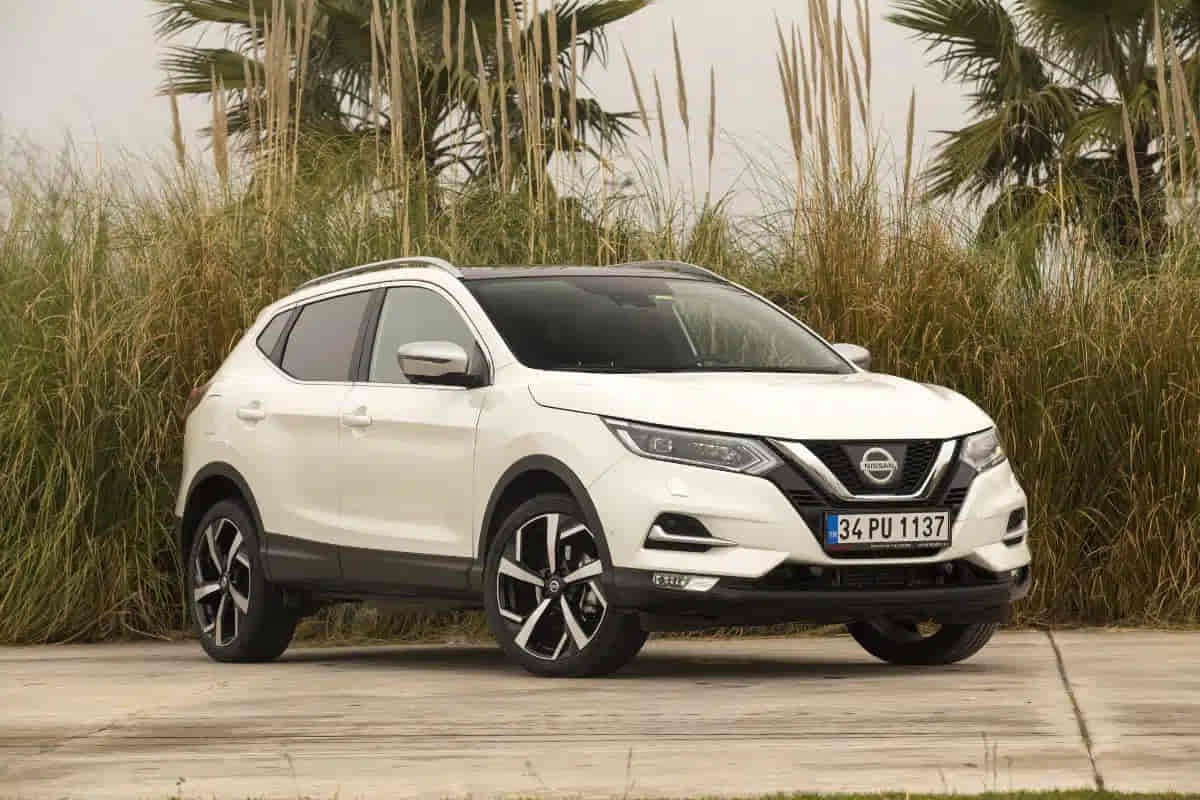
A Nissan Dualis that refuses to start can be caused by a wide range of issues, from a weak battery to a malfunctioning fuel system or electronic control module. Although the symptom appears simple, the starting process depends on multiple systems working together correctly. A failure in any one of these systems can prevent the engine from starting.
Some Nissan Dualis owners experience a situation where nothing happens when the Start button is pressed. Others hear a clicking sound, while some vehicles crank normally but fail to start. These symptoms provide important clues about the underlying cause and can significantly narrow the diagnostic process.
The Nissan Dualis starting system relies on electrical power, fuel delivery, ignition components, engine sensors, security systems, and computer-controlled modules. If communication between these components is interrupted, the engine may fail to start even though other vehicle functions appear normal.
Fortunately, many starting problems originate from common faults that can be identified relatively quickly. Understanding the root cause helps avoid unnecessary repairs and reduces diagnostic costs.
This guide explains the 10 most common reasons a Nissan Dualis is not starting and the solutions that restore normal operation.
What Are the Signs That Nissan Dualis Is Not Starting?
The symptoms associated with a no-start condition vary depending on which component has failed. Understanding how the vehicle behaves during startup is one of the most effective ways to narrow the diagnosis.
Some vehicles produce no response when the ignition system is activated. The dashboard may illuminate normally, but the engine does not crank. This often points toward battery, starter, security system, or electrical faults.
Other vehicles crank normally but never fire. In these situations, the starter motor rotates the engine, but fuel delivery, ignition, or sensor-related problems prevent combustion.
A single clicking sound is another common symptom. This often indicates insufficient battery power or a starter circuit issue. Rapid clicking noises typically suggest severe voltage loss.
Warning messages such as “Key System Error,” immobilizer alerts, or check engine lights may also appear and provide additional diagnostic clues.
Identifying the exact startup behavior is critical because different symptoms often indicate different underlying failures.
Why Is the Car Battery Dead or Weak?
A weak or discharged battery is the most common reason a Nissan Dualis fails to start. The battery supplies the electrical power required to operate the starter motor, engine control modules, fuel system electronics, and ignition components.
As battery voltage declines, the vehicle may struggle to provide enough power for startup. Early symptoms often include slow cranking, dim dashboard lights, and intermittent starting issues. Eventually, the battery may no longer provide sufficient current to turn the engine over.
Extreme temperatures can accelerate battery deterioration. Cold weather reduces battery performance significantly, while excessive heat shortens battery lifespan by increasing internal degradation.
Battery terminals can contribute to the problem as well. Corrosion and loose connections increase electrical resistance and restrict current flow to critical starting components.
Because battery-related issues account for a large percentage of no-start conditions, testing battery voltage should always be one of the first diagnostic steps.
Why Is the Starter Motor Failing?
The starter motor is responsible for physically rotating the engine during startup. If the starter fails, the engine cannot begin the combustion process regardless of battery condition or fuel availability.
Starter motors experience significant mechanical and electrical stress throughout their lifespan. Internal brushes, solenoids, bearings, and electrical windings gradually wear with repeated use.
A failing starter often produces clicking sounds when the ignition is activated. In some cases, the starter engages intermittently before eventually failing completely. Drivers may notice that multiple attempts are required before the engine starts.
Heat exposure can accelerate starter wear. Components located near the engine are subjected to constant temperature fluctuations that affect long-term reliability.
When the starter motor can no longer generate sufficient torque, the engine remains stationary despite the presence of adequate battery power.
Why Is the Starter Relay Defective?
The starter relay acts as an electrical switch that connects battery power to the starter motor. If the relay fails, the starter may never receive the signal required to engage.
A defective relay can create symptoms nearly identical to starter motor failure. Drivers may hear a single click or experience a complete lack of response when attempting to start the vehicle.
Electrical contacts inside the relay can wear over time. Repeated activation cycles gradually degrade contact surfaces and reduce current-carrying capability.
Moisture intrusion, heat exposure, and electrical surges can also damage relay components. In some situations, relay failure occurs intermittently, making diagnosis more difficult.
Because starter relays are relatively inexpensive and easy to test, they are often inspected early in the troubleshooting process.
Why Is the Intelligent Key Not Being Recognized?
The Nissan Dualis uses an Intelligent Key system that communicates with the vehicle’s immobilizer and push-button start systems. If the key is not detected, engine startup may be blocked entirely.
A weak key fob battery is one of the most common causes. As signal strength declines, communication between the key and vehicle becomes unreliable. Drivers may encounter messages such as “No Key Detected” or “Key System Error.”
Programming issues can create similar symptoms. If synchronization between the key and immobilizer system is lost, the vehicle may reject an otherwise functional key.
Radio frequency interference occasionally disrupts communication as well. Strong electronic signals from nearby devices can interfere with key detection under certain conditions.
Because the security system is designed to prevent unauthorized operation, even minor communication failures can stop the engine from starting.
Why Is the Fuel Pump Not Delivering Fuel?
The fuel pump is responsible for moving fuel from the tank to the engine. Without adequate fuel pressure, combustion cannot occur and the engine will crank without starting.
Fuel pumps naturally wear over time. Internal electric motors, pressure regulators, and pump components gradually deteriorate, reducing fuel delivery performance.
Early warning signs often include hard starting, hesitation, loss of power, and occasional stalling. As deterioration progresses, the pump may fail completely.
Electrical faults can also affect pump operation. Blown fuses, damaged wiring, and relay failures may prevent the pump from receiving power.
Because fuel delivery is essential for engine operation, a failed fuel pump is one of the most common causes of a crank-but-no-start condition.
Why Are the Spark Plugs or Ignition Coils Faulty?
The ignition system plays a critical role in engine startup because it generates the spark required to ignite the air-fuel mixture inside the cylinders. If the spark plugs or ignition coils fail, the Nissan Dualis may crank normally but never start.
Spark plugs gradually wear as electrodes erode over thousands of combustion cycles. As the gap increases, generating a strong spark becomes more difficult. Eventually, ignition performance deteriorates to the point where combustion cannot occur reliably.
Ignition coils can also fail due to heat exposure, internal insulation breakdown, or electrical overload. When a coil stops functioning, one or more cylinders may lose spark entirely.
Early symptoms often include rough idling, engine misfires, hesitation during acceleration, reduced fuel economy, and intermittent starting problems. As deterioration progresses, the engine may refuse to start altogether.
Because both spark plugs and ignition coils directly influence combustion, ignition-related failures are among the most common causes of a crank-but-no-start condition.
Why Is the Crankshaft Position Sensor Failing?
The crankshaft position sensor is one of the most important engine management sensors because it tells the Engine Control Module exactly where the crankshaft is positioned during rotation.
The ECM uses this information to control ignition timing, fuel injection timing, and engine synchronization. Without accurate crankshaft data, the computer cannot determine when to deliver fuel or generate spark.
When the sensor begins failing, the vehicle may experience intermittent starting issues, sudden stalling, rough operation, and extended cranking times. In severe cases, the engine will crank normally but never start.
Heat-related failures are particularly common. Some sensors operate normally when cold but stop functioning as temperature increases. This often creates difficult-to-diagnose intermittent no-start conditions.
Because the crankshaft position sensor directly controls engine synchronization, a complete failure can prevent startup entirely even when fuel and ignition components are functioning properly.
Why Is the Camshaft Position Sensor Defective?
The camshaft position sensor works alongside the crankshaft position sensor to help the Engine Control Module manage fuel injection and ignition timing.
Modern Nissan Dualis engines depend on precise synchronization between the crankshaft and camshaft. The ECM uses data from both sensors to determine which cylinder is ready for combustion and when fuel should be injected.
When the camshaft position sensor fails, engine timing calculations may become inaccurate. This can result in hard starting, extended cranking, poor performance, and no-start conditions.
Intermittent failures are common. Drivers may experience occasional starting problems before complete sensor failure occurs. Warning lights and diagnostic trouble codes often accompany sensor-related issues.
Because the engine management system depends on accurate camshaft information, a defective sensor can prevent proper startup even when all other systems appear functional.
Why Is the Immobilizer System Blocking Startup?
The immobilizer system is a security feature designed to prevent unauthorized vehicle operation. If the system cannot verify the presence of an authorized Intelligent Key, engine startup may be blocked intentionally.
Every Intelligent Key contains a unique identification code that must match data stored within the vehicle’s security system. During startup, the immobilizer verifies this information before allowing the engine to run.
Communication problems between the key, immobilizer module, and Body Control Module can trigger security-related no-start conditions. The engine may crank briefly or fail to crank entirely depending on the specific fault.
Programming issues can create similar symptoms. If the key loses synchronization with the vehicle, the immobilizer may reject the key despite its physical presence.
Drivers often encounter warning messages such as “Key System Error,” “Incorrect Key ID,” or flashing security indicators when immobilizer-related issues occur.
Because immobilizer systems are intentionally designed to disable unauthorized startup, even minor communication faults can prevent the engine from running.
Why Is the Engine Control Module Experiencing Problems?
The Engine Control Module acts as the central computer responsible for managing nearly every aspect of engine operation. If the ECM develops faults, startup may become impossible.
The ECM coordinates fuel injection, ignition timing, sensor monitoring, throttle control, and communication with other vehicle modules. Successful engine startup depends on proper ECM operation.
Electrical surges, water intrusion, software corruption, damaged wiring, and internal component failures can affect ECM performance. When this occurs, the computer may lose the ability to process sensor data or control critical engine functions.
ECM-related problems often produce multiple symptoms simultaneously. Drivers may experience no-start conditions, warning lights, communication errors, transmission issues, and abnormal engine behavior.
Although ECM failures are less common than battery or sensor problems, they remain a possibility when more common causes have been eliminated.
Professional diagnostics are typically required because advanced scan tools are necessary to evaluate module communication and system performance accurately.
What Should You Do If Nissan Dualis Still Will Not Start?
If the Nissan Dualis remains unable to start after basic troubleshooting, a structured diagnostic process becomes essential. Randomly replacing parts often increases repair costs without addressing the actual problem.
The first step is determining whether the engine cranks. A no-crank condition often points toward battery, starter, relay, key detection, or immobilizer issues. A crank-but-no-start condition typically indicates fuel, ignition, sensor, or ECM-related problems.
Battery voltage should always be tested first. Many starting problems originate from low voltage even when dashboard lights appear normal.
Checking for warning messages and diagnostic trouble codes can provide valuable information. Modern Nissan vehicles continuously monitor system performance and often store fault codes before complete failure occurs.
Fuel pressure testing, ignition system evaluation, sensor diagnostics, and module communication analysis may be required if basic inspections do not reveal the source of the problem.
Following a logical diagnostic process helps identify the root cause efficiently and prevents unnecessary component replacement.
Which Nissan Dualis Model Years Commonly Experience Starting Problems?
Starting problems can affect any Nissan Dualis model year because engine startup depends on multiple mechanical, electrical, and electronic systems. However, the most common causes often vary based on vehicle age and mileage.
Older Nissan Dualis models frequently experience issues related to battery deterioration, starter wear, fuel pump aging, ignition component degradation, and sensor failures. These components naturally wear over time and become more susceptible to failure as mileage increases.
Vehicles with high mileage are particularly prone to crankshaft sensor failures, fuel delivery issues, and starter motor problems because these components endure significant operating stress throughout the vehicle’s life.
Newer models generally experience fewer mechanical failures but may encounter software-related issues involving Intelligent Key systems, immobilizer communication, and electronic control modules.
Maintenance history often influences reliability more than model year itself. Vehicles that receive regular servicing typically experience fewer unexpected starting issues.
How Can You Prevent Future Nissan Dualis Starting Issues?
Preventing starting problems requires maintaining the components most critical to the startup process. Because many no-start conditions develop gradually, routine maintenance often identifies issues before complete failure occurs.
Regular battery testing is one of the most effective preventative measures. Replacing aging batteries before they fail helps avoid unexpected starting problems and reduces stress on electrical components.
Inspecting battery terminals and electrical connections also improves reliability. Clean, secure connections ensure adequate current reaches the starter motor and control modules.
Routine replacement of spark plugs according to manufacturer recommendations helps maintain consistent ignition performance and reduces the risk of hard-start conditions.
Monitoring fuel system performance can provide early warning of developing pump issues. Symptoms such as hesitation, loss of power, and extended cranking should be investigated promptly.
Keeping Intelligent Key batteries fresh and maintaining current software updates further improves starting system reliability.
Consistent preventative maintenance significantly reduces the likelihood of unexpected no-start situations.
Read more: Nissan Display Not Working
Conclusion
A Nissan Dualis that is not starting may be affected by a weak battery, failing starter motor, defective starter relay, Intelligent Key issues, fuel pump failure, ignition system problems, sensor malfunctions, immobilizer faults, or ECM-related issues. Although a no-start condition can appear serious, many causes can be diagnosed and repaired without extensive engine work.
The most important step is identifying how the vehicle behaves during startup. No-crank conditions often indicate electrical or security-related faults, while crank-but-no-start situations typically involve fuel, ignition, or engine management systems.
Most starting problems can be corrected through battery maintenance, sensor replacement, ignition repairs, fuel system diagnostics, and proper electronic troubleshooting. Major engine failures are far less common than electrical and sensor-related causes.
By maintaining key starting system components and addressing warning signs early, Nissan Dualis owners can improve reliability and reduce the risk of unexpected breakdowns.