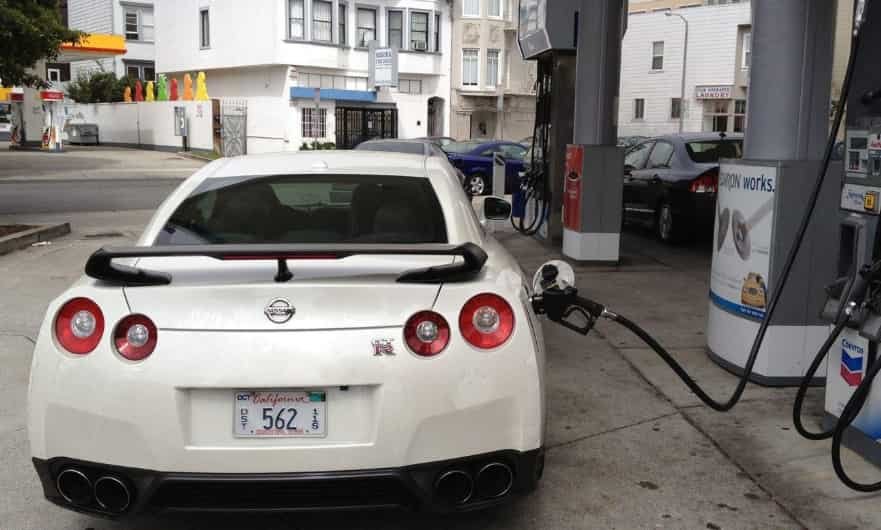
The Nissan GT R stands out as one of the most respected performance cars in the world. Its twin turbocharged VR38DETT engine delivers incredible power and quick acceleration. However, the engine can only perform as intended when you use the correct fuel.
So, what kind of fuel does a Nissan GT R use? The answer is premium unleaded gasoline. Most Nissan GT R models in North America perform best with 93 AKI fuel. If you cannot find 93 AKI, some Nissan owner manuals allow you to use 91 AKI. Even then, premium fuel remains the best choice for maximum performance.
Many drivers ask whether regular gasoline can save money. Although regular fuel costs less, it does not meet the needs of the GT R engine. The engine relies on high octane fuel to support higher boost pressure and precise ignition timing. Lower octane fuel can reduce power and make the car feel less responsive during acceleration.
Fuel quality also affects the driving experience. Premium gasoline helps the engine deliver smooth power under heavy loads. It also gives the engine management system the fuel quality it expects. As a result, the GT R can maintain stronger performance during spirited driving.
This guide explains everything you need to know about Nissan GT R fuel requirements. You will learn the recommended octane rating, the difference between AKI and RON, and the risks of using regular gasoline. You will also discover practical tips that help protect your engine and keep your GT R performing at its best.
What Kind Of Fuel Does a Nissan GT R Use?
The Nissan GT R uses premium unleaded gasoline designed for high performance engines. Nissan built the R35 GT R with a powerful twin turbocharged V6 engine that requires quality fuel to deliver consistent power. Unlike standard vehicles, the GT R depends on higher octane gasoline to support its advanced engine technology.
For most Nissan GT R models in North America, Nissan recommends premium fuel with a minimum rating of 93 AKI. This fuel grade helps the VR38DETT engine maintain proper combustion control during demanding driving conditions. It allows the engine to handle high boost pressure while reducing the risk of unwanted combustion problems.
Drivers who cannot find 93 AKI fuel may use 91 AKI gasoline in some markets. However, 91 AKI does not provide the same performance level as the recommended fuel. The engine control system may adjust ignition timing to protect the engine. As a result, the vehicle may produce less power and deliver a different driving feel.
Regular gasoline with a lower octane rating does not match the requirements of the Nissan GT R. The engine uses advanced turbocharging technology and precise calibration to create its impressive performance. Lower octane fuel can affect how the engine manages pressure and temperature, especially during aggressive acceleration.
Nissan GT R Fuel Requirements At A Glance
| Fuel Requirement | Recommendation |
|---|---|
| Fuel type | Premium unleaded gasoline |
| Preferred fuel rating | 93 AKI in North America |
| Alternative fuel rating | 91 AKI when 93 AKI is unavailable |
| Regular gasoline | Not recommended |
| Best fuel choice | High quality premium gasoline from a trusted fuel station |
The most important point is simple. A Nissan GT R needs premium gasoline because the engine design depends on it. Using the recommended fuel helps maintain performance, protects engine operation, and allows the car to deliver the driving experience that made the GT R famous.
Why Does the Nissan GT R Require Premium Gas?
The Nissan GT R requires premium gasoline because its engine works under extreme conditions. Nissan designed the VR38DETT twin turbocharged V6 engine to produce strong power and quick response. This level of performance creates high pressure and high temperatures inside the combustion chamber. Therefore, the engine needs fuel that can handle these demanding conditions.
Premium gasoline has a higher octane rating than regular fuel. Octane measures how well gasoline resists uncontrolled combustion. When fuel ignites too early inside the engine, it can create a problem called engine knock. This condition can reduce performance and place extra stress on important engine components.
The GT R uses advanced technology to manage power delivery. Its turbochargers force more air into the engine, which allows it to produce more horsepower. However, more air and higher boost pressure also increase the chance of abnormal combustion. High octane fuel helps the engine maintain the correct combustion process.
Premium fuel also allows the engine control system to operate closer to the factory settings. The ECU monitors many factors, including engine temperature, air pressure, and fuel quality. When the system detects lower octane fuel, it may adjust ignition timing to protect the engine. These changes can reduce performance during acceleration.
Many owners believe premium gasoline creates extra horsepower. In reality, premium fuel does not add power by itself. Instead, it allows the Nissan GT R engine to use the performance settings that Nissan designed from the beginning. The correct fuel helps the vehicle deliver smooth acceleration, consistent power, and better response.
How Premium Gas Supports GT R Performance
Premium gasoline provides several benefits for a Nissan GT R owner. It helps the engine maintain stable combustion during high performance driving. It also supports reliable operation when the vehicle experiences heavy acceleration, high engine speed, and increased turbocharger activity.
For everyday driving, the difference between fuel grades may feel small. However, the difference becomes clearer when you push the car harder. During highway acceleration, track sessions, or spirited driving, the GT R needs the fuel quality that matches its engineering.
Choosing premium gasoline is also part of proper GT R ownership. The car represents advanced Japanese performance engineering, and the fuel choice plays an important role in maintaining that experience. Spending slightly more on premium fuel can help protect the engine and preserve the performance characteristics that make the Nissan GT R special.
What Octane Rating Does a Nissan GT R Need?
The Nissan GT R needs high octane premium gasoline to achieve its intended performance. The recommended octane rating depends on the market where the vehicle operates. In North America, most R35 GT R models require premium unleaded gasoline with a minimum rating of 93 AKI.
Octane rating shows how well fuel can resist engine knock during combustion. A higher octane rating allows the engine to handle greater pressure before the fuel ignites. This feature matters because the Nissan GT R uses a twin turbocharged engine that creates high cylinder pressure during acceleration.
Is 93 Octane The Best Fuel For A Nissan GT R?
For drivers in the United States and Canada, 93 AKI is the preferred fuel choice for the Nissan GT R. This rating gives the VR38DETT engine the fuel quality it needs to maintain strong performance. It helps the engine management system keep the correct ignition timing during demanding driving situations.
The difference between 91 and 93 octane may not feel obvious during normal city driving. However, the engine can benefit from higher octane fuel during hard acceleration, hot weather, and high load conditions. These situations create more pressure inside the engine, which increases the importance of fuel quality.
Can You Use 91 Octane In A Nissan GT R?
Some Nissan GT R owner manuals allow 91 AKI fuel when 93 AKI is unavailable. This option helps drivers continue using the vehicle in areas where higher octane fuel is difficult to find. However, 91 AKI may reduce the engine’s ability to deliver maximum performance.
The GT R engine uses sensors and an electronic control system to adjust operation based on fuel conditions. When the system detects lower octane fuel, it can modify ignition timing to reduce the chance of engine knock. This safety feature protects the engine, but it may also affect acceleration and overall responsiveness.
Understanding AKI And RON Fuel Ratings
Many GT R owners become confused because different countries use different octane measurement systems. The United States and Canada usually use AKI, while many other regions use RON.
AKI stands for Anti Knock Index. It represents the average value between two octane tests and appears on fuel pumps in North America. RON stands for Research Octane Number and is common in Europe, Asia, and other international markets.
The numbers between these systems do not match directly. For example, 93 AKI is approximately equal to 98 RON. Therefore, drivers should always check the fuel recommendation for their specific country and model year.
Nissan GT R Octane Rating Summary
| Fuel Rating | Suitability For Nissan GT R |
|---|---|
| 93 AKI | Recommended choice for maximum performance |
| 91 AKI | Acceptable in some situations when higher octane is unavailable |
| 98 RON | Common equivalent in many international markets |
| 87 AKI regular fuel | Not recommended |
Using the correct octane rating helps the Nissan GT R operate as Nissan intended. Premium gasoline does not simply improve performance numbers. It supports the engine’s ability to deliver smooth power, strong acceleration, and reliable operation over time.
What Should You Do If You Accidentally Put Regular Gas In A Nissan GT R?
Accidentally choosing regular gasoline at the fuel station can worry Nissan GT R owners. However, one mistake does not always mean immediate engine failure. The most important step is to reduce engine stress and avoid demanding driving until you can correct the fuel situation.
After adding regular gas, avoid hard acceleration, high engine speeds, and heavy turbo boost. These driving conditions create more pressure inside the VR38DETT engine. Lower octane fuel may not provide the protection needed during extreme performance situations.
If the fuel tank is not full, add premium gasoline as soon as possible. Mixing premium fuel with the existing gasoline can increase the overall octane level. This approach helps the engine return closer to its recommended fuel condition.
You should also pay attention to how the car behaves. Unusual engine sounds, reduced power, rough operation, or warning lights may indicate a problem. In these cases, contact a qualified Nissan technician for professional advice.
The best solution depends on how much regular gasoline you added and how you drive afterward. A short trip with gentle driving usually creates fewer concerns than aggressive driving with a full tank of low octane fuel.
A Nissan GT R represents advanced performance engineering. Using premium gasoline from a trusted fuel station remains the easiest way to protect the engine and maintain the driving experience that makes this car special.
Many Nissan GT R owners ask if regular gasoline can replace premium fuel. The short answer is no. The Nissan GT R requires premium unleaded gasoline because its high performance engine depends on proper octane levels.
The GT R uses the VR38DETT twin turbocharged V6 engine. This engine creates high pressure during combustion to produce impressive power and acceleration. Lower octane fuel can increase the risk of engine knock because it may ignite too early under these conditions.
Using regular gas once by mistake does not always cause immediate engine damage. The GT R has an advanced engine control system that can adjust ignition timing when fuel quality changes. However, the vehicle may reduce performance to protect the engine. Drivers may notice slower acceleration, weaker throttle response, or reduced power.
Regular gasoline becomes a bigger concern during aggressive driving. High boost pressure and hard acceleration place more stress on the engine. During these moments, the GT R needs premium fuel with strong knock resistance to maintain stable performance.
If you accidentally use regular gas, avoid high speed driving and heavy acceleration. Add premium gasoline as soon as possible to improve the fuel mixture. For serious cases, such as a full tank of incorrect fuel or unusual engine behavior, consult a qualified technician.
Choosing premium gasoline is a small investment compared with the cost of maintaining a Nissan GT R. The correct fuel helps protect the engine and allows the car to deliver the performance that Nissan designed.
Is 93 Octane Better Than 91 Octane For A Nissan GT R?
For most Nissan GT R owners, 93 octane fuel is the preferred choice when it is available. The higher octane rating gives the VR38DETT engine better protection against engine knock during demanding driving conditions. It also helps the engine maintain the performance settings that Nissan designed.
The main difference between 91 and 93 octane fuel is knock resistance. A higher octane rating allows the engine to handle greater pressure before unwanted combustion occurs. This advantage becomes more important when the twin turbochargers create high boost levels.
During normal daily driving, many drivers may not notice a major difference between 91 and 93 octane gasoline. The car can still operate smoothly with the lower rating when the owner manual allows it. However, the difference can become clearer during aggressive acceleration, track driving, or hot weather conditions.
The Nissan GT R engine uses sensors and an advanced ECU system to adjust performance based on fuel quality. When the system detects lower octane fuel, it can reduce ignition timing to help protect the engine. This adjustment may slightly reduce power and throttle response.
Choosing 93 octane fuel helps the GT R deliver a more consistent driving experience. While the price difference between fuel grades may seem small, premium fuel is a simple way to support engine performance and long term reliability.
For owners who want the best possible experience from their Nissan GT R, using the recommended premium gasoline remains the ideal choice.
Does Fuel Brand Matter For A Nissan GT R?
Many Nissan GT R owners focus on octane rating but forget another important factor: fuel quality. While the octane number plays the biggest role, the fuel brand and station reputation can also affect your ownership experience.
A Nissan GT R does not require a specific fuel company. Instead, it needs high quality premium gasoline that meets the recommended octane level. Choosing fuel from a trusted station helps reduce the chance of contaminated or poor quality gasoline entering the engine.
Reputable fuel brands often use advanced detergent packages in their gasoline. These additives help keep fuel injectors and important engine components cleaner. A clean fuel system supports consistent performance and smoother engine operation.
Fuel freshness also matters. Busy fuel stations usually sell gasoline faster, which means the fuel spends less time stored underground. Fresh fuel can provide better reliability, especially for high performance vehicles like the Nissan GT R.
However, paying more for a premium brand does not automatically create more horsepower. The most important factors remain the correct octane rating, proper fuel quality, and regular maintenance. A Nissan GT R will perform best when owners follow the manufacturer’s fuel recommendations.
For daily driving, choose a reliable fuel station that provides premium gasoline with the correct octane rating. This simple habit helps protect the VR38DETT engine and supports the long term performance of one of Nissan’s most famous sports cars.
Can A Nissan GT R Use Ethanol Blended Fuel?
Many Nissan GT R owners ask whether ethanol blended fuel, such as E85, is safe for their vehicle. The answer depends on the specific GT R model, fuel system setup, and engine calibration.
A standard Nissan GT R should follow the fuel recommendation listed in the owner manual. Most factory models require premium unleaded gasoline with the correct octane rating. Using fuel with a different ethanol content than recommended may affect engine operation and fuel system components.
E85 fuel contains a much higher percentage of ethanol than regular pump gasoline. Although ethanol can support higher performance levels, it also requires special fuel system components and engine tuning. A stock Nissan GT R cannot simply switch to E85 without proper modifications.
Modified GT R models may use ethanol based fuels for increased performance. Many high horsepower builds use E85 because it can provide strong knock resistance and support higher boost levels. However, these vehicles need the correct fuel injectors, fuel pumps, and ECU calibration.
Using the wrong ethanol blend can create problems such as poor engine performance, incorrect fuel mixture, and potential fuel system damage. Therefore, owners should never change fuel types without understanding the requirements of their vehicle.
For a factory Nissan GT R, premium gasoline remains the safest choice. If you own a modified GT R, always follow the recommendations from your tuner and use the exact fuel required by the engine calibration.
Nissan GT R Fuel Requirements By Model Year and Market
The Nissan GT R has used the same basic fuel philosophy throughout its R35 production years. Every factory GT R model requires premium unleaded gasoline to support its high performance twin turbocharged engine. However, the exact octane recommendation can vary depending on the model year and market.
In North America, most R35 GT R models recommend premium gasoline with a minimum rating of 93 AKI. This fuel grade helps the VR38DETT engine maintain strong performance and proper combustion control. Some owner manuals allow 91 AKI when higher octane fuel is unavailable.
Other regions use the RON measurement system instead of AKI. Countries in Europe, Asia, and Australia may recommend a different number because RON and AKI use different testing methods. For example, 93 AKI is approximately similar to 98 RON.
Owners should always check the fuel label inside the fuel door and review the official owner manual for their specific vehicle. Imported GT R models may have different requirements based on their original market.
Modified GT R vehicles require extra attention. Engine upgrades, turbocharger changes, and ECU tuning can change the fuel requirement completely. A tuned GT R may need higher octane gasoline or a specific ethanol blend to match its performance setup.
Regardless of the model year, using the correct premium fuel remains one of the simplest ways to protect the engine. Proper fuel selection helps the Nissan GT R deliver reliable performance and maintain the driving experience that makes it a legendary sports car.
Nissan GT R Fuel Tank Capacity and Driving Range
Understanding fuel capacity helps Nissan GT R owners plan longer journeys and manage ownership costs. The R35 GT R uses a fuel tank designed to balance performance needs with everyday usability. However, the car’s powerful twin turbocharged engine can consume fuel quickly when drivers use its full performance potential.
Most Nissan GT R R35 models have a fuel tank capacity of around 19 gallons, which is approximately 72 liters. The exact fuel economy depends on many factors, including driving style, traffic conditions, weather, and vehicle modifications.
During normal driving, a GT R can provide a reasonable driving range for a high performance sports car. However, aggressive acceleration, frequent turbo boost, and high speed driving can reduce fuel efficiency significantly. The engine uses more fuel when it produces maximum power.
City driving usually creates higher fuel consumption because the vehicle experiences frequent stops, acceleration, and idle time. Highway driving often provides better efficiency because the engine can operate at a more stable speed.
Many owners accept higher fuel costs because the Nissan GT R delivers a unique combination of speed, technology, and everyday usability. Fuel expenses are only one part of owning a high performance vehicle.
To maximize driving range, owners should maintain proper tire pressure, service the engine regularly, and avoid unnecessary aggressive driving. Using the recommended premium gasoline also helps the VR38DETT engine operate efficiently and consistently.
How To Get The Best Performance From Nissan GT R Fuel
Using the correct fuel is one of the easiest ways to maintain Nissan GT R performance. The VR38DETT twin turbocharged engine delivers exceptional power, but it needs the right fuel quality to operate at its full potential.
The first step is choosing premium gasoline with the recommended octane rating. High octane fuel helps the engine manage combustion pressure and supports consistent power delivery. It also allows the engine control system to maintain the settings that Nissan developed for the GT R.
Fuel quality matters as much as the octane number. Choose reliable fuel stations with fresh gasoline and good maintenance standards. High quality fuel can help keep the fuel system cleaner and support smooth engine operation.
Regular maintenance also plays an important role in fuel performance. Clean air filters, proper engine oil, healthy spark plugs, and scheduled inspections help the engine use fuel more efficiently. A well maintained GT R can deliver better response and stronger reliability.
Owners of modified GT R models should pay extra attention to fuel requirements. Performance upgrades often change the engine’s needs. A tuned vehicle may require higher octane fuel or a specific fuel blend to match the ECU calibration.
The Nissan GT R is a precision performance machine. Using the correct fuel and following proper maintenance habits help protect the engine, preserve performance, and maintain the exciting driving experience that makes the GT R legendary.
Common Nissan GT R Fuel Mistakes To Avoid
Owning a Nissan GT R requires attention to small details, and fuel choice is one of the most important. Many fuel related problems happen because drivers misunderstand octane ratings or ignore the recommendations for this high performance vehicle.
One common mistake is using regular gasoline to save money. The Nissan GT R engine needs premium fuel because its twin turbocharged design creates high combustion pressure. Lower octane fuel can reduce performance and increase the chance of engine knock during demanding driving.
Another mistake is confusing AKI and RON fuel ratings. Different countries use different measurement systems, so the numbers may look different at fuel stations. Owners should check the correct rating for their market instead of comparing numbers directly.
Some drivers also assume that expensive fuel always creates more power. Premium gasoline does not automatically increase horsepower. It simply provides the fuel quality that allows the GT R engine to operate as Nissan intended.
Using ethanol based fuel without proper modifications is another common error. E85 and other high ethanol blends require compatible fuel system components and correct ECU tuning. A stock GT R should follow the factory fuel recommendation.
Finally, many owners ignore fuel requirements after modifying their vehicle. Engine upgrades can change fuel needs, so tuned GT R models must use the fuel specified by the tuner.
Avoiding these mistakes helps protect the VR38DETT engine and ensures that the Nissan GT R continues to deliver its legendary performance.
Frequently Asked Questions About Nissan GT R Fuel Requirements
What kind of fuel does a Nissan GT R use?
The Nissan GT R uses premium unleaded gasoline. Most R35 GT R models in North America recommend 93 AKI fuel for the best performance. The exact requirement may vary depending on the country and model year.
Does a Nissan GT R require premium gas?
Yes. The Nissan GT R requires premium gasoline because its VR38DETT twin turbocharged engine depends on high octane fuel. Premium fuel helps the engine manage high combustion pressure and maintain strong performance.
Can a Nissan GT R run on 91 octane?
Some Nissan GT R owner manuals allow 91 AKI fuel when higher octane gasoline is unavailable. However, 93 AKI remains the preferred option for maximum performance and responsiveness.
Can a Nissan GT R use regular 87 octane gas?
Regular 87 octane gasoline is not recommended for the Nissan GT R. The lower octane level does not match the requirements of the high performance engine and may reduce power output.
Is 93 octane the same as 93 RON?
No. 93 AKI and 93 RON use different measurement systems. In many cases, 93 AKI is approximately equal to 98 RON. Drivers should always follow the fuel rating used in their region.
Can a Nissan GT R use E85 fuel?
A stock Nissan GT R should not use E85 without proper modifications and tuning. Modified GT R models may use ethanol fuel, but the engine setup must support that fuel type.
Does premium gas make a Nissan GT R faster?
Premium gasoline does not directly add horsepower. Instead, it allows the engine to operate with the fuel quality needed for the factory performance settings.
Does fuel brand matter for a Nissan GT R?
Fuel brand is less important than fuel quality and octane rating. Owners should choose reliable stations that provide premium gasoline with consistent quality.
How often should I fill up a Nissan GT R?
Fuel frequency depends on driving habits. Performance driving, frequent acceleration, and city traffic can increase fuel consumption. Normal driving conditions usually provide a longer range.
Conclusion
So, what kind of fuel does a Nissan GT R use? The answer is premium unleaded gasoline with the correct octane rating recommended for your specific market and model year. For most North American R35 GT R models, 93 AKI is the ideal choice because it supports the performance and reliability of the VR38DETT twin turbocharged engine.
Fuel selection plays an important role in protecting this high performance sports car. Premium gasoline helps the engine manage high combustion pressure, maintain smooth power delivery, and reduce the risk of engine knock. While lower octane fuel may work in certain situations, it may limit performance and prevent the GT R from operating at its full potential.
Choosing the right fuel is a simple habit that can make a significant difference over time. Owners should always follow Nissan’s fuel recommendations and consider additional requirements if the vehicle has aftermarket modifications or tuning.
The Nissan GT R represents advanced engineering, precision, and performance. Using quality premium gasoline allows this legendary car to deliver the acceleration, responsiveness, and driving excitement that owners expect.
Before your next visit to the fuel station, check your owner manual and confirm the correct fuel requirement for your GT R. The right fuel choice is one of the easiest ways to preserve the performance and character of this iconic Nissan sports car.